







From Possessions to Experiences
For previous generations, financial security was visibly measured in tangible assets. Today, for many young Indians, the definition of an asset is changing. It's less about what you own and more about what you have done. Research shows a significant majority
of millennials, around 78%, would rather spend money on a memorable experience than a physical item. This trend is accelerating in India, where spending on travel, hospitality, dining, and leisure is projected to grow faster than spending on goods through 2030. The new aspiration is a feed full of memories, not a garage full of things. Travel has become one of the largest discretionary expenses for this demographic, with some reports showing that millennials and Gen Z accounted for nine out of ten international trips from India in 2025.
The Social Media Influence
It's impossible to discuss this trend without acknowledging the role of social media. Platforms like Instagram have transformed personal experiences into public performances and social currency. The desire to curate an interesting and aspirational online persona is a powerful motivator, driving spending on photogenic vacations, exclusive events, and unique activities. This has created a feedback loop: aspirational content gets amplified, making luxury experiences feel normal and necessary. For many, the validation that comes from sharing a post about a concert or a trip is worth the high price tag, sometimes even leading to what is termed 'social media debt'. This pressure to participate is so strong that influencers, particularly micro-influencers who foster a sense of trust and authenticity, now significantly shape the purchase decisions of their followers.
Economic Headwinds and Tailwinds
This shift isn't happening in a vacuum. Rising disposable incomes and a growing economy have given many young Indians the financial freedom to make these choices. The proliferation of 'Buy Now, Pay Later' (BNPL) services and easy access to credit have made even high-cost experiences feel more attainable in the moment. At the same time, the COVID-19 pandemic acted as a massive catalyst. The lockdowns and the stark reminder of life's unpredictability fostered a 'You Only Live Once' (YOLO) mindset. This led to a surge in 'revenge spending'—a desire to make up for lost time by spending eagerly on travel, dining, and other activities that were previously restricted. This impulse saw private expenditure on restaurants and hotels soar dramatically.
What Are They Buying?
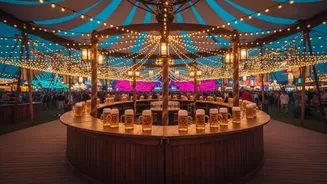
The 'new things' young Indians are spending on are diverse. It encompasses everything from international travel and luxury stays to live concerts and unique dining. There is a strong preference for personalised, immersive, and culturally rich experiences. This includes adventure travel, wellness retreats, and community-oriented activities like wine tastings or local workshops. The focus is on participation over passive observation. Interestingly, this doesn't mean a total disregard for finances. Many young consumers are now actively budgeting for these experiences, creating 'fun funds' alongside their traditional savings goals, indicating that experiences are now seen as an essential part of a balanced lifestyle.
A Nationwide Aspiration
This trend is not confined to the metros. While cities like Delhi, Mumbai, and Bengaluru are major hubs for this new consumer behaviour, the aspiration for experiences is spreading rapidly to Tier 2 and Tier 3 cities. The digital world has flattened access to information and trends, creating a more homogenous set of aspirations across the country. As financial independence grows among the youth in smaller cities, their influence on the consumer market is set to increase significantly. Brands are taking note, recognising that the demand for authentic, shareable, and memorable experiences is a defining characteristic of India's largest demographic group.