



The Ganguly-Chappell Saga
Perhaps the most damaging public fallout in Indian cricket history, the feud between captain Sourav Ganguly and coach Greg Chappell was a toxic saga of ambition and control. Hired in 2005 on Ganguly's recommendation, Chappell quickly sought to assert
his authority. During a tour of Zimbabwe, the Australian coach allegedly told Ganguly he should step down from the captaincy and that he wouldn't be picked in the team on form alone. The tension exploded into public view when a confidential email from Chappell to the Board of Control for Cricket in India (BCCI) was leaked. In it, Chappell claimed Ganguly was 'mentally and physically unfit' to lead and had a 'negative attitude'. The controversy divided the dressing room and the nation. Ganguly was eventually stripped of his captaincy and dropped from the team, a move that sparked protests across the country. Though Ganguly fought his way back into the side, the era is remembered as a dark chapter, culminating in India's disastrous early exit from the 2007 World Cup.
The 'Monkeygate' Scandal
The 2008 Sydney Test between India and Australia is infamous for more than just cricket. The series was already tense due to contentious umpiring decisions, but it boiled over with an explosive allegation. Australian all-rounder Andrew Symonds accused Indian spinner Harbhajan Singh of calling him a 'monkey', a deeply offensive racial slur. Harbhajan vehemently denied the charge, claiming he used a similar-sounding Hindi phrase. The incident escalated rapidly, with match referee Mike Procter initially handing Harbhajan a three-match ban for racial abuse. The Indian team, led by captain Anil Kumble, threatened to abandon the tour, believing their player was wrongly accused and the process was unjust. The situation created a diplomatic firestorm between the two cricketing powerhouses. After an appeal, the charge was downgraded and the ban was lifted, replaced by a fine. Years later, both players have offered conflicting accounts of apologies, ensuring that 'Monkeygate' remains a raw and divisive memory in cricket lore.
The Kohli-Kumble Rift
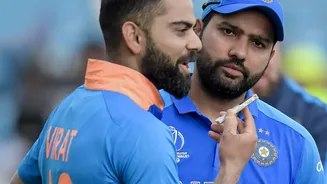
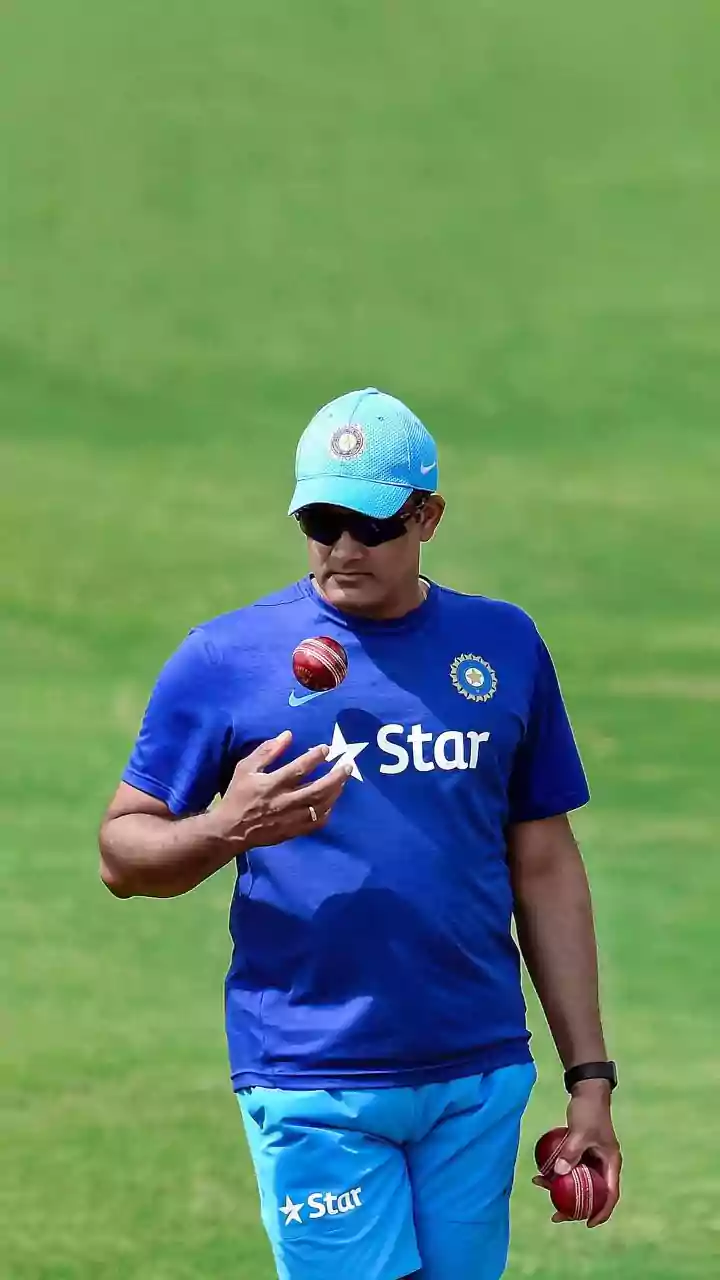
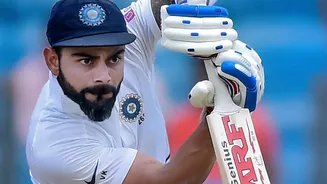
When two giants of Indian cricket, captain Virat Kohli and coach Anil Kumble, joined forces in 2016, it seemed like a dream team. The results were spectacular, with India dominating Test cricket. But behind the scenes, a serious rift was developing. By the 2017 Champions Trophy, whispers of discord became a roar. Reports suggested that Kohli and other players found Kumble's coaching style too 'intimidating' and 'overbearing'. The captain reportedly informed the BCCI that the relationship was 'untenable'. Immediately after the tournament final, which India lost, Kumble stepped down. His resignation letter was a bombshell, stating that he was informed by the BCCI that the captain had 'reservations' about his style and about him continuing as head coach. He concluded that the partnership had become unsustainable, laying bare the breakdown in trust. The episode highlighted the immense power a captain wields in modern Indian cricket and raised uncomfortable questions about the coach's role.
Kevin Pietersen vs England
Kevin Pietersen was England's most talented batsman of his generation, but his career was as turbulent as it was brilliant. His conflict with the England and Wales Cricket Board (ECB) was a long, simmering feud that finally erupted in 2012. During a Test series against South Africa, Pietersen was accused of sending 'derogatory' text messages about his own captain, Andrew Strauss, to members of the opposing South African team. The scandal, dubbed 'Textgate', led to him being dropped from the side. Although he was later reintegrated, the trust was broken. The final nail in the coffin came after the 2013-14 Ashes whitewash in Australia. Pietersen was permanently exiled from the England setup, with the ECB citing the need to rebuild team ethos and trust. His autobiography, released later, painted a picture of a dressing room culture of bullying, led by senior bowlers. It was a messy, public divorce that left fans wondering what could have been for one of England's greatest match-winners.
Miandad Threatens Lillee With a Bat
This wasn't a dressing-room secret but an on-field explosion that has become part of cricketing folklore. During a tense Test match in Perth in 1981, Pakistani batting maestro Javed Miandad collided with fiery Australian fast bowler Dennis Lillee while completing a run. Words were exchanged, and Lillee appeared to kick Miandad's pad. What happened next was extraordinary. An incensed Miandad raised his bat, threateningly gesturing towards Lillee as if to strike him. Umpires and players rushed to intervene, preventing a full-blown physical altercation. The image of a batsman brandishing his bat like a weapon at a bowler remains one of the most shocking in cricket's history. Lillee was fined for his part in the incident. The confrontation was a stark reminder of the intense personal rivalries and raw aggression that could simmer beneath the surface of the 'gentleman's game', especially in that era.