



The Spirit of Sattvic Eating
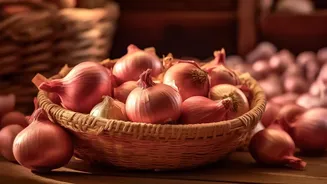
Shravan, which typically falls between July and August, is a holy month for devotees of Lord Shiva. Many observe fasts, particularly on Mondays (Somwar), and adopt a 'sattvic' diet. This involves avoiding meat, eggs, and often onion and garlic, focusing
instead on simple, pure food that is believed to keep the body light and the mind calm. There's a practical wisdom to this tradition. According to Ayurveda, the monsoon season can weaken our digestive system. A sattvic diet, rich in easily digestible foods, aligns perfectly with the body's seasonal needs. It’s a period of intentional eating, where the emphasis shifts to what nature provides in abundance.
The Gourd Governance
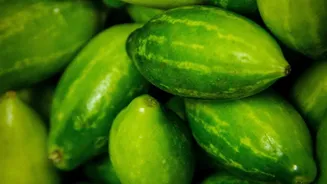
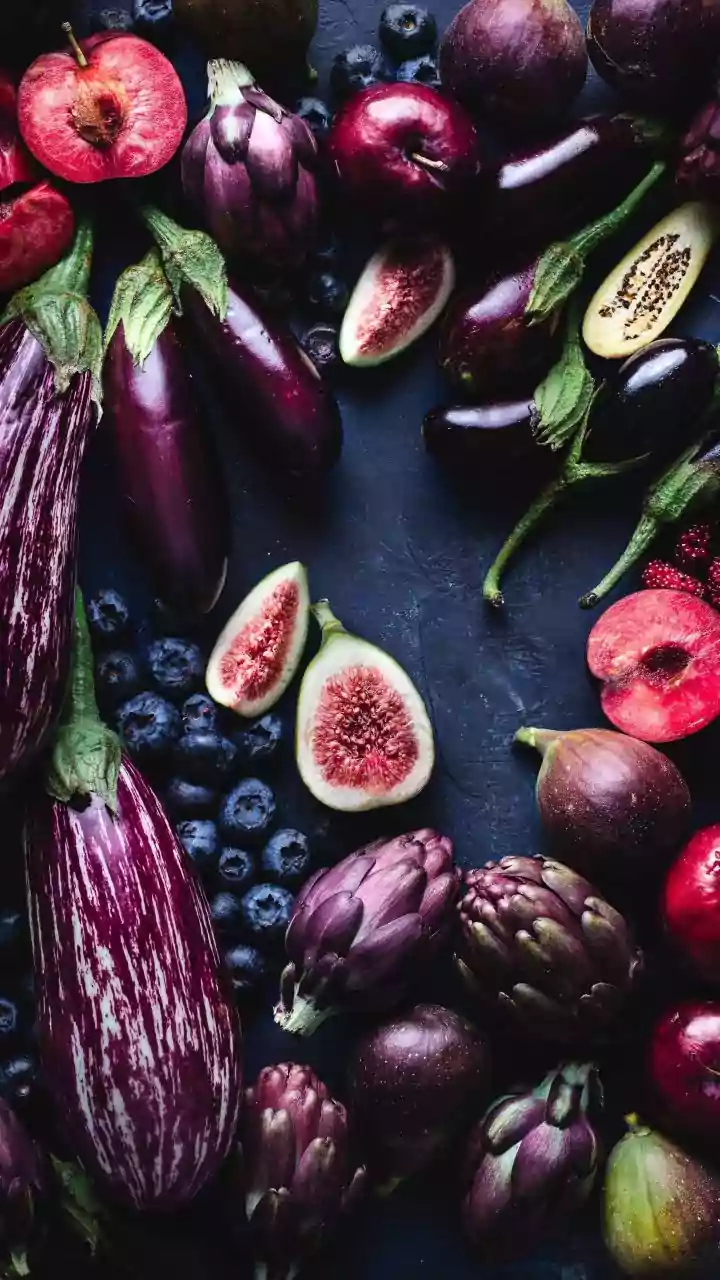
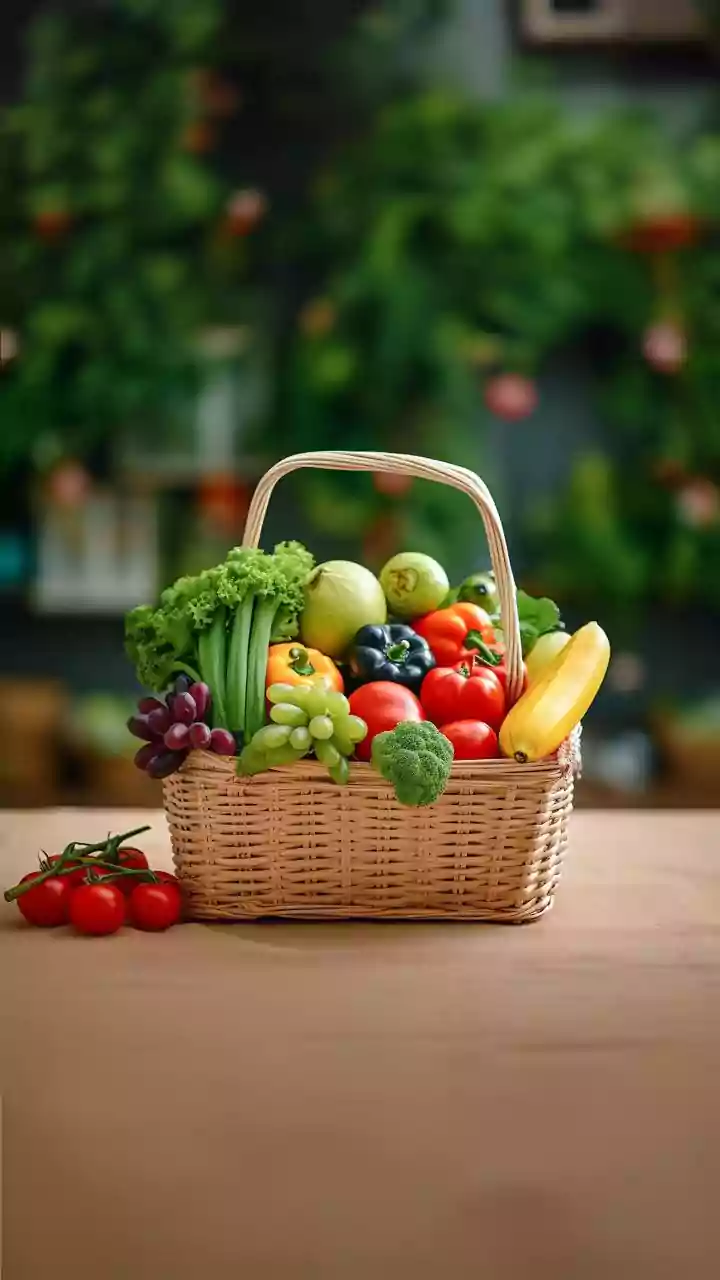
Walk through any local market during Shravan, and you’ll find mounds of various gourds. Bottle gourd (lauki/dudhi), ridge gourd (tori), and pointed gourd (parwal) are stars of the season. These vegetables are high in water content and naturally cooling, making them ideal for the humid monsoon climate. Their mild flavours lend themselves beautifully to simple preparations. A classic lauki sabzi, cooked with cumin, green chillies, and tomatoes (without onion and garlic), is a staple in many households. These gourds are not only easy to digest but also packed with fibre and essential nutrients, helping you stay hydrated and refreshed.
Go Green with Leafy Vegetables
While some traditions advise caution with leafy greens during monsoons due to insects, many varieties thrive this season and are central to Shravan cooking when cleaned properly. Spinach (palak), amaranth leaves (rajgira/chaulai), and fenugreek (methi) are widely available. These greens are powerhouses of iron and vitamins. A simple palak dal or methi thepla (made without onion and garlic) can be a complete, nutrient-dense meal. Rajgira, in particular, is a fasting favourite; its leaves are used in sabzis, while its flour (amaranth flour) is used to make puris, parathas, and sweets.
Rooted in Tradition
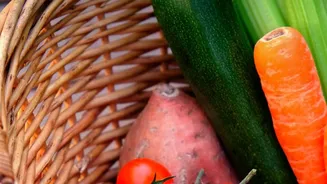
Root vegetables form the backbone of many fasting (vrat) meals, providing sustained energy. Potatoes and sweet potatoes (shakarkandi) are the most common. A simple dish of boiled potatoes tossed with rock salt (sendha namak) and cumin is a comforting classic. Sweet potatoes can be pan-fried into delicious 'kaap' or simply boiled. Colocasia root (arbi) is another popular choice, often prepared as a dry stir-fry with mild spices. These vegetables are filling and offer complex carbohydrates, ensuring you remain energetic throughout the day.
Fasting Staples and Fruits
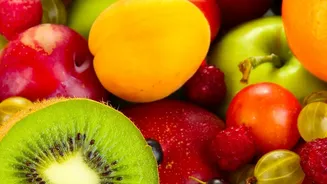
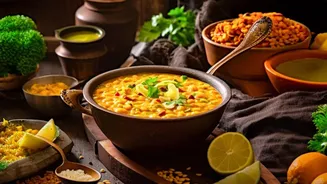
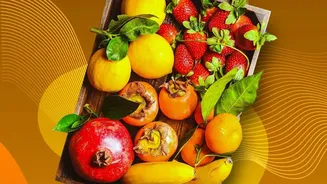
Beyond vegetables, certain ingredients are synonymous with Shravan fasting. Sabudana (tapioca pearls) is a versatile favourite, used for khichdi, vadas, and kheer. Flours like buckwheat (kuttu ka atta) and water chestnut (singhara atta) replace regular grains for making puris and rotis. Samak rice (barnyard millet) serves as a substitute for regular rice. The season also brings an array of fruits like apples, bananas, and pomegranates, which are perfect for maintaining hydration and energy levels. Nuts and seeds like peanuts, almonds, and fox nuts (makhana) are eaten as snacks to keep hunger at bay.