







The 'All or Nothing' Trap
For many, exercise is framed by an 'all or nothing' mindset. If you can't complete a full, structured workout, it feels like a failure, so you do nothing instead. This cycle can be demoralizing, making it even harder to start. The pressure to meet official
guidelines, like 150 minutes of moderate activity per week, can feel so intimidating that it leads to inaction. This is where reframing our entire approach to physical activity becomes a game-changer. The good news is that experts and studies now confirm that every little bit of movement counts, and you don't have to get it all in one continuous session.
Introducing 'Activity Snacking'
Enter the concept of 'activity snacking' or 'micro-workouts'. This approach involves breaking down your daily physical activity into short, manageable bursts of 5 to 15 minutes, spread throughout the day. Think of it as small, energizing snacks of movement instead of a single, heavy meal. The idea is to find excuses for movement wherever you can. This simple shift in perspective removes the primary barrier most people face: lack of time. By lowering the bar for what 'counts' as exercise, it makes the goal of staying active feel instantly more attainable and far less daunting.
What the Science Says
This isn't just a motivational trick; it's backed by science. A growing body of research shows that accumulating short bouts of activity provides significant health benefits. Studies indicate that these 'exercise snacks' are effective at improving cardiorespiratory fitness, a key measure of overall health. Dispersing activity throughout the day has also been shown to be particularly effective for improving postprandial glucose and insulin responses, which is crucial for metabolic health. In fact, reviews of multiple studies have found no significant difference in health outcomes like blood pressure, fitness, and blood lipid improvements between people who exercise in one continuous block and those who accumulate it in shorter bursts.
More Than Just Physical Benefits
The psychological wins of activity snacking are just as powerful. Completing a small, 5-minute workout provides an immediate sense of accomplishment, which can boost your mood and energy levels. This approach helps build consistency, which is more important for long-term results than intensity alone. It dismantles the guilt and pressure associated with missing a long workout, fostering a healthier relationship with exercise. Emerging evidence suggests these short breaks can also reduce fatigue and improve focus, making you more productive. Adherence rates for exercise snacking have also been found to be high, likely because the short, flexible bouts are easier to integrate into daily life.
Your Daily 'Snack' Menu
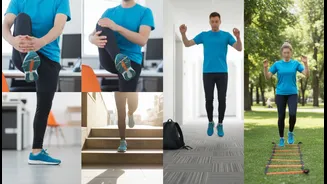
The beauty of activity snacking is its flexibility. You don't need a gym or special equipment. The goal is simply to move and raise your heart rate, even for a few minutes. Some simple ideas include: taking the stairs instead of the elevator, doing a set of squats while your coffee brews, having a 5-minute dance party with your kids, doing a brisk walk around the block during a work call, or performing a few desk push-ups or chair squats between meetings. Even vigorous household chores like vacuuming or gardening can count toward your daily total.
From Snacks to a Full Meal
Starting with small, frequent movements helps build a foundation of fitness and confidence. For many, what begins as a few activity snacks naturally evolves into a more active lifestyle. As your endurance and strength improve, you might find yourself wanting to extend your walks, try a new fitness class, or add more structured workouts to your week. The key is that this progression feels natural and self-motivated rather than forced. It’s about creating a sustainable habit that you can stick with for the long haul. By proving to yourself that you can fit movement into your life, you unlock the door to greater health and well-being, one small 'snack' at a time.