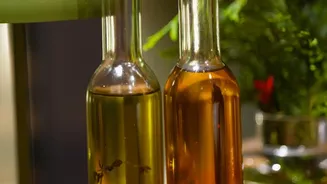

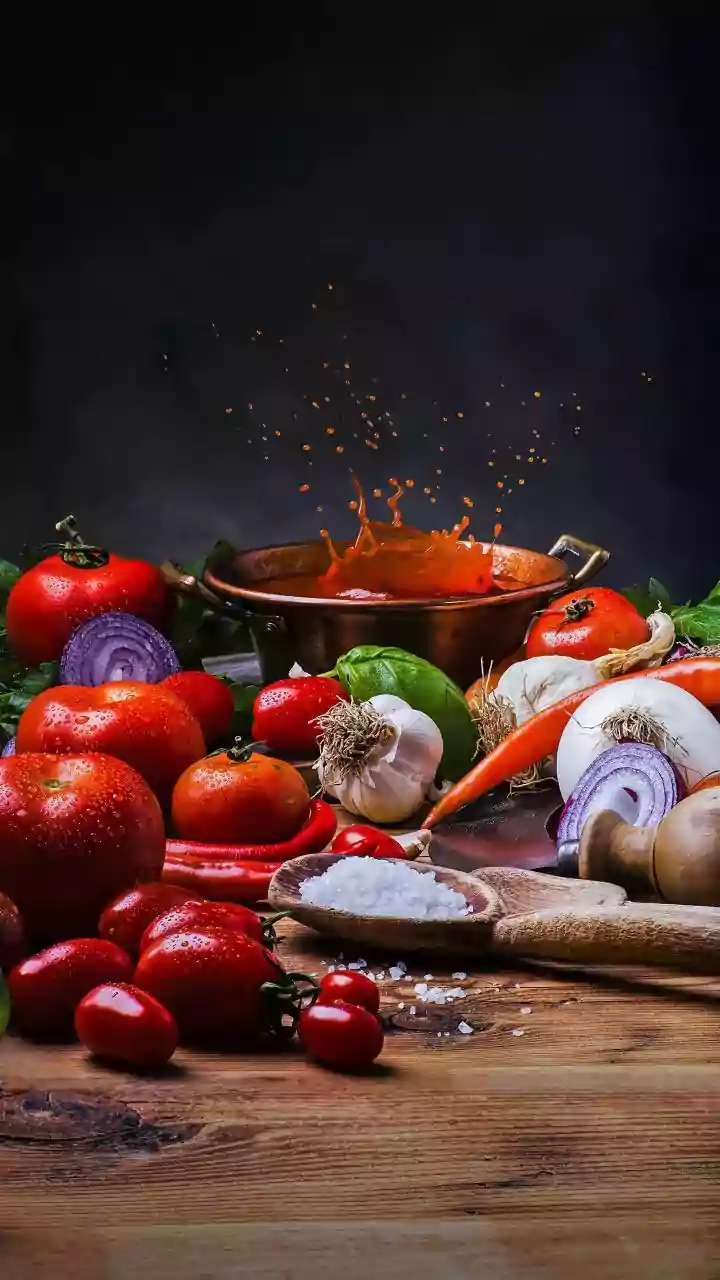
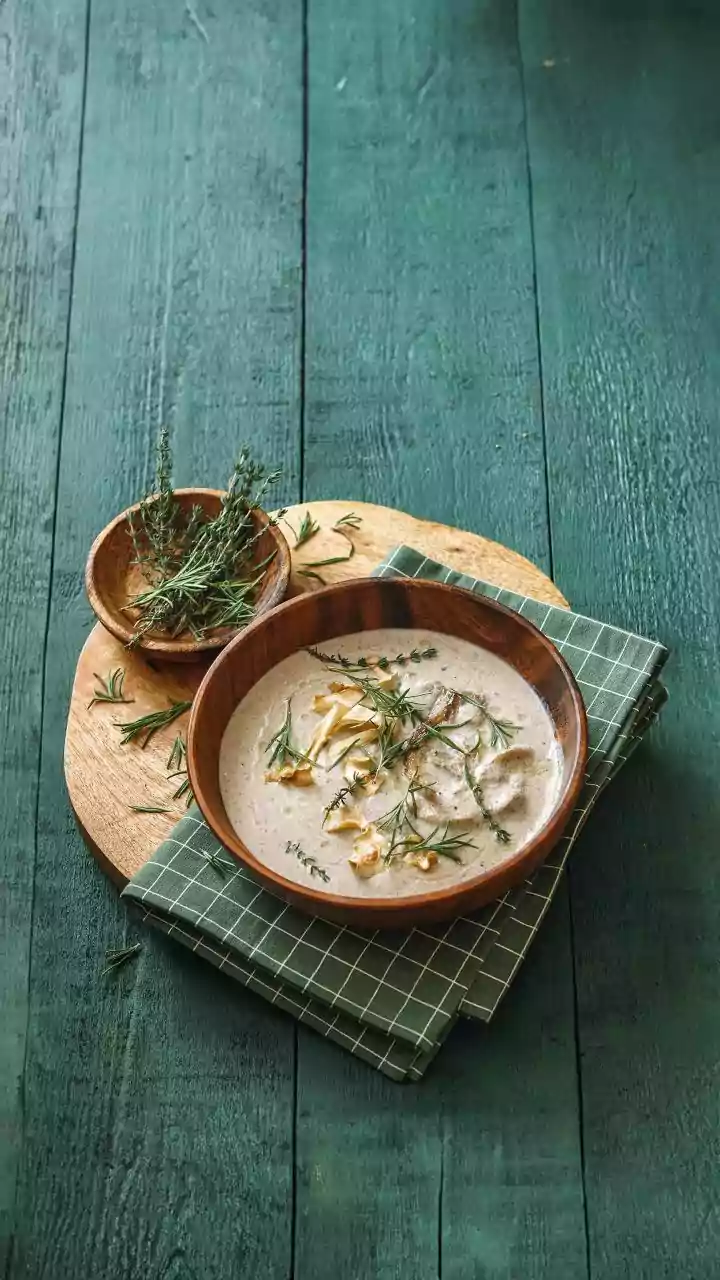
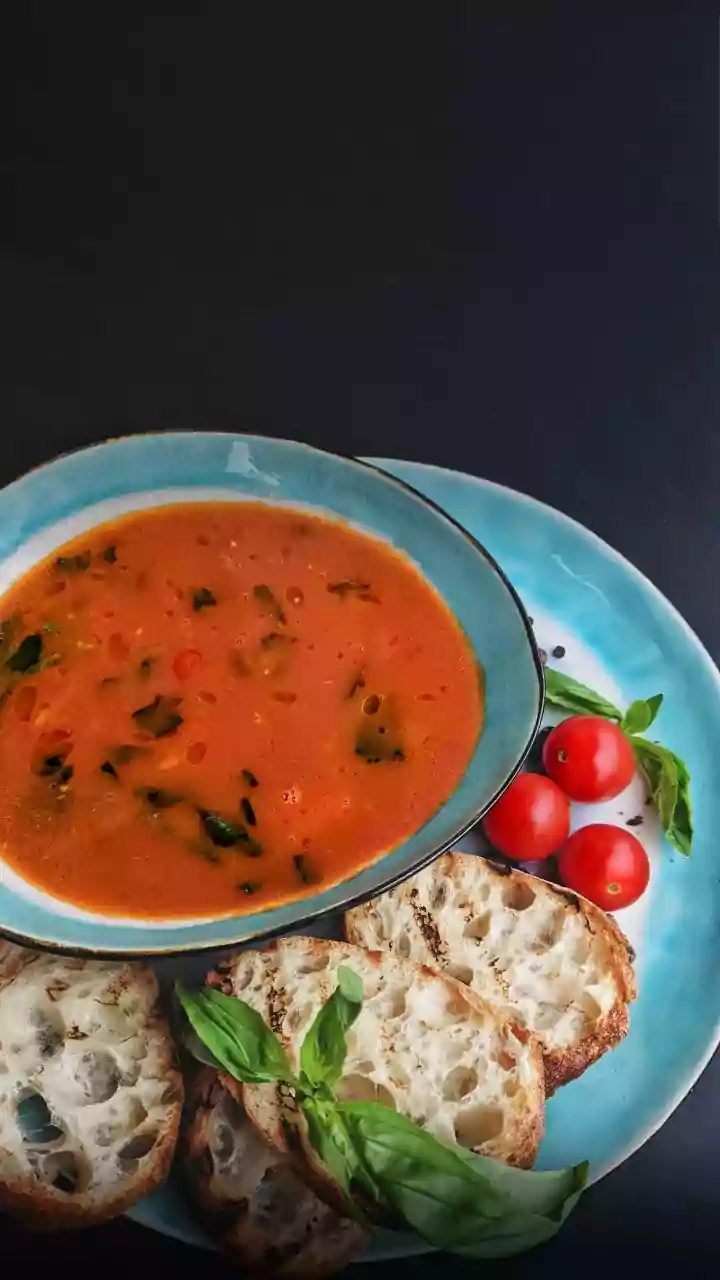
Don't toss those coriander stems and carrot peels. Your kitchen scraps are packed with flavour, ready to be transformed into artisanal oils and vinegars that will elevate your cooking and shrink your food waste footprint, one delicious drop at a time.
The Zero-Waste Flavour Boost
In the quest for a more sustainable kitchen, every scrap counts. Those vegetable peels, herb stems, and garlic skins you typically discard are actually hidden reservoirs of flavour. By infusing them into oils and vinegars, you not only unlock their culinary potential but also take a significant step towards a zero-waste cooking practice. This age-old preservation technique transforms humble leftovers into gourmet ingredients. Imagine drizzling a salad with a zesty lemon-peel vinegar or sautéing vegetables in an oil subtly perfumed with ginger and garlic skins. It’s an easy, cost-effective way to add layers of complexity to your meals while giving a second life to ingredients you’ve already paid for.
Choosing Your Scraps and Base
Almost any vegetable peel or herb stem can be used, but some offer more potent flavours. Hearty and aromatic scraps work best. Think carrot peels, the tough outer skins of onions and garlic, ginger peels, and sturdy herb stems from coriander, mint, rosemary, or thyme. Citrus peels also add a wonderful brightness. Ensure your scraps are clean and thoroughly dry, as moisture is the enemy of infused oils. For oils, choose a neutral-flavoured one like sunflower or a light olive oil to let the scrap flavours shine. For vinegars, apple cider vinegar and white wine vinegar are excellent, versatile choices that complement a wide range of herbs and spices.
Safely Infusing Oils: Heat vs. Cold
Infusing oil requires care, as using fresh, moist ingredients can create an oxygen-free environment where Clostridium botulinum bacteria may grow. The safest approach for beginners is to use completely dried scraps. If using fresh peels or stems, it is safest to use them up quickly. There are two main methods for infusion: the hot method and the cold method. For a quick hot infusion, gently heat your oil in a pan with the clean, dry scraps over low heat for about 15-20 minutes, until the oil is aromatic. Do not let it fry or smoke. This method is faster but can alter some of the delicate flavours. The cold infusion method takes longer but better preserves delicate notes. Simply place your dried scraps in a clean, sterilised jar, cover completely with oil, seal it, and let it sit in a cool, dark place for one to two weeks, shaking it occasionally. For fresh scraps, this method requires immediate and continuous refrigeration, and the oil should be used within a few days to minimise any safety risks.
Effortless Vinegar Infusions
Infusing vinegar is much more straightforward and safer than oil because its high acidity naturally prevents bacterial growth. The process is simple: pack a sterilised glass jar with your chosen fresh herb stems, peels, or spices. Popular choices include coriander stems, mint, dill, or even spicy chilli flakes. Pour vinegar over the ingredients until they are completely submerged. Seal the jar tightly and store it at room temperature, away from direct sunlight, for about one to two weeks. Give the jar a gentle shake every couple of days. You can start tasting it after a week to see if it has reached your desired flavour intensity. Once ready, strain the vinegar through a fine-mesh sieve into a clean bottle for storage.
Storing and Using Your Creations
Proper storage is key to preserving the life and flavour of your infusions. Homemade oil infused with dried ingredients should be stored in a cool, dark place and ideally used within three months. Any oil made with fresh scraps must be refrigerated and used within a week. Always check for any off smells before using. Infused vinegars are more shelf-stable due to their acidity and can be kept in the pantry for several months, although refrigeration helps preserve their vibrant flavour longer. Use your new creations to add a finishing touch to dishes. Drizzle herb-infused oil over roasted vegetables or pasta. Use a ginger-and-garlic-peel oil for a stir-fry base. Your vegetable peel vinegar can become the star of a simple salad dressing, a tangy marinade for paneer, or a flavourful splash in soups and dals.