



The Foundation: What Is Tempering?
Tempering, known as 'tadka' or 'chaunk' in India, is the brief but transformative process of blooming spices in hot fat like oil or ghee. This isn't just about cooking the spices; it's a scientific method of flavour extraction. Many of the aromatic compounds
responsible for a spice's signature character are fat-soluble, not water-soluble. When you drop whole spices like cumin seeds into hot oil, the heat breaks down their cellular structure, releasing essential oils and aromatic compounds directly into the fat. This flavoured oil then acts as a delivery vehicle, distributing a deep, complex, and uniform taste throughout the entire dish in a way that simply stirring spices into a watery gravy cannot achieve.
The Star Player: The Role of Cumin
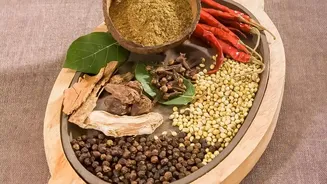
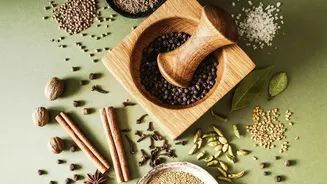
Cumin, or 'jeera', is a cornerstone of the Indian spice cabinet, prized for its distinct warm and earthy flavour. When whole cumin seeds hit hot oil, they sizzle and pop, undergoing a rapid transformation. This blooming process releases a key aromatic compound called cuminaldehyde, which is responsible for cumin's characteristic scent. Toasting the seeds this way reduces bitterness and unlocks a nutty, robust profile that forms the flavour base for countless dals, curries, and rice dishes. The goal is to let the seeds turn a shade darker and release their potent aroma—a process that takes only a few seconds but lays the groundwork for incredible depth.
The Perfect Partner: Enter Tangy Tamarind
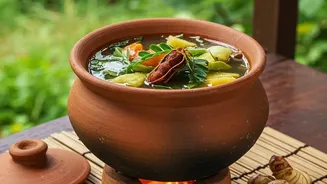
Tamarind brings a completely different but complementary element to the table. Its pulp offers a complex sweet-and-sour flavour profile that is both fruity and tangy. The primary source of its signature sourness is tartaric acid, which gives it a sharp, clean tartness that can cut through richness and brighten heavy dishes. Often compared to a mix of lemons, dates, and apricots, tamarind provides a high-contrast note that prevents dishes from tasting flat or one-dimensional. In South Indian cooking, particularly, tamarind is a staple, used to create the sour and savoury base for dishes like sambar and rasam.
A Culinary Marriage: Why Cumin and Tamarind Work
The pairing of cumin and tamarind is a masterclass in flavour balance. The deep, earthy, and almost smoky notes from the tempered cumin provide a grounding force for the high-toned, fruity sourness of the tamarind. It's a classic culinary contrast where opposites attract to create a more harmonious whole. The warmth of the cumin mellows the sharp edge of the tamarind's tartness, while the tamarind's acidity highlights the nutty complexity of the toasted cumin. Chemically, the two ingredients share a surprising number of flavour molecules, which may help explain their natural affinity. This combination is the heart of many iconic Indian recipes, from tangy dals like 'Khatti Dal' to refreshing drinks like 'Jal Jeera'.
Bringing It to Your Kitchen
To harness this pairing, start by making a simple cumin tempering. Heat a tablespoon of ghee or a neutral oil in a small pan over medium heat. Once it shimmers, add a teaspoon of whole cumin seeds. Let them sizzle until they turn a shade darker and become fragrant, which usually takes about 30 to 45 seconds. Be careful not to burn them, as this will result in a bitter taste. This aromatic oil can then be used as the base for a vegetable stir-fry, a lentil soup, or a curry. When your dish is nearly cooked, stir in tamarind paste or water to taste. Start with a small amount and add more as needed, allowing its tangy flavour to meld with the earthy cumin and create a beautifully balanced and vibrant dish.