





In our busy lives, finding space for health and connection can feel like a luxury. But what if a powerful, free resource was just around the corner? Public parks offer more than just green grass; they are dynamic hubs for wellness and community.
More Than Just a Run
While
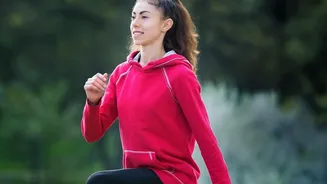
a gym offers a controlled environment, exercising outdoors in a park provides unique physical benefits that a treadmill cannot replicate. Engaging with varied terrain like grassy fields or gentle inclines challenges your muscles and improves balance and coordination in a way flat, predictable surfaces do not. This 'green exercise' can also feel less strenuous than an identical indoor workout, encouraging you to stay active for longer periods. Exposure to fresh air and natural sunlight boosts your Vitamin D levels, which is crucial for bone health and immune function. Unlike the recycled air of an indoor facility, the open environment of a park provides a refreshing and invigorating setting that makes physical activity feel less like a chore and more like a restorative act.
A Workout for Your Mind
The mental health benefits of spending time in nature are profound. Studies consistently show that physical activity in a natural setting can significantly reduce stress, anxiety, and feelings of depression. Even just five to twenty minutes in a green space can lower levels of cortisol, the body's primary stress hormone, leading to a calmer state of mind. This form of exercise improves your mood by triggering the release of endorphins, but the natural environment adds another layer of benefit by helping to reduce mental fatigue and improve focus. In an age of constant digital distraction, the simple act of observing nature—listening to birds, feeling a breeze, or watching leaves rustle—promotes mindfulness and helps you connect with the present moment.
The Original Social Network
Long before social media, parks served as the original platforms for community connection. They are natural gathering places where people from all walks of life can interact. These spaces foster 'social cohesion' by providing a neutral ground for casual encounters that build a sense of belonging. Morning walking clubs, groups of seniors practicing laughter yoga, parents watching their children play, and teenagers playing sports all contribute to a vibrant community fabric. These low-stress interactions help break down social barriers and combat the loneliness that can be common in urban life. Parks are where friendships are formed and community identity is strengthened, one shared smile or hello at a time.
Accessible Fitness for Everyone
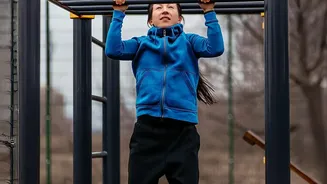
One of the most powerful aspects of a public park is its accessibility. They are free to use, removing the financial barrier that a gym membership can present. This makes fitness available to everyone, regardless of their economic status. Furthermore, parks cater to all ages and fitness levels. Many now feature outdoor gym equipment like pull-up bars and benches that can be used for a full-body workout. However, you do not need any equipment at all. A simple bench can be used for dips and step-ups, a grassy area for yoga or bodyweight exercises, and walking paths for a low-impact workout. This inclusivity ensures that from children on the playground to seniors on a gentle stroll, everyone has an opportunity to be active.