




Why Safety Is Magnified in Batch Cooking
Cooking one meal for tonight is straightforward. Preparing meals for the next three to four days introduces new risks. The main issue is the 'temperature danger zone', which sits between 5°C and 60°C. This is the range where bacteria can multiply rapidly.
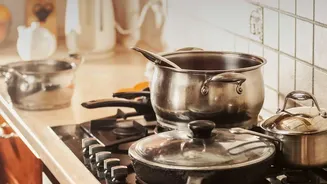
A large pot of curry or a deep container of rice can take hours to cool, spending far too long in this danger zone, even if the surface feels cool to the touch. Cooking in bulk means you have a larger volume of food that needs to be cooled down quickly and correctly. A twice-weekly cooking schedule—perhaps on a Sunday and a Wednesday—is a popular method because most cooked food is best consumed within three to four days. This makes proper handling essential for the food you'll be eating later in the week.
The Critical Cooling Process
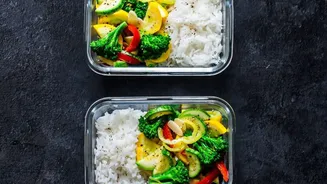
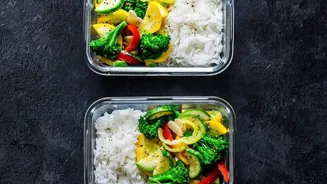
Getting your cooked food from hot to cold safely is the most important step in batch preparation. Never leave large batches of food on the counter to cool down for hours. The rule is to cool food from 60°C down to 21°C within two hours, and then down to 5°C or colder in the next four hours. To do this effectively, you must divide and conquer. Transfer hot food from the large cooking pot into several smaller, shallow containers, ideally no more than two inches deep. This increases the surface area and allows heat to escape much faster. Spreading grains like rice on a baking sheet is another great way to cool them quickly. For soups and stews, you can use an 'ice bath' by placing your smaller containers into a sink filled with ice and water, stirring the food to speed up the process.
Smart Storage for Safe Eating
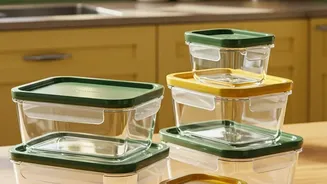
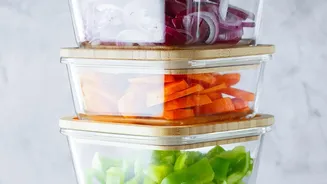
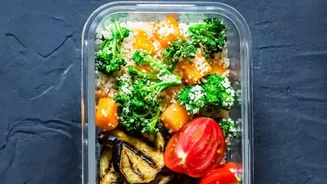
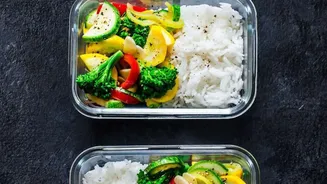
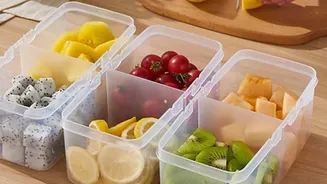
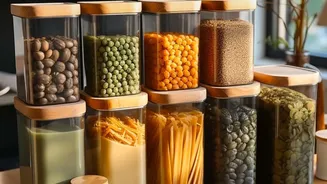
Once your food is cool, it’s time to store it properly. Use airtight containers to prevent contamination. Glass containers are an excellent choice as they don’t stain or retain odours. Always label your containers with the name of the dish and the date it was cooked. This eliminates guesswork later in the week. In the refrigerator, a crucial rule is to store ready-to-eat or cooked foods on the upper shelves and raw meats on the bottom shelf. This prevents any juices from raw items dripping onto and contaminating your prepared meals. If you've made more food than you'll eat in 3-4 days, the freezer is your best friend. Most cooked meals can be frozen for up to three months.
Preventing Cross-Contamination During Prep
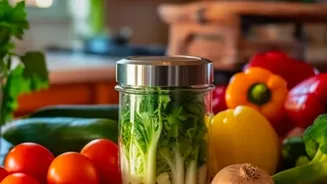
Food safety starts before you even turn on the stove. Cross-contamination—the transfer of harmful bacteria from one surface to another—is a major risk during batch prep. Always wash your hands with soap and warm water before and after handling raw meat, poultry, or fish. Use separate chopping boards and utensils for raw proteins and ready-to-eat items like vegetables and fruits. A simple system is to use colourcoded boards: red for raw meat, green for vegetables. Clean all surfaces, including countertops and sinks, with hot, soapy water after they come into contact with raw ingredients. Don't wash raw chicken; splashing water can spread bacteria around your kitchen.
Reheating: The Final Safety Checkpoint
When it's time to eat your prepped meals, reheating is more than just warming them up. You need to bring the food to a safe internal temperature to kill any bacteria that might have developed during storage. The universal standard is to reheat leftovers until they are steaming hot throughout, reaching an internal temperature of 75°C (165°F). A food thermometer is the only way to be certain. When using a microwave, cover the food and stir it midway through to ensure there are no cold spots where bacteria can survive. Sauces, soups, and gravies should be brought to a rolling boil on the stove. Crucially, you should only reheat a portion of food once. So, only take out what you plan to eat and reheat that amount.