





Forecast: What to Expect and Where
The IMD has predicted an active monsoon spell that is set to continue over parts of Western India through the upcoming weekend. The forecast highlights widespread rainfall for the Konkan region, Goa, and Madhya Maharashtra until the end of July and into
early August. Specifically, regions including Konkan and Goa are expected to see heavy rainfall, with some isolated areas in the ghats potentially receiving very heavy downpours. For instance, a 'very heavy rain' warning has been issued for the Konkan & Goa sub-division for Friday, July 31st. Cities like Pune and its surrounding areas are under a yellow alert, with authorities anticipating intermittent moderate to heavy showers. This weather pattern, driven by vigorous monsoon conditions, means that anyone in or travelling to these areas should prepare for persistent and intense rain.
High-Risk Zones for Travellers
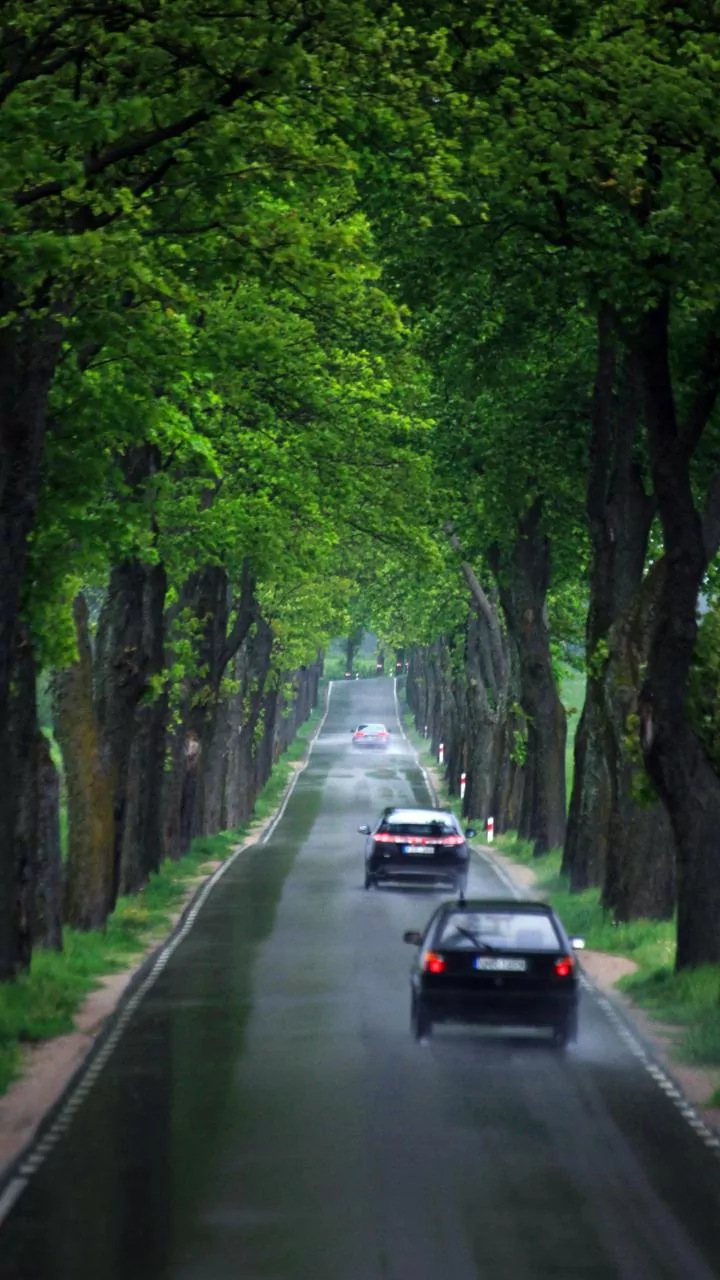
The primary concern for weekend travellers is the increased risk of landslides and waterlogging in the ghat sections of the Western Ghats. These mountainous passes are crucial arteries connecting the coast to the interior but become hazardous during intense rainfall. Key routes like the Mumbai-Pune Expressway, Tamhini Ghat, Varandha Ghat, and Amboli Ghat are particularly vulnerable to landslides, rockfalls, and severe waterlogging. Past incidents have shown that heavy rainfall can lead to falling debris and traffic coming to a standstill for hours. Coastal highways, such as National Highway 66 (NH-66), also pose a risk due to potential flooding and slippery conditions. Authorities have consistently advised travellers to postpone non-essential trips to popular hill stations like Lonavala and Khandala during such weather alerts due to these dangers.
Potential Travel Disruptions
Beyond the direct risks on the road, the anticipated heavy rainfall is likely to cause a cascade of travel disruptions. In urban areas like Mumbai and Pune, waterlogging on key roads can lead to major traffic congestion, significantly slowing down travel. For those relying on public transport, there is a possibility of delays or rescheduling of train services, particularly along the Konkan Railway route which passes through many of the affected areas. Poor visibility due to heavy showers and fog in the ghats will further slow down traffic and increase the chances of accidents. Travellers should also be prepared for the possibility that local authorities may temporarily close certain high-risk ghat sections to prevent accidents.
Essential Safety Measures to Follow
If travel is absolutely unavoidable, prioritizing safety is paramount. Before starting your journey, check the latest weather updates and traffic advisories from the IMD and local police. Always inform a friend or family member of your travel route and expected arrival time. It is wise to avoid travelling during the peak hours of the forecast rain, and if possible, avoid driving at night when visibility is at its lowest. Ensure your vehicle is in good condition, with functional wipers, headlights, and tyres with adequate tread. Pack an emergency kit containing a first-aid box, a torch, extra food, and water. While driving, maintain a safe distance from the vehicle ahead and strictly avoid driving through flooded roads, as the depth can be deceptive. Most importantly, if conditions appear too dangerous, find a safe place to halt your journey and wait for the weather to improve.