


Makhan Mishri
No Janmashtami bhog is complete without Makhan Mishri. This offering is deeply connected to Krishna's childhood, earning him the name 'Makhan Chor' or butter thief. Its beauty lies in its simplicity, representing purity and sweetness. To prepare this,
you only need fresh white butter and rock sugar (mishri). If you are using fresh cream (malai), churn it until the butter separates from the whey. Collect the butter and gently fold in coarsely crushed mishri. The goal is to retain some crunch. A few tulsi leaves can be added before offering this divine and simple treat to Lord Krishna.
Panchamrit
Panchamrit is a sacred concoction of five ingredients, where 'panch' means five and 'amrut' means nectar. This holy mixture, traditionally made of milk, curd (yogurt), honey, ghee, and sugar, is used in countless Hindu rituals. The five elements combine to create a nourishing offering that signifies purity, strength, and happiness. To make it, simply combine raw cow's milk, fresh curd, a spoonful of ghee, honey, and sugar in a clean bowl. Mix gently until everything is incorporated. Some variations include adding tulsi leaves, chopped nuts, or Ganga Jal for enhanced sanctity.
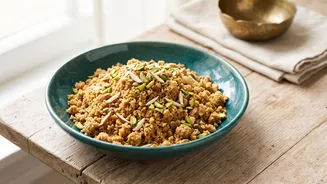
Dhaniya Panjiri
Dhaniya Panjiri is a unique and aromatic prasad specifically associated with Janmashtami. Unlike other flour-based panjiris, this version uses ground coriander seeds, making it a distinctive and flavourful offering. To prepare it, dry roast whole coriander seeds until they become aromatic, then let them cool and grind them into a coarse powder. Heat a few tablespoons of ghee in a pan and lightly roast chopped nuts like almonds and cashews, along with makhana (fox nuts). Add the coriander powder and roast for another minute before turning off the heat. Once cooled slightly, mix in powdered sugar, grated dry coconut, and a pinch of cardamom powder.
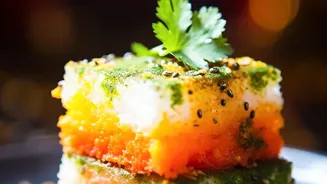
Gopalkala
Also known as Dahi Poha, Gopalkala is a savoury dish that is both refreshing and symbolic. It is believed to be one of Lord Krishna's favourite snacks and is prepared by mixing beaten rice (poha) with yogurt, cucumber, and simple spices. To make this, first, wash the poha and let it soften for a few minutes before draining any excess water. In a bowl, combine the softened poha with yogurt, finely chopped cucumber, grated fresh coconut, and salt. For the tempering, heat a little ghee, and add cumin seeds, letting them crackle before adding chopped green chillies. Pour this tempering over the poha mixture, mix well, and garnish with fresh coriander.
Makhana Kheer
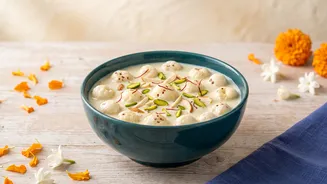
A creamy and delightful dessert, Makhana Kheer (lotus seed pudding) is a perfect bhog offering, especially for those observing a fast. It’s light, nutritious, and incredibly flavourful. Start by roasting makhana in a little ghee until they are crisp. Set aside about a quarter of the roasted makhana and grind the rest into a coarse powder. In a separate pan, bring full-cream milk to a boil. Add the makhana powder, the whole roasted makhana, and sugar. Let it simmer until the milk thickens and the makhana softens. Stir in sliced almonds, cashews, and cardamom powder for a rich aroma and taste. Serve it warm or chilled.
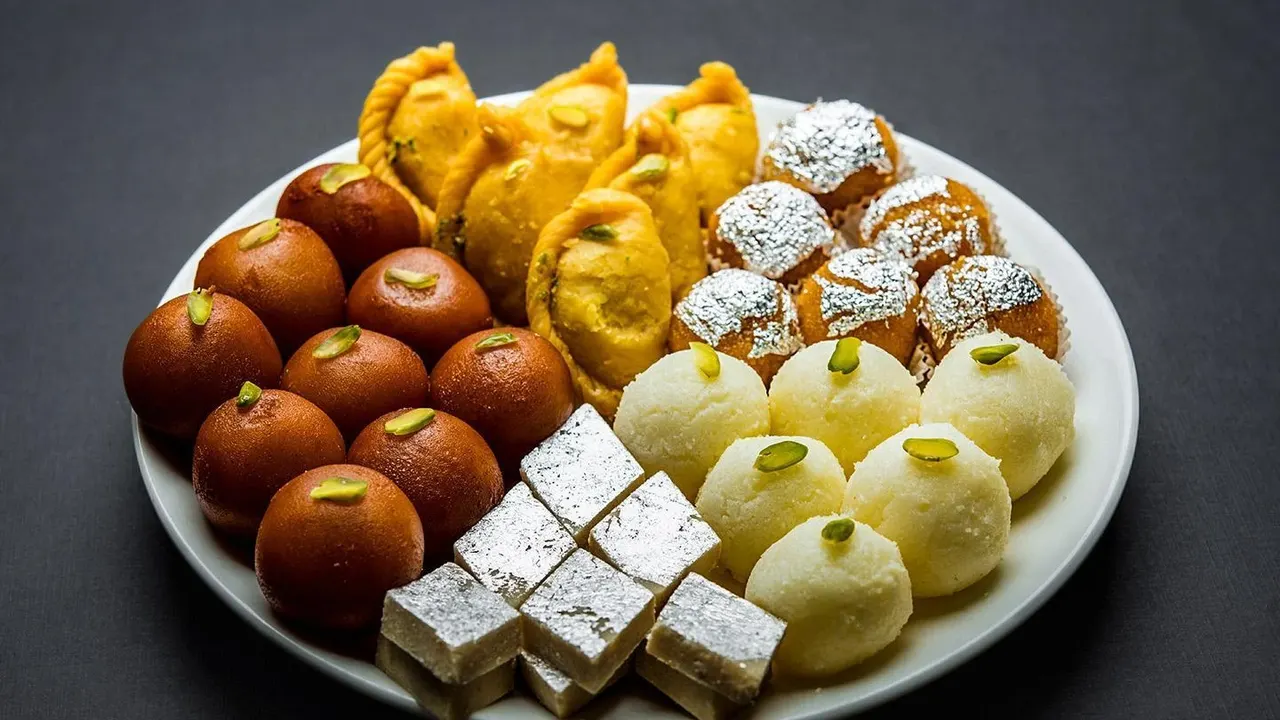
Besan Laddu
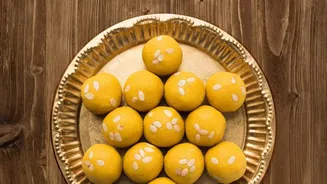
Besan Laddu is a classic Indian sweet that's loved across generations and makes for a wonderful bhog. These flavourful spheres of roasted gram flour, ghee, and sugar are relatively easy to prepare. The key is to patiently roast the besan (gram flour) in ghee on a low flame, stirring continuously until it turns a golden-brown colour and emits a nutty aroma. This step is crucial for the final taste. Once roasted, remove the mixture from the heat and let it cool down until it's just warm enough to handle. Add powdered sugar and cardamom powder, mix thoroughly, and then shape the mixture into firm, round laddus. Garnish with a piece of an almond or pistachio.