




The Modern Wellness Shift
A growing number of young Indians are proactively investing in their long-term health, moving away from quick fixes and towards sustainable, preventative care. This generation is increasingly aware of the impact of diet on overall well-being, from physical
fitness to mental clarity. They are reading labels, questioning processed ingredients, and showing a keen interest in functional foods that offer benefits beyond basic nutrition. This has sparked a revival of traditional Indian foods and drinks that were often dismissed as old-fashioned. At the forefront of this movement is the return to fermented foods, which are being recognized for their profound health advantages, particularly for gut health.
What Exactly is Ambali?
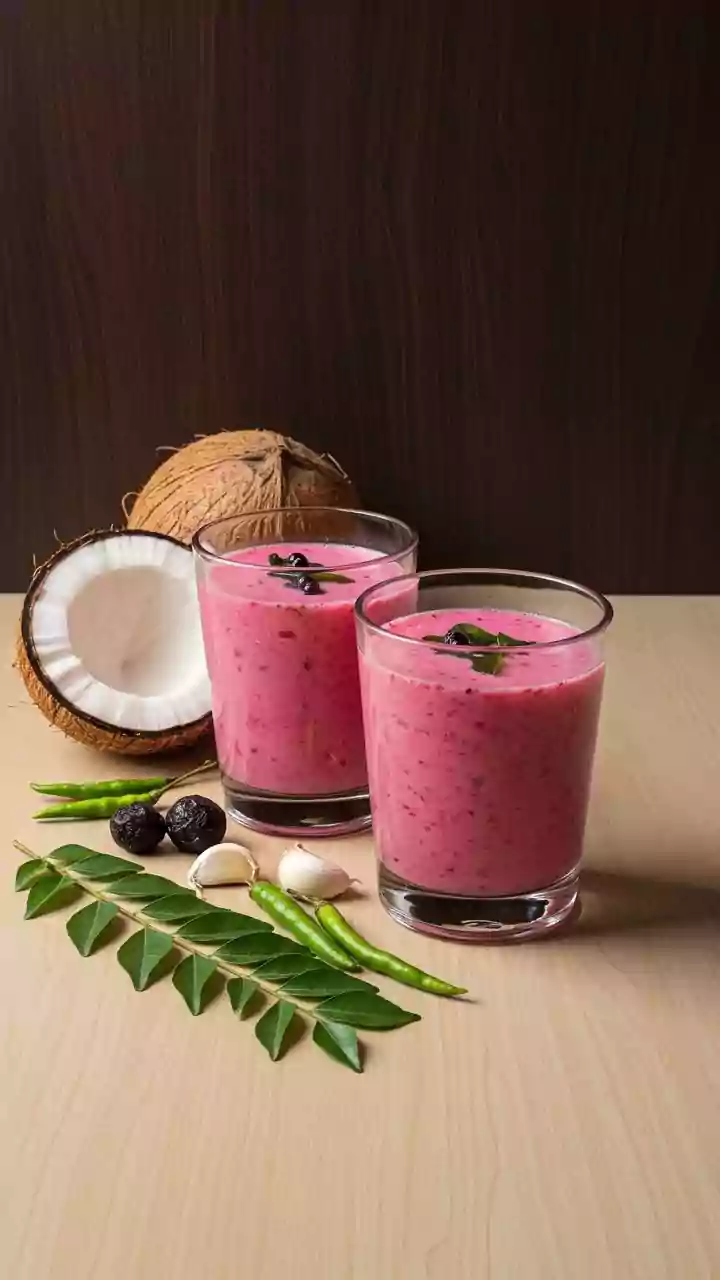
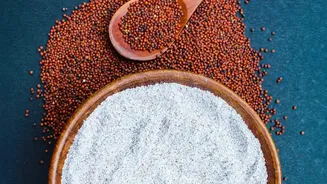
Ambali is a traditional beverage, particularly popular in South India, made from finger millet, known as ragi. It is prepared by cooking ragi flour with water to form a porridge, which is then allowed to ferment, often overnight. This natural fermentation process gives the drink a slightly sour, tangy flavour and a host of health benefits. It's typically served cool, often mixed with buttermilk, salt, and sometimes garnished with chopped onions or herbs, making it a savoury and refreshing drink. Unlike many modern beverages, Ambali is celebrated for being a natural, whole-food-based drink with deep cultural roots.
Ambali: A Nutritional Powerhouse
The preference for Ambali is rooted in its impressive nutritional profile. Ragi itself is a superfood, packed with calcium, iron, and fibre. In fact, it contains significantly more calcium than rice and even milk, making it excellent for bone health. The fermentation process elevates its benefits further. It creates probiotics, which are beneficial bacteria essential for a healthy gut microbiome, aiding digestion and improving nutrient absorption. Fermentation also breaks down anti-nutrients found in grains, making minerals like iron and zinc more available to the body. With a low glycemic index, Ambali provides sustained energy without causing sharp spikes in blood sugar, a stark contrast to its sugary competitor.
Soda: The Empty Calorie Trap
On the other side of the comparison is soda, a beverage linked to a host of negative health outcomes. A single can of regular soda often contains more than the recommended daily limit of sugar, offering what experts call "empty calories" with no essential nutrients like vitamins, minerals, or fibre. Regular consumption is strongly associated with an increased risk of obesity, type 2 diabetes, heart disease, and fatty liver disease. The high sugar content leads to rapid blood glucose spikes and subsequent crashes, which can affect mood and energy levels. Furthermore, the acids in both regular and diet sodas can erode tooth enamel, contributing to dental decay.
Gut Health and a Return to Roots
The modern obsession with gut health is a major driver behind Ambali's comeback. Scientists are increasingly linking a diverse gut microbiome to everything from improved immunity to better mental health. Fermented foods are one of the best ways to support this internal ecosystem. For many young Indians, choosing Ambali is not just a health decision but also a cultural one. It represents a conscious move away from globalised, mass-produced products towards something that feels authentic and connected to their heritage. This choice reflects a broader trend of embracing holistic and traditional wellness practices, from Ayurveda to yoga, as a way to manage the stresses of modern life.