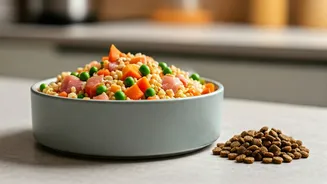






The Old Guard: Understanding Kibble
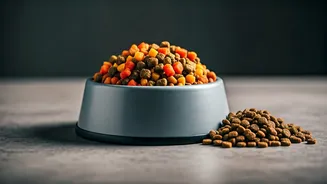
For decades, dry kibble has been the go-to choice for pet owners, and for good reason. It’s convenient, cost-effective, and has a long shelf life, making it a practical solution for busy households. High-quality commercial kibble is formulated to be 'complete
and balanced', meaning it meets the nutritional standards set by bodies like the Association of American Feed Control Officials (AAFCO). These guidelines ensure foods contain the minimum required levels of protein, fats, vitamins, and minerals for different life stages, like puppyhood or adulthood. However, the conversation around kibble has shifted. Concerns revolve around the high-heat processing methods, which some argue can diminish nutrient value, and the use of fillers and artificial preservatives in lower-quality brands.
The Fresh Alternative: A New Philosophy
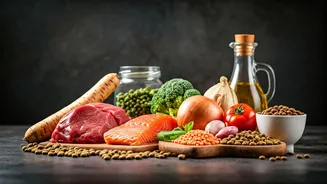
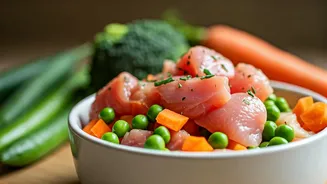
Enter the fresh food movement, a trend that mirrors the human desire for less-processed, whole-food diets. Fresh pet food typically consists of human-grade meats, vegetables, and grains that are gently cooked to preserve nutrients and kill harmful pathogens. Unlike kibble, these meals are refrigerated or frozen and served fresh. Proponents claim this approach leads to a host of benefits, including better digestion, improved skin and coat health, and increased energy levels. In India, the pet food market is booming, with a massive shift towards premium and health-focused products as pet humanisation grows. This has paved the way for new startups offering customised, subscription-based fresh meals delivered to your door.
The Potential Pawsitives: Are the Claims True?
Many pet owners who switch to fresh food report that their pets, especially picky eaters or those with sensitive stomachs, show more enthusiasm at mealtimes. The higher moisture content in fresh food can also aid in hydration and digestion. For dogs with specific allergies, custom diets can make it easier to eliminate trigger ingredients. While long-term studies comparing fresh food to kibble are still limited, short-term research does show fresh diets tend to be more digestible. However, it's important to separate marketing hype from scientific fact. Vets caution that 'less processed' does not automatically mean nutritionally superior.
The Risks and Realities of Going Fresh
The biggest risk with fresh food, particularly homemade recipes, is nutritional imbalance. Studies have found that the vast majority of home-prepared pet meals are deficient in one or more essential nutrients, which can lead to serious health problems over time. That's why it is critical to choose a commercial fresh food company that employs veterinary nutritionists and formulates its recipes to meet AAFCO standards. Other downsides include the high cost, which can be significantly more than kibble, and the need for freezer or refrigerator space. Fresh food also carries a higher risk of spoilage and bacterial contamination if not handled properly.
Making the Right Choice for Your Pet
So, is kibble out? Not necessarily. A high-quality, balanced kibble is still a perfectly healthy choice for many pets. The choice between fresh and kibble depends entirely on your dog's individual needs, your budget, and your lifestyle. There is no one-size-fits-all answer. A hybrid approach, such as mixing some fresh food into your pet's kibble, can be a good compromise to boost nutrition and palatability without the full commitment and cost of a 100% fresh diet. No matter what you choose, the most important step is to discuss it with your veterinarian. They can help you evaluate your pet's specific health requirements and make an informed decision.