


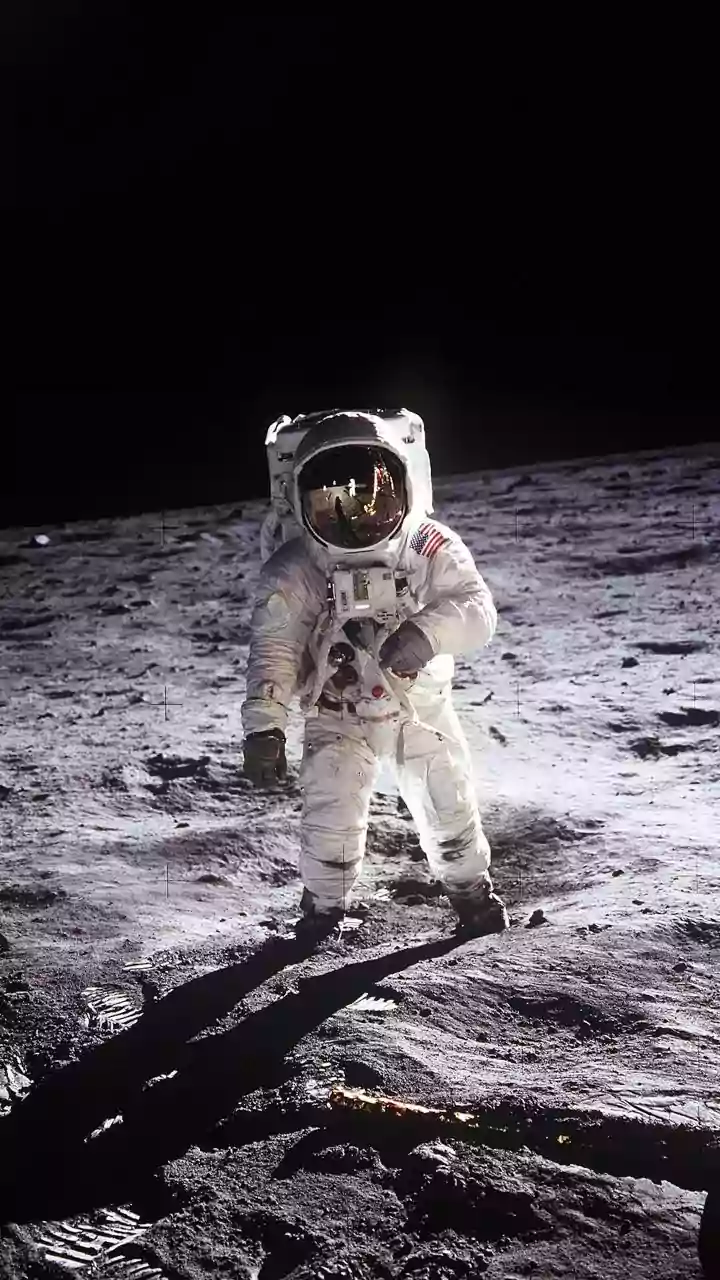





The Shifting Landscape of Space
For decades, space exploration was synonymous with government agencies like NASA. Today, the sector is undergoing a profound transformation driven by commercial enterprise. The primary catalyst has been the advent of reusable rockets, pioneered by companies
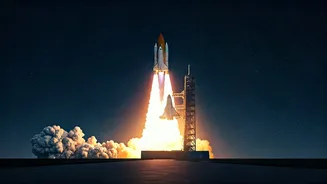
like SpaceX, which has dramatically lowered the cost of reaching orbit. [19] The sight of a rocket booster landing autonomously is no longer a rare feat but a routine part of the modern launch business. [19] This shift has moved the industry from a model of slow, government-led projects to a dynamic, competitive market where private firms are not just contractors but pioneers. [22] This new "Space-as-a-Service" economy is enabling everything from satellite mega-constellations to plans for the first commercial space stations. [19, 12] Companies like Rocket Lab are carving out a niche as reliable small-satellite launchers, while giants like SpaceX dominate the overall market. [15, 13]
Successes and Setbacks Among the Stars
The path to the stars is paved with both triumph and tribulation. SpaceX has had a landmark month, going public in a historic IPO on June 12, 2026, which briefly saw founder Elon Musk become the world's first trillionaire and the company's valuation exceed $2 trillion. [5, 17, 21] The company continues its relentless launch cadence, with regular Starlink satellite deployments. [1, 7] However, the journey is not without its challenges. Blue Origin, another major player founded by Jeff Bezos, experienced a significant setback on May 28, 2026, when its New Glenn rocket exploded during a ground test, destroying the vehicle and damaging its launch pad. [25, 20] Despite this, the company aims to rebuild and return to flight before the end of 2026. [25] Meanwhile, Boeing's Starliner spacecraft remains grounded following a problematic crewed test flight in mid-2024. [1, 2] A NASA safety panel recently warned that the vehicle might not fly again until mid-2027 as unresolved technical issues persist. [1, 8] This contrasts sharply with SpaceX's Crew Dragon, which has been reliably ferrying astronauts for years. [2, 4]
Building the Future in Orbit and Beyond
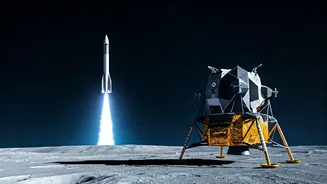
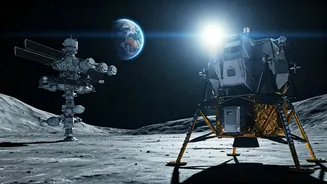
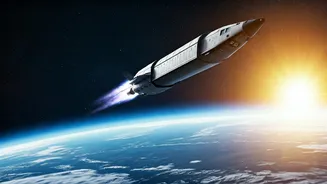
With the International Space Station (ISS) expected to retire around 2031, private industry is racing to build its replacement. [12] NASA is actively encouraging this transition, awarding contracts to support the development of commercial low-Earth orbit destinations. [12, 16] Companies like Axiom Space and Sierra Space are at the forefront of this effort. [15, 19] Axiom has already sent multiple private astronaut missions to the ISS, and Sierra Space is developing the Dream Chaser, a reusable spaceplane designed to land on conventional runways. [15, 22] Vast, another ambitious startup, is building its Haven-1 station, with a targeted launch in May 2026. [24] These commercial outposts are intended to become platforms for in-space research, manufacturing, and tourism. [12] The ambition doesn't stop in Earth's orbit. Both SpaceX and Blue Origin are developing massive lunar landers under contract for NASA's Artemis program, which aims to return humans to the Moon. [19, 22] This represents a fundamental shift in how exploration is funded, with the government acting as a customer purchasing a service rather than owning the hardware. [19]
An Economy Beyond Earth
The rapid expansion of the private space sector is about more than just rockets and exploration; it's about building a sustainable economy beyond our planet. The financial markets have taken notice, as evidenced by SpaceX's massive IPO and subsequent stock volatility. [5, 6, 21] The growth is fueled by diverse revenue streams. Satellite internet, dominated by SpaceX's Starlink, is already a multi-billion dollar business. [5] Other emerging sectors include in-space manufacturing, resource utilization on the Moon, and even advanced AI development funded by the immense capital flowing into the industry. [12, 6] This flurry of commercial activity has also spurred international competition and collaboration, with Europe, India, and other nations accelerating their own sovereign space capabilities to keep pace. [5, 13] The infrastructure being built today—from launch systems to commercial space stations—is laying the groundwork for a future where economic activity is no longer confined to Earth. [19]