



Understanding Bharat Stage Norms
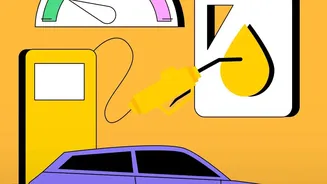
First, a quick refresher. Bharat Stage Emission Standards (BSES) are rules set by the Indian government to regulate the output of air pollutants from vehicle engines. Think of them as a progressively tightening ceiling on harmful gases like nitrogen oxides
(NOx), particulate matter (PM), and carbon monoxide (CO). India has been following these norms, based on European standards, since 2000. We made a significant leap in April 2020 by jumping directly from BS-IV to the much stricter BS-VI norms, which drastically cut down sulphur content in fuel and other pollutants. The introduction of BS-VII is the next logical step in this journey toward cleaner air.
Proposed vs. Effective: A Crucial Distinction
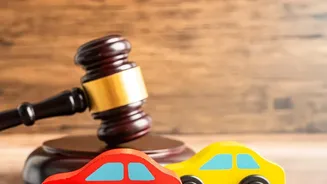
This is where many people get confused. When the government tables 'proposed' norms, as it has for BS-VII, it is essentially releasing a draft for public feedback. This draft, published by the Ministry of Road Transport and Highways (MoRTH), is open for comments and suggestions from stakeholders—including automobile manufacturers, environmental experts, and the general public—for a specific period, typically 30 days. After this consultation phase, the government considers the feedback, makes potential adjustments, and then publishes the 'effective' or final norms in the official gazette. This final version is legally binding and includes the definitive technical specifications and the exact dates from which they will be enforced. The rules aren't law until they are finalised.
What's New in the Proposed BS-VII Rules?
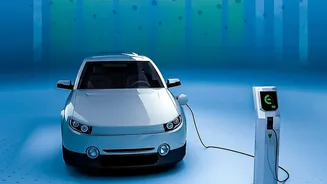
The proposed BS-VII norms represent a major philosophical shift. While BS-VI focused heavily on tailpipe emissions, the new proposal expands the definition of vehicular pollution. For the first time, it aims to regulate emissions from non-exhaust sources like brake dust and tyre wear. Furthermore, the draft includes standards for the durability of electric vehicle batteries, mandating they retain a certain percentage of their capacity over several years or kilometres. For instance, a proposed rule requires EV batteries to retain at least 75% of their capacity after five years or 100,000 km. Another key change is the increased focus on real-world performance, moving beyond just laboratory tests.
BS-VII vs. BS-VI: The Next Level of Scrutiny
While BS-VI was a massive leap, BS-VII aims to refine and expand upon it. The existing pollutant limits for carbon monoxide and nitrogen oxides remain largely the same for passenger cars. However, the real change is in how compliance is measured and monitored. The proposal introduces stricter Real Driving Emissions (RDE) tests, which use portable devices to measure pollution on actual roads, not just in controlled lab environments. It also proposes the mandatory installation of On-Board Monitoring (OBM) systems that continuously track emissions and can alert the driver if limits are exceeded. The proposed rules also aim to measure even finer particulate matter (down to 10 nanometres), targeting ultrafine particles that pose significant health risks.
What It Means for Consumers and Carmakers
For automakers, these changes mean significant investment in R&D to upgrade engines, emission control systems, and onboard diagnostic technology. Unlike the BS-VI transition, this shift is not expected to require major changes at fuel refineries. The increased technological requirements will likely translate to higher vehicle prices, though the exact impact is not yet clear. For consumers, the draft proposes an 'Environmental Vehicle Passport', a document providing clear data on a car’s emissions, fuel economy, and battery health, promoting greater transparency. Importantly, the proposed rules are not retrospective, meaning they will only apply to new vehicles manufactured after the implementation dates and will not affect existing BS-VI cars. The proposed rollout is phased, starting with passenger cars from April 2029.