




The Allure of Sculpted Waves
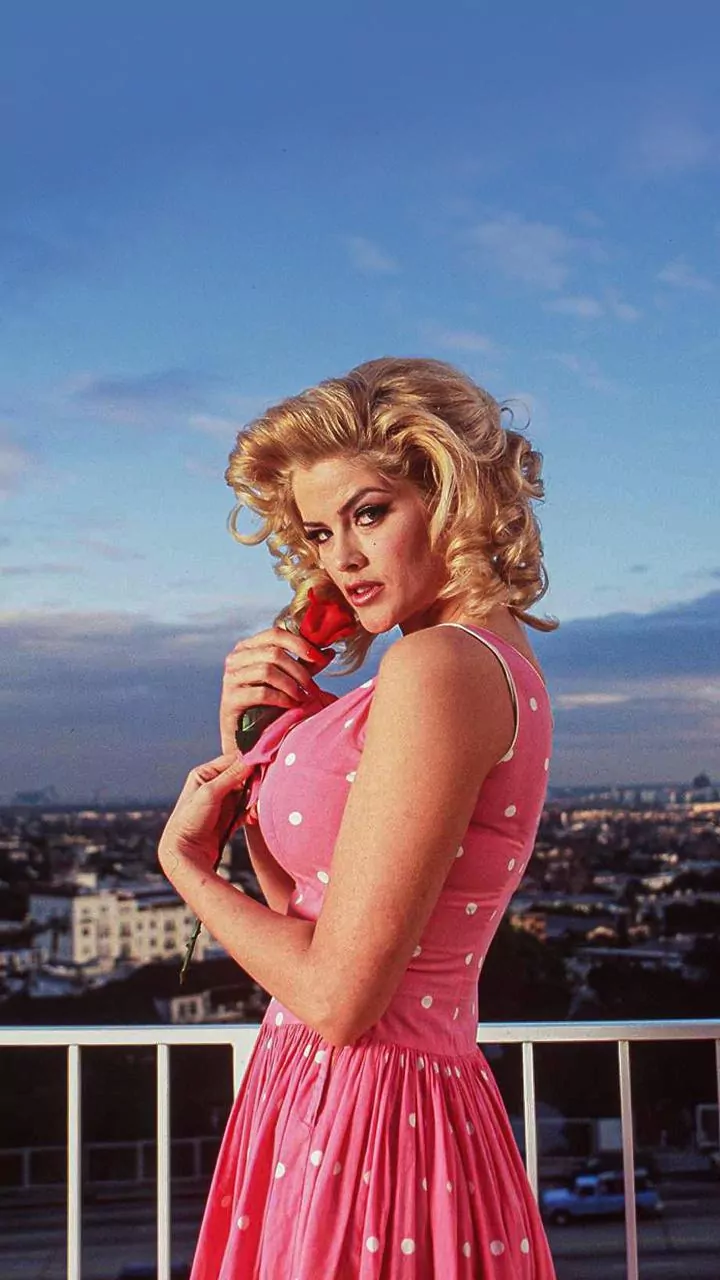
Old Hollywood hair is defined by its structure. Unlike today's popular beachy waves, these styles were intentionally sculpted and set to perfection. The goal was to create deep, uniform waves that framed the face, or voluminous rolls that added height
and drama. Icons like Veronica Lake, Lauren Bacall, and Rita Hayworth popularised looks that were glossy, controlled, and undeniably glamorous. This era, from the 1930s to the 1950s, relied on techniques like pin curling and wet setting. Today, we can achieve similar results with modern tools like curling irons, hot rollers, and high-hold styling products, making this classic elegance more accessible than ever. The key is understanding that these are not 'get up and go' styles; they require patience and a bit of technique to create a defined, lasting shape.
The Peek-a-Boo Wave
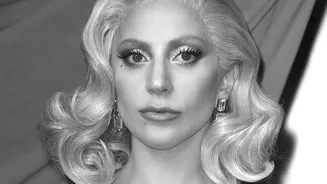
Made famous by actress Veronica Lake, the peek-a-boo wave is perhaps the most iconic Old Hollywood style. This look features a deep side part with a cascade of soft waves falling over one eye, creating an aura of mystery and allure. The style was reportedly so influential that during World War II, the U.S. government asked Lake to adopt a more practical hairstyle to encourage women in factories to do the same for safety reasons. To get this look today, start with a deep side part. Using a 1- to 1.5-inch barrel curling iron, curl sections of your hair in the same direction, away from your face on the fuller side. For that signature deep wave, you can pin each fresh curl to your scalp to let it cool and set completely. Once all curls are cooled, gently brush them out with a paddle or bristle brush until they merge into a cohesive 'S' wave. A light mist of hairspray will keep it in place without looking stiff.
Timeless Finger Waves
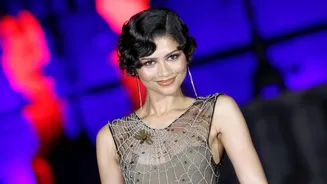
Finger waves were a hallmark style of the 1920s and 1930s, associated with silent film stars and flappers. This technique creates a series of 'S'-shaped waves that lie close to the head, offering a sleek and highly stylised look. While traditionally done on wet hair with a comb and fingers, modern adaptations make it more manageable. For a classic approach, start with damp, freshly washed hair saturated with a strong-hold gel or mousse. Using a fine-tooth comb, push a section of hair forward to create a ridge, place your finger on it, and then comb the hair below it back in the opposite direction. You can use clips to hold each wave in place as you work down the section. For a quicker, heat-styled version, you can use a small flat iron or a three-barrel waver to press the 'S' shape into dry hair, mimicking the pattern without the long drying time.
The Statement Victory Rolls
A popular style from the 1940s, victory rolls are cylindrical rolls of hair pinned on top of the head or framing the face. The name is believed to be linked to the victory rolls manoeuvre performed by fighter planes during World War II. To create this look, section off the hair at the front of your head where you want the rolls to sit. Backcomb the section at the roots to create volume and a stable base. Then, holding the section of hair straight up, loop the ends around your fingers and roll the hair inward towards your scalp, creating a tunnel shape. Once the roll is formed, secure it discreetly with bobby pins. You can create one large roll on top or two symmetrical rolls on either side of your part. The rest of your hair can be left down in soft waves or pinned back.
Bringing Vintage into Today
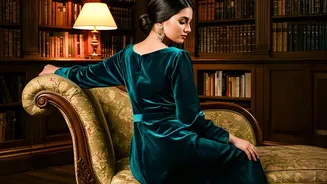
Incorporating vintage hairstyles into a modern wardrobe is easier than you might think. A sleek bouffant or a puffed-up hairstyle, popularised in India by actresses like Sharmila Tagore and Mumtaz, can add a regal touch to a saree or lehenga. Similarly, the iconic 'Sadhana cut', a soft fringe inspired by Audrey Hepburn and made famous by actress Sadhana Shivdasani, remains a timeless choice. These styles are not just for costume parties; a well-placed victory roll or a soft peek-a-boo wave can elevate a simple dress or even a casual outfit. Modern actresses on red carpets frequently draw inspiration from these classic shapes, proving their enduring appeal.