


A High-Stakes Antenna Swap
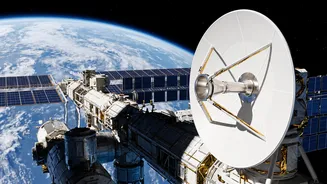
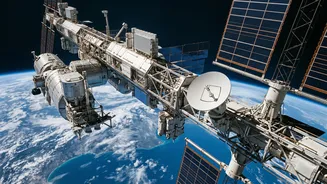
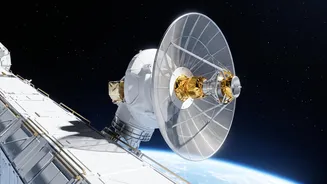
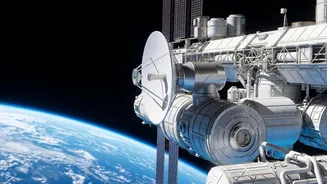
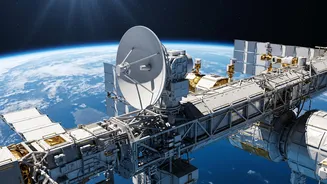
On August 25, NASA astronaut Anil Menon and his spacewalking partner, ESA astronaut Sophie Adenot, ventured outside the ISS for a gruelling six-and-a-half-hour mission. Their goal was to install a new Space-to-Ground antenna (SGANT), a vital piece of
hardware that enables high-speed communication between the orbiting laboratory and Mission Control on Earth. This mission, Menon's third Extra-Vehicular Activity (EVA), was the culmination of work that began on a previous spacewalk on August 18, where the duo removed the faulty antenna that had stopped working properly. Working with meticulous precision, Menon, positioned at the end of the 56-foot-long Canadarm2 robotic arm, and Adenot, tethered to the station, successfully mounted the spare antenna and connected it, restoring a key redundant link for the station's data and video streams.
Who is Anil Menon?
Anil Menon's journey to becoming a spacewalking astronaut is a story of incredible dedication. Born in Minneapolis, Minnesota, to immigrant parents from India and Ukraine, he has deep roots in both cultures, with family hailing from Kerala. Before being selected for NASA's 2021 astronaut class, Menon carved out a remarkable career. He is an emergency medicine physician who served as a flight surgeon in the US Air Force during Operation Enduring Freedom in Afghanistan. His experience in extreme environments also includes providing medical care to climbers at Mount Everest with the Himalayan Rescue Association. He later became SpaceX’s first-ever flight surgeon, where he helped build the company's medical program and supported its historic first human flights. Menon even spent a year in India as a Rotary Scholar to support polio vaccination efforts, underscoring a lifelong commitment to service.
Why This Spacewalk Matters
A spacewalk, or EVA, is one of the most physically and mentally challenging tasks an astronaut can undertake. For hours, they work in bulky, pressurized suits, facing extreme temperature swings from over 120°C in sunlight to -150°C in shadow. The antenna Menon and Adenot replaced is not just a convenience; it's a critical lifeline. It ensures a robust, high-speed connection for transmitting vast amounts of scientific data from the hundreds of experiments running on the ISS. It also carries voice communications and crucial telemetry about the station's health. When the original antenna failed, the station relied on its backup, losing important redundancy. Successfully installing the new unit restores this vital failsafe, safeguarding the station’s operational and scientific mission for the years to come.
Keeping an Ageing Wonder Alive
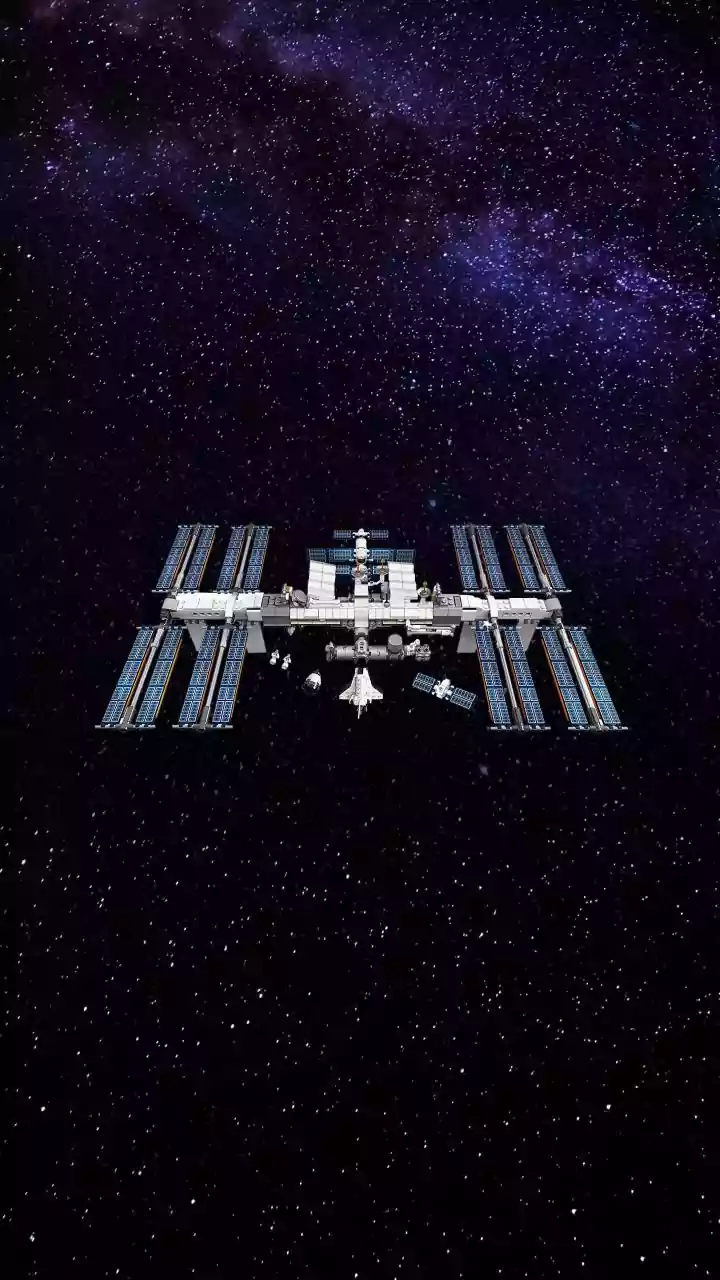
The International Space Station, a symbol of global collaboration, has been continuously inhabited for over two decades. Like any complex machine, it requires constant upkeep. Missions like this antenna replacement are part of a broader, ongoing effort to maintain and upgrade the station's systems, from power-generating solar arrays to the thermal control systems that keep it from overheating or freezing. Each successful repair and upgrade extends the life of the orbital laboratory, allowing it to continue serving as a unique platform for microgravity research. This research provides insights into human health, materials science, and Earth observation that are impossible to gain on the ground, paving the way for future long-duration missions to the Moon and Mars.