
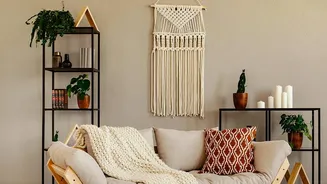
The Decline of the Monochromatic Look
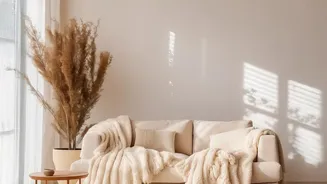
The reign of the all-beige, minimalist interior, sometimes dubbed the "sad beige aesthetic," is officially on the decline. For years, it was the go-to for creating a serene and seemingly luxurious space, popularised by social media and the quiet luxury
trend. However, designers and homeowners are now finding that a space drenched only in beige can feel predictable, flat, and devoid of personality. The collective craving for homes that feel more expressive, warm, and personal has sparked a rebellion against one-dimensional decorating. The world has changed, and with it, our desire for what makes a space feel truly comforting. The consensus for 2026 is that while calmness is still key, it no longer has to be boring.
The New Case for Layered Neutrals
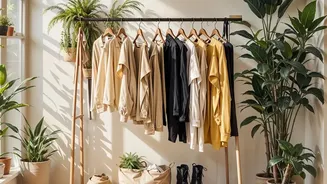
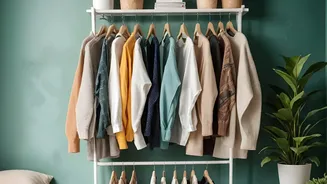
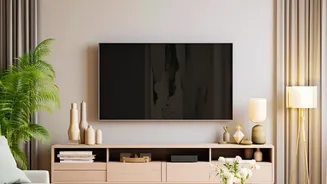
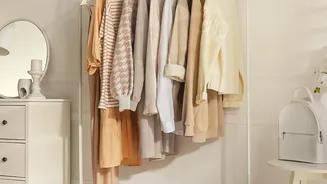
This trend reversal doesn't mean banishing beige entirely. Instead, it’s about evolving from a single, flat neutral to a sophisticated, layered palette. Layered neutrals involve combining various neutral tones—think cream, taupe, greige, charcoal, and warm browns—to create a room with depth and character. The key is to mix different shades and undertones. You can pair warmer beiges with cooler-toned greys or blues to add balance and visual interest. This approach provides the same calming foundation as a monochromatic scheme but feels richer, more intentional, and far more dynamic.
It's All About Texture and Material
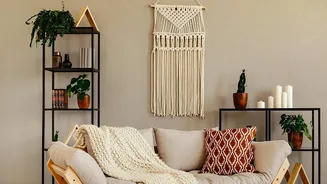
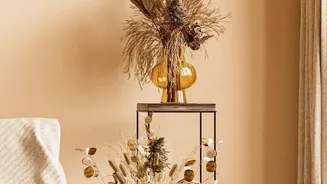
Perhaps the most crucial element in modern neutral decorating is texture. When a colour palette is subtle, texture does the heavy lifting to prevent the room from feeling bland. An effective layered neutral scheme incorporates a rich variety of materials. Imagine pairing a soft bouclé sofa with linen curtains, a jute rug, a dark wood coffee table, and brushed brass fixtures. Each material reflects light differently and adds a distinct tactile quality, creating a sensory experience that colour alone cannot. Natural elements like stone, wood, and woven fibres are essential for grounding a neutral space and connecting it to the outdoors, tapping into the enduring appeal of biophilic design.
Introducing Muted Colours and Contrast
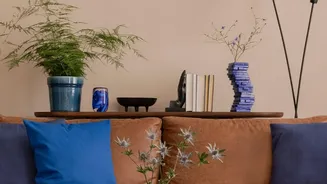
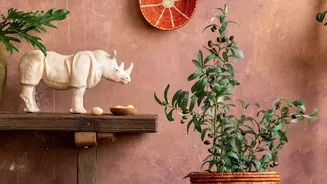
The new way with neutrals confidently incorporates muted, earthy colours. These aren't loud, jarring hues but rather sophisticated tones that act as part of the neutral family. Designers are turning to soft, earthy greens like sage and olive, dusty blues, rich cola browns, and even complex shades like mauve and butter yellow. These colours add personality without disrupting the room's serene atmosphere. Another powerful tool is contrast. Adding pops of black or deep charcoal through picture frames, light fixtures, or a single piece of furniture can ground a light-toned room and give it a modern edge.
How to Evolve Your All-Beige Room
Updating an existing beige room doesn't require a complete overhaul. You can start small by introducing new textures through cushions and throws in varied materials like velvet, linen, or chunky knits. Consider adding a rug that pulls in a few different neutral shades or a subtle pattern. Swap out a beige art print for something with muted greens, blues, or terracotta tones. A statement piece, like a dark wood accent chair or a navy blue cabinet, can instantly add depth. Even painting a single accent wall or an interior door in a complementary colour like a soft sage or a warm greige can dramatically shift the room's energy.