
The Monsoon Effect: Why Food Spoils Faster
The primary reason food spoils more quickly during the monsoon is the combination of high humidity and ambient temperature. This damp, warm environment is ideal for the rapid growth of microorganisms like bacteria, mould, and yeast. In drier weather,
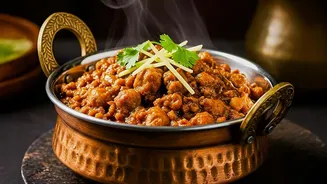
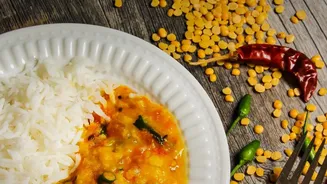
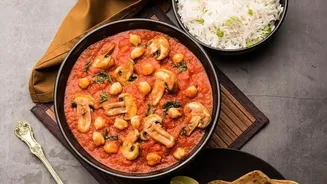
a cooked dish might be fine on the countertop for a few hours, but during the monsoon, the same dish can become unsafe much faster. High moisture in the air can make dry goods like biscuits soggy and cause spices to clump, while wet dishes like curries and dals become susceptible to bacterial contamination.
Cooling Down: The Critical First Step
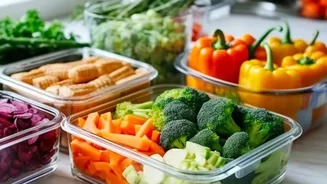
How you cool your food is just as important as how you cook it. Never leave cooked food to sit at room temperature for more than two hours; in very hot and humid conditions, this window shrinks to just one hour. Putting a large, hot pot directly into the refrigerator is also a mistake, as it can raise the internal temperature of the fridge, putting other foods at risk. The best practice is to divide large batches of food into smaller, shallow containers to increase the surface area and help them cool down faster. You can also place the container in an ice water bath to speed up the process. Food should be cooled before it goes into the fridge.
Smart Storage for Maximum Freshness
Once cooled, proper storage is your next line of defence. Always use clean, dry, airtight containers. This prevents moisture from getting in and stops the food from absorbing odours from other items in the fridge. Keep your refrigerator temperature at or below 4°C. Organise your fridge by keeping raw meat, poultry, and seafood on the bottom shelf in sealed containers to prevent their juices from dripping onto and contaminating ready-to-eat foods. Don’t overfill your fridge, as this restricts air circulation, which is necessary for keeping everything properly cooled.
Reheating Right: The Rules for Safety
When it's time to eat your leftovers, reheating them correctly is crucial to kill any bacteria that may have developed. Whether you're using a microwave, stovetop, or oven, the goal is to bring the food to an internal temperature of 74°C (165°F). A food thermometer is the only way to be sure. For soups, sauces, and gravies, bring them to a rolling boil. If using a microwave, cover the food, and stir it midway through to ensure there are no cold spots where bacteria can survive. It's also a good habit to only reheat the portion you plan to eat, as reheating food multiple times can degrade its quality and increase health risks.
When in Doubt, Throw It Out
Your senses are a good first check, but they aren't foolproof. Harmful bacteria don't always produce a bad smell or change the food's appearance. However, you should always discard food that shows obvious signs of spoilage. Look for changes in colour or texture, an unpleasant odour, or the presence of mould. Mould on hard foods like hard cheese can sometimes be cut away, but on soft and porous foods, its invisible roots can spread far beyond what you can see. It's never worth risking food poisoning. Following the simple rule—when in doubt, throw it out—is the safest approach.