


The Seasonal Advantage
Your first and most powerful tool for a budget-friendly Varkala experience is timing. The peak tourist season runs from October to March, when the weather is pleasant and prices for everything are at their highest. However, if you are planning a long-term
stay, consider arriving during the shoulder months or the off-season (April to September). August, for instance, is in the midst of the monsoon. While you'll experience rain, the coast is lush and green, the crowds are gone, and landlords are far more willing to negotiate prices on long-term rentals. Travelling during this period can significantly lower your biggest expense.
Finding Your Coastal Abode
Forget expensive resorts. The key to affordable living in Varkala lies in homestays, guesthouses, and long-term rentals. For a month-long stay, looking for a place away from the main North Cliff can yield significant savings. A basic non-AC room or a small apartment can be found for a fraction of the nightly tourist rates, especially if you negotiate for a monthly deal. Hostels are another great option for solo travellers, with dorm beds available for as low as ₹500 per night. When searching, look for places with a small kitchenette. The ability to cook even simple meals will drastically cut down your daily expenditure.
Eating Well on a Shoestring
The cliff-top cafes with their panoramic sea views are alluring, but eating there daily will quickly drain your wallet. A meal at a cliff restaurant can cost between ₹300 and ₹500. For a sustainable budget, live like a local. Venture into Varkala town, just a short walk or scooter ride away, where you can find delicious Kerala meals for a fraction of the price. A vegetarian thali at a local eatery can cost as little as ₹120-₹150 and is often unlimited. Stock up on fresh fruits, vegetables, and fish from the local markets if you have cooking facilities. This not only saves money but also offers a more authentic taste of the region.
Getting Around for Less
Varkala is a town best explored on two wheels or on foot. Renting a scooter is the most popular and cost-effective way to get around for an extended stay. A monthly rental will be significantly cheaper than the daily rate, giving you the freedom to explore hidden beaches and nearby villages. For shorter distances, walking along the cliff path is a beautiful experience in itself. Local buses are also available for trips to nearby towns and are incredibly cheap, though less frequent. Use auto-rickshaws sparingly and always agree on a price before you start your journey.
Remote Work and Connectivity
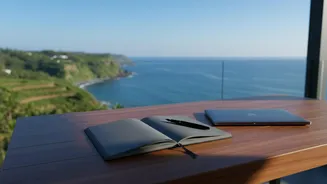
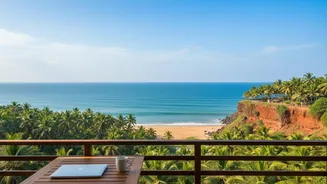
The 'remote' part of coastal living requires reliable internet. While many guesthouses and cafes offer free Wi-Fi, the speed and consistency can vary, especially during the monsoon season. For anyone depending on a stable connection for work, it's wise to have a backup. Investing in a good mobile data plan is essential. Major Indian telecom providers have decent coverage in the area. This ensures you can stay connected and meet your work deadlines without being tethered to a single cafe with potentially patchy Wi-Fi.
Leisure Without the Splurge
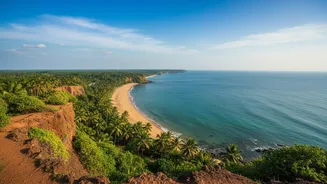
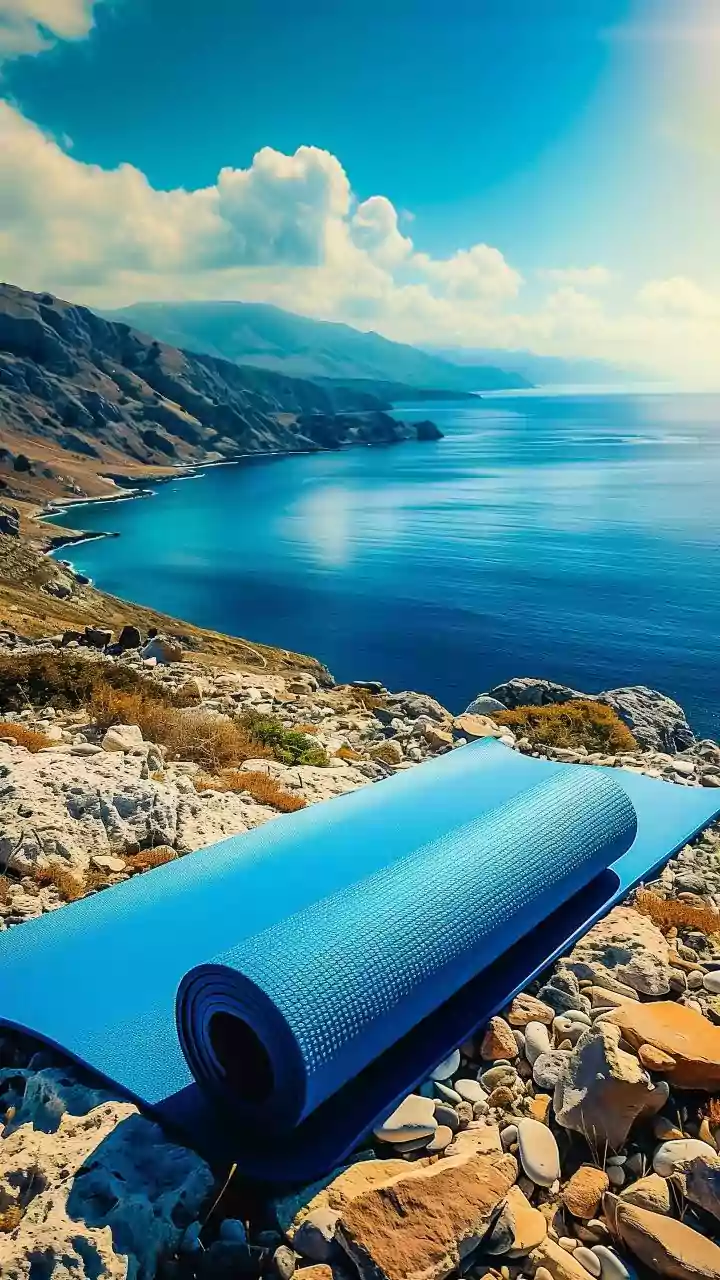
The best things in Varkala are often free. Enjoying the sunrise and sunset from the cliff, swimming at Papanasam or Odayam beach, and exploring the temple town doesn't cost a rupee. Instead of paying for expensive yoga retreats, you can find local teachers offering drop-in classes for a few hundred rupees. Exploring the local fishing villages or taking a walk to the serene Kappil Beach are other low-cost activities. The essence of Varkala living is in its simplicity, and your leisure time can reflect that without feeling like you're missing out.