




From Humble Staple to Status Symbol
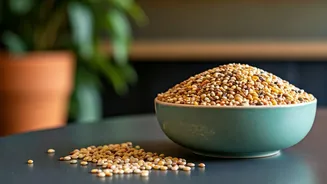
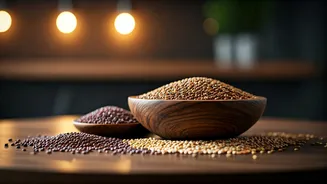
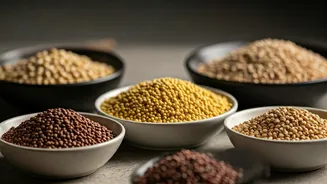
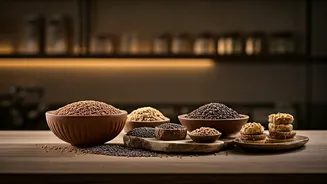
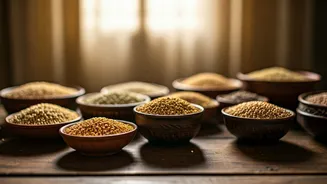
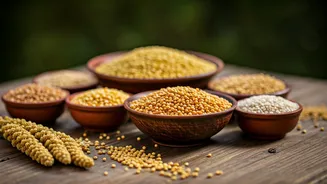
For generations, millets like jowar (sorghum), bajra (pearl millet), and ragi (finger millet) were humble dietary staples, often associated with rural or traditional lifestyles. After the Green Revolution, mass-produced grains like rice and wheat took
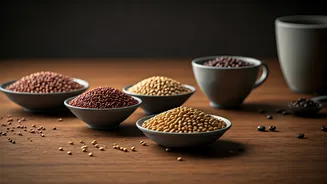
centre stage, and millets were sidelined. Their consumption in urban India plummeted. Fast forward to today, and these very grains are experiencing a remarkable revival. They are now appearing on the menus of chic urban cafes and restaurants across cities like Bengaluru, Delhi, and Mumbai. This isn't just a return; it's a re-branding. Once seen as coarse and old-fashioned, millets are now positioned as premium, wholesome, and aspirational.
Why Millets, Why Now?
Several factors are driving this millet renaissance. Firstly, there's a massive shift in urban health consciousness. Consumers are moving beyond simple calorie counting to understand what their food actually does for their body. Millets are a nutritional powerhouse—naturally gluten-free, high in fibre, protein, and essential minerals like iron and calcium. They have a low glycemic index, which helps manage blood sugar levels, making them ideal for a population facing a rise in lifestyle diseases. Secondly, the 'International Year of Millets' in 2023, an initiative led by India and supported by the UN, created a significant buzz, encouraging chefs and consumers alike to rediscover these grains. Lastly, there's a growing appreciation for sustainability. Millets are hardy, drought-resistant crops that require up to 70% less water than rice, making them an environmentally conscious choice.
What's on the Brunch Menu?
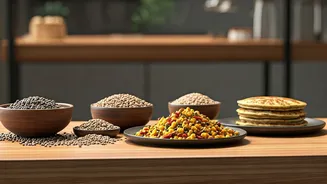
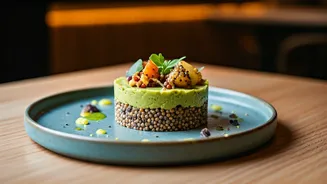
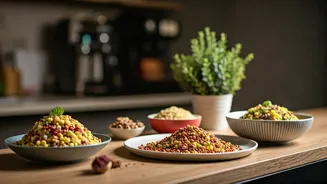
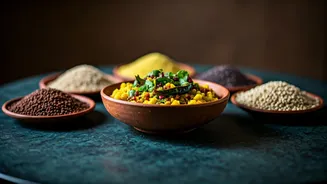
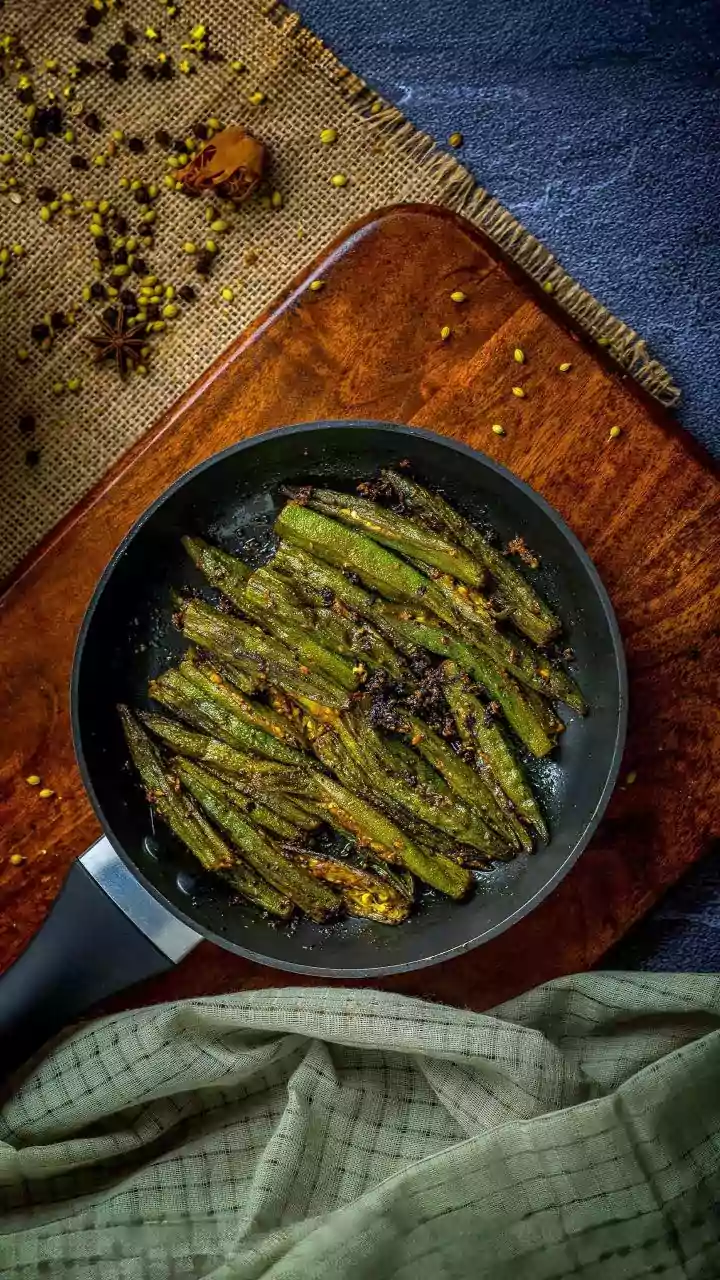
The new millet brunch is anything but bland or traditional. Chefs are creatively incorporating these grains into modern, globally inspired formats that appeal to urban palates. Instead of just porridge or flatbreads, you'll find fluffy ragi pancakes with banana and honey, foxtail millet upma that's lighter than its semolina counterpart, and savoury bajra khichdi served with a dollop of ghee. Cafes are serving everything from millet-based pizzas and pastas to brownies and cookies. You might find a 'Millet Podi Dosai', a 'Spinach Pearl Millet Risotto', or even a 'Finger Millet Papdi Chaat'. These dishes successfully merge the familiar comfort of brunch classics with the nutritional benefits and unique, nutty flavours of millets, making healthy eating a delicious and enjoyable experience.
The 'Flex' Factor Explained
Choosing a millet brunch is more than just a dietary decision; it's a statement. In a world saturated with global food trends like quinoa and kale, opting for indigenous grains like ragi and jowar is a way of showcasing a connection to one's roots while embracing modern wellness. It signals that you are a conscious consumer—someone who cares about personal health, environmental sustainability, and local food systems. It's a flex because it demonstrates knowledge and intentionality. You're not just eating; you're making an informed choice that aligns with a value system of mindful, sustainable living. As cafes and restaurants continue to innovate, ordering a millet-based dish has become a quiet nod to being in-the-know, a subtle display of cultural and nutritional literacy that goes far beyond just what's on your plate.