
A New Window on Cosmic Nurseries
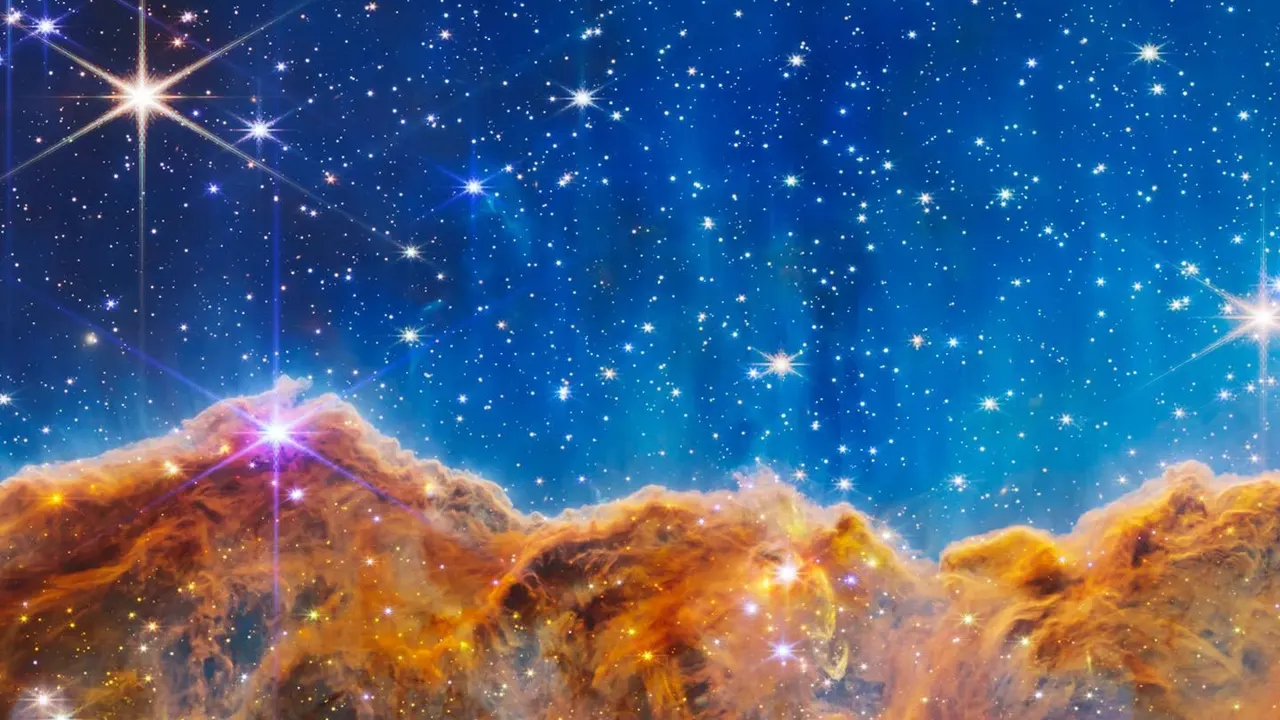
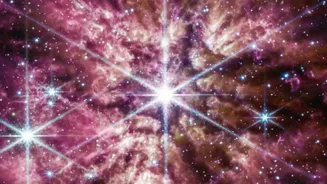
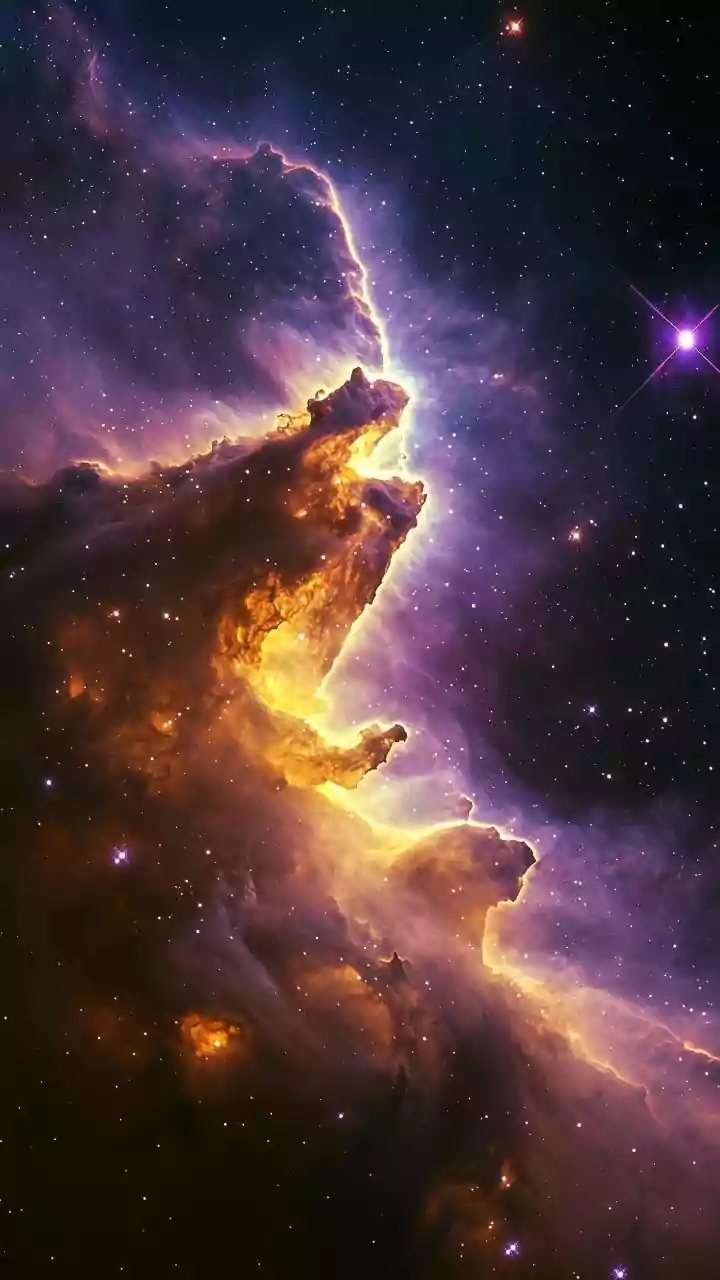
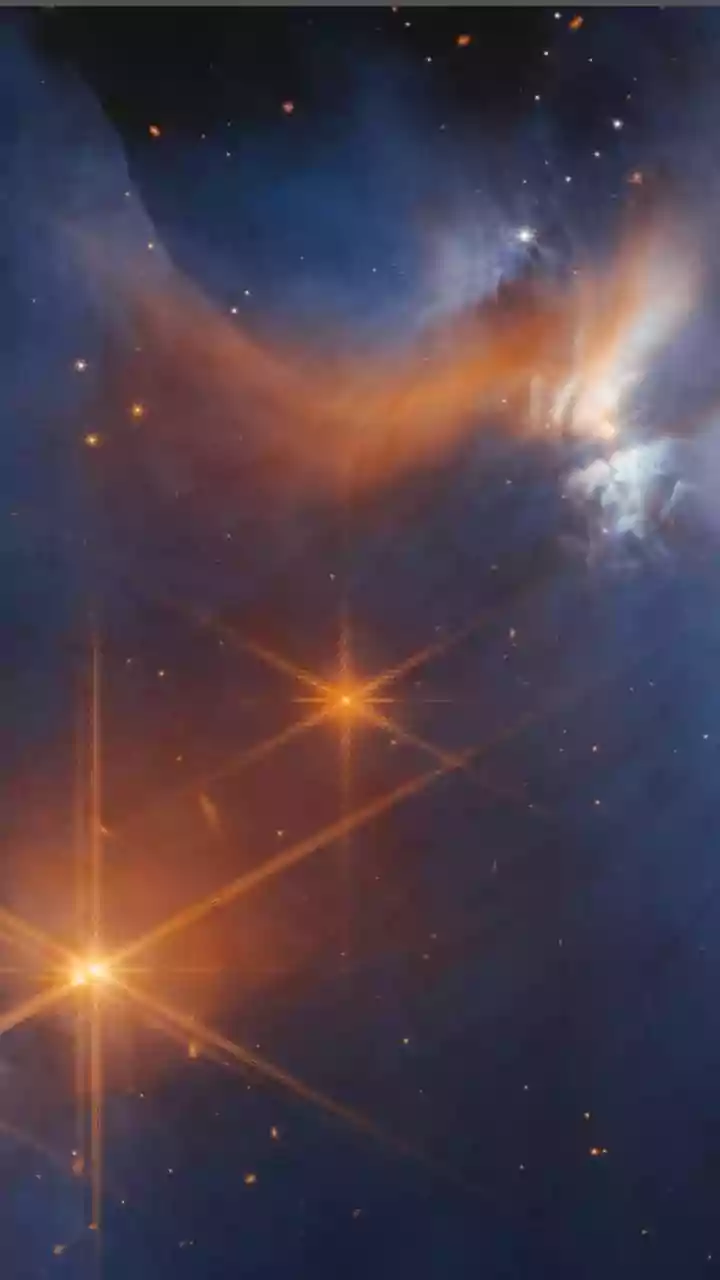
The latest dispatches from the James Webb Space Telescope have left astronomers breathless. Magnificent new images of regions like the Serpens Nebula and the FS Tau star system showcase the very beginnings of new stars with unprecedented clarity. Where
the Hubble Space Telescope saw opaque clouds of gas and dust, Webb sees through the veil, revealing the fiery hearts of protostars—infant suns just beginning to gather mass and ignite. These images are not just pretty pictures; they are detailed maps of creation. We can now see bright, clumpy regions where dense pockets of gas collapse under their own gravity, and witness the dramatic outflows and jets of material being blasted into space by these young, energetic stars.
The Superpower of Infrared Light
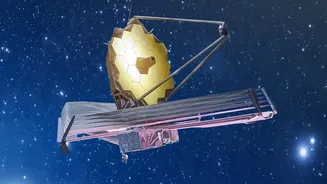
How is Webb capturing these scenes that were previously hidden? The secret lies in its mastery of infrared light. Star formation happens inside extremely cold, dense molecular clouds that are opaque to visible light, the kind our eyes and telescopes like Hubble primarily see. These dust clouds act like a thick fog. However, infrared light has a longer wavelength that can penetrate this cosmic dust, allowing Webb to see the heat signatures of the protostars forming within. Its suite of advanced instruments, including the Near-Infrared Camera (NIRCam) and Mid-Infrared Instrument (MIRI), are kept incredibly cold by a massive sunshield, preventing the telescope's own heat from interfering with the faint signals from the early universe. This technological marvel allows us to effectively look back in time and witness processes that occurred long ago and far away.
Rewriting the Story of Star Birth
These observations are already reshaping long-held theories about how stars are born. For instance, recent images of the Serpens Nebula showed multiple jets from young stars all aligned in the same direction. Astronomers have long assumed that as a large cloud collapses, the stars born from it would tend to spin in the same direction, but this is the first time it has been observed so directly. This provides a historical record of the fundamental way stars form. Furthermore, by analyzing the light with its onboard spectrographs, Webb can identify the chemical composition of these stellar nurseries, finding diverse ices and complex organic molecules that are the building blocks for future planets. Scientists can now study how water transitions from ice to vapor near a young star, a critical process for creating environments where habitable planets might one day form.
From Cosmic Dawn to Planetary Systems
Webb's mission extends beyond just individual stars; it's about understanding the entire cosmic story. Some of its most profound discoveries involve peering into the 'cosmic dawn'—the epoch just a few hundred million years after the Big Bang when the very first stars and galaxies were lighting up the universe. By capturing the highly redshifted light from this era, Webb has found that early galaxies were surprisingly bright and more common than models predicted. This suggests star formation may have kicked into high gear much faster than previously thought. Back in our own galactic neighborhood, other Webb studies are showing that planet formation is a frantic race against time, as the gas and dust in the disk around a young star gets blown away by stellar winds and jets. Jupiter-like gas giants must form quickly before their raw materials disappear.