





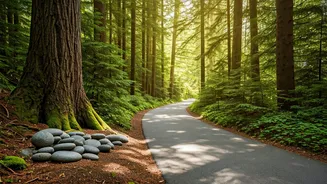




The Rise of Silent Walking
What started as a personal routine for TikTok creator Mady Maio has blossomed into a global wellness movement. Termed "silent walking," the practice is exactly what it sounds like: walking for a designated period, typically 15 to 30 minutes, without any
distractions. That means no music, no podcasts, no phone calls, and ideally, no company. The goal is to disconnect from digital input and reconnect with your own thoughts and your surroundings. It’s a deliberate act of choosing presence over productivity or entertainment, turning a simple walk into a moving meditation.
Why It's Resonating Now
The appeal of silent walking lies in its profound simplicity and accessibility. In an era of expensive gym memberships and complex wellness gadgets, this trend is free, requires no special equipment, and can be done almost anywhere. It taps directly into a growing collective desire for a digital detox and a break from the relentless pace of modern life. Many people are discovering that the constant background noise they live with—both audible and mental—contributes to feelings of anxiety and burnout. Silent walking offers a practical, low-stakes way to carve out a pocket of peace, allowing the mind to wander, process, or simply be still.
The Science-Backed Benefits
This trend isn't just a fad; it’s grounded in established science. Brisk walking is a well-documented cardiovascular exercise that improves heart health, strengthens bones, and releases endorphins, which naturally elevate your mood. When you pair this with the principles of mindfulness—paying attention to the present moment without judgment—the benefits multiply. Studies on mindfulness have shown its effectiveness in reducing stress, anxiety, and symptoms of depression. By focusing on the rhythm of your steps, the sensation of the air on your skin, or the sounds of nature, you are practising a form of mindfulness that can lower cortisol levels and promote a sense of calm and clarity.
How to Start Your First Silent Walk
Getting started is incredibly easy. First, choose a route. A park, a quiet neighbourhood street, or a nature trail is ideal, but even a walk around the block works. Next, decide on a duration. If you're new to it, start small with just 10 or 15 minutes. Set a timer so you aren't tempted to check your phone. The most crucial step is to leave your distractions behind. Put your phone on silent and keep it in your pocket, or better yet, leave it at home. Resist the urge to put in your earbuds. Your only job is to walk and be present.
Tips for a Successful Practice
Your mind will almost certainly wander, and that's okay. The point isn't to have a perfectly empty mind, but to gently guide your attention back to the present when you notice it drifting. If you get bored or restless, try engaging your senses. What are five things you can see? Four things you can feel (the breeze, the ground under your feet)? Three things you can hear? This sensory grounding technique can help anchor you in the moment. Don't judge your walks; some will feel profound and others will feel frustrating. The key is consistency. Treat it as a small gift of time you give to yourself.