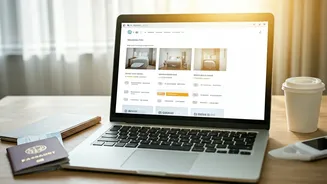









Understanding the 'Crowd' in Crowdsourced
The core strength of modern booking portals lies in their communities. When a platform is 'crowdsourced,' it means the information you see is built by fellow travellers. This isn't just a marketing gimmick; it's your first and most important line of defence.
Every review, rating, and user-submitted photo contributes to a collective intelligence report on a property. A host with hundreds of positive reviews over several years is a vastly different prospect from one with two glowing reviews from last week. This collective experience creates a transparent environment where quality and safety are rewarded with visibility, and bad actors are quickly flagged and buried. Your job as a smart traveller is to learn how to read this digital history.
How to Vet a Listing Like a Pro
Scrolling through pretty pictures is easy, but diligent vetting is what builds your shield. First, look for verified hosts. Most major platforms have a verification process that may involve ID checks, giving you an added layer of confidence. Next, dive deep into the reviews—and don't just read the five-star ones. Pay close attention to the three- and four-star reviews, as they often contain the most balanced feedback. Did a guest mention the neighbourhood was noisy? Was the Wi-Fi unreliable? These details help you build a realistic picture. Look for patterns. If multiple guests mention a specific issue, like a leaky tap or an inaccurate description, take it seriously. Also, scrutinise the host's responses to negative feedback. A defensive or dismissive host is a major red flag.
Your Financial Firewall: Never Pay Offline
This is a non-negotiable rule. The secure payment system integrated into platforms like Airbnb, Booking.com, or Agoda is a critical part of your protection. When you pay through the portal, your money is typically held in escrow and only released to the host 24 hours after you’ve successfully checked in. This gives you leverage. If you arrive and the property is not as described, unsafe, or double-booked, you can contact customer support to mediate the dispute and, in most cases, get a full refund. A host who asks you to pay via a direct bank transfer, UPI, or cash to 'avoid fees' is attempting to lure you away from this protection. Once you pay offline, the platform has no ability to help you, and you have virtually no recourse if things go wrong. Treat the platform's payment system as your financial firewall.
Pre-Booking Communication Is Key
Before you even click 'Book Now', initiate a conversation with the host through the platform's official messaging service. This serves two purposes. First, it allows you to ask clarifying questions that might not be covered in the listing. You can inquire about check-in flexibility, the exact location, or specific amenities. Second, and more importantly, it gives you a feel for the host's responsiveness and attitude. Are they polite and helpful? Do they respond promptly? A good host understands the importance of clear communication. This initial chat is like a mini-interview; it helps establish trust and ensures there are no surprises on arrival. Keeping all communication on the platform also creates a digital paper trail that can be referenced by customer support if a dispute arises later.
The Final Layer: On-the-Ground Diligence
While online portals provide a powerful shield, it doesn't end there. Once you arrive, your personal safety instincts take over. Before your host leaves, do a quick check of the doors and windows to ensure the locks are secure. Take a moment to familiarise yourself with the neighbourhood on a map. It’s always a wise practice to share your exact address and the host’s contact details with a friend or family member back home. Trust your gut. If something feels off or unsafe upon arrival, don't hesitate to leave and immediately contact the booking platform's customer service. Your safety is paramount, and the protection offered by the platform is designed to support you in precisely these situations.