




From Fast Fashion to Conscious Consumption
For years, the fashion narrative was dominated by global trends and rapid production cycles. But a growing awareness around sustainability and ethics is changing the conversation, especially among Millennial and Gen Z consumers in India. This demographic
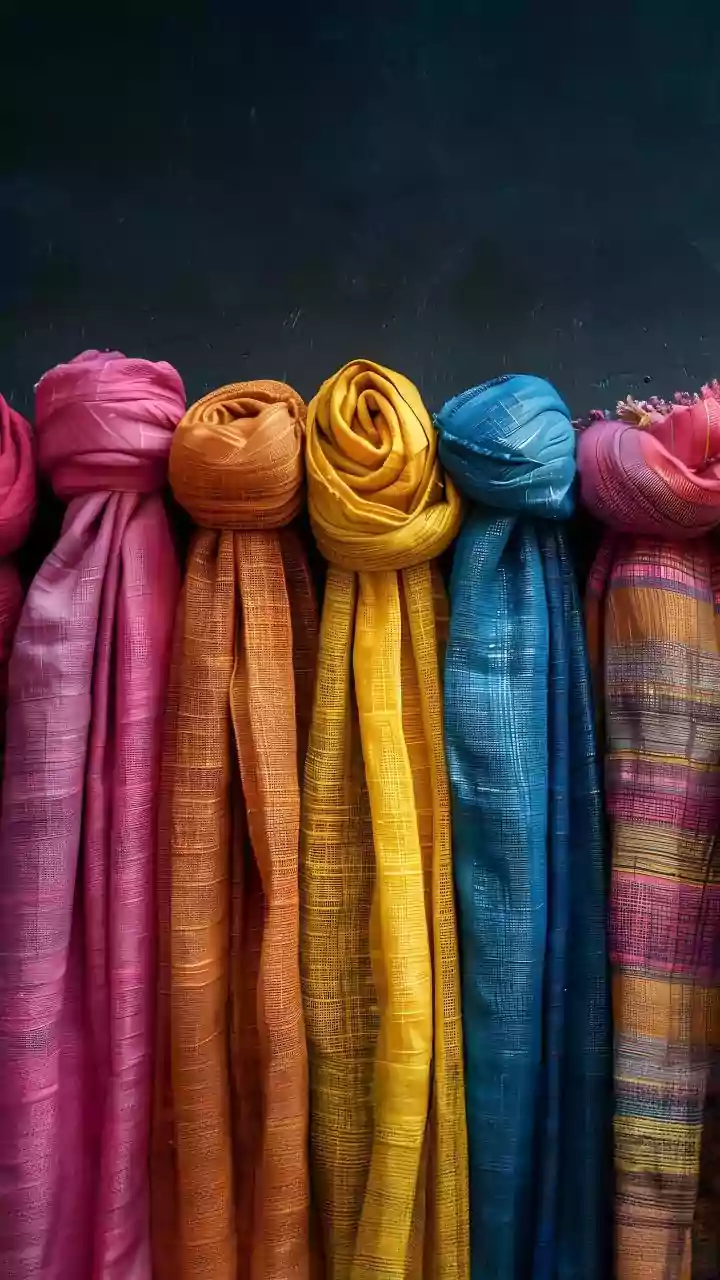
is increasingly asking critical questions: Who made my clothes? What is the environmental impact? This conscious consumerism has created a fertile ground for alternatives to flourish. The rejection of fast fashion's temporary and often identical offerings has led shoppers to seek out products with more character and a positive backstory. Many young consumers now associate sustainability with personal well-being, preferring natural, skin-friendly fabrics over synthetic alternatives.
The Power of Authenticity and Storytelling
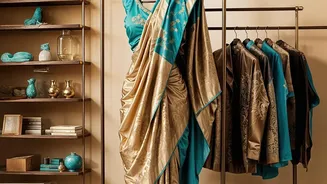
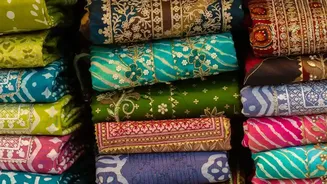
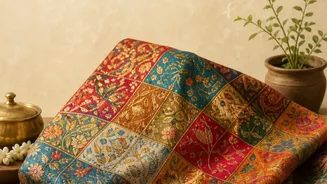
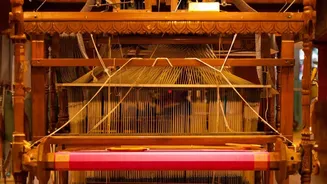
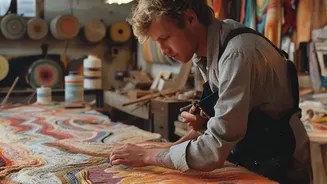
Artisan-led, direct-to-consumer (D2C) brands are thriving because they offer something mass-market players cannot: a genuine story. By cutting out the middlemen, these brands connect buyers directly with the craftspeople behind the products. Through compelling social media content, they showcase the intricate processes behind textiles like Ajrakh, Kalamkari, or Banarasi silk, turning a simple purchase into a personal connection. This narrative transforms the product from a mere commodity into a piece of cultural heritage. For a generation that uses fashion as an extension of their identity, owning a garment with a rich history and a transparent origin story is the new form of luxury.
Technology as the Great Equaliser
The rise of these artisan brands would be impossible without digital platforms. The D2C model, powered by e-commerce websites and social media, allows small enterprises and even individual weavers to bypass traditional retail gatekeepers and reach a national audience. Digital-first brands can control their own narrative, pricing, and customer relationships in ways that were previously unimaginable. For a generation that discovers and shops primarily through social media, this model is a perfect fit. Platforms like Instagram are not just marketplaces; they are discovery engines where the visual appeal and unique story of handcrafted textiles can capture a shopper's attention instantly.
Redefining 'Aspirational' for a New India
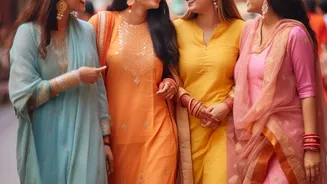
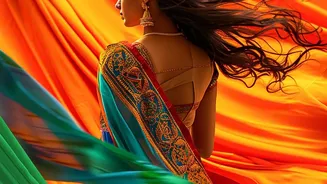
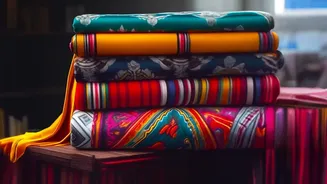
The definition of an 'aspirational' product is undergoing a fundamental change. For many young, urban Indians, the goal is no longer just to own an international brand. Instead, aspiration is increasingly tied to possessing items that are unique, culturally significant, and reflect personal values. Regional textiles, with their deep history and artisanal appeal, perfectly fit this new paradigm. Brands are successfully adapting traditional crafts into modern silhouettes—think block-printed dresses, Chikankari tops, and Ikat trousers—making heritage relevant for contemporary wardrobes. This blend of traditional techniques with modern design sensibilities is proving to be a winning formula.
A Boost for Artisans and Cultural Preservation
The impact of this trend extends far beyond urban wardrobes. By creating a direct channel to market, D2C brands are providing a vital economic lifeline to artisan communities across India. This model often ensures fairer wages and gives weavers and craftspeople the financial stability needed to keep their skills alive. As these crafts gain renewed appreciation and commercial viability, it fosters a sense of pride and encourages younger generations within these communities to continue the legacy. In essence, every purchase from these brands becomes a vote for the preservation of India's rich and diverse textile heritage.