




Start With a Space Audit
Before buying any new equipment, identify the best possible location for your drying zone. The ideal spot has good air circulation. This could be a covered balcony, a spare room, a wide hallway, or even a corner of your living room. Look for a place where
you can keep a window slightly ajar (when it’s not raining) or run a fan. Measure the floor and vertical space you can realistically dedicate to drying clothes without disrupting daily life. Remember, the goal is to centralize the drying process in the most efficient part of your home. Avoid damp areas like bathrooms or kitchens where humidity is already high. A well-ventilated spot is the foundation of a successful drying zone.
Choose the Right Drying Rack
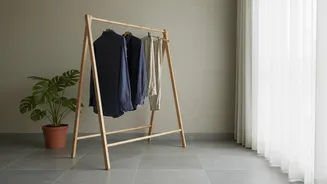
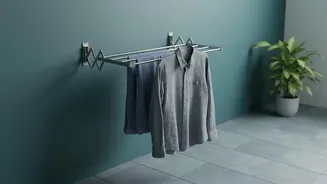
Your drying rack is the centrepiece of the zone, and the best choice depends entirely on your audited space. For most apartments, a floor-standing winged rack made of stainless steel is a versatile all-rounder; it holds a full wash load and can be folded away. If floor space is your biggest constraint, consider vertical options. Wall-mounted racks fold flush against the wall, taking up zero floor space when not in use. Ceiling-mounted pulley systems are another excellent space-saver, lifting clothes up towards the ceiling and out of the way. For smaller loads or homes, compact tiered or tripod racks are also effective. Focus on rust-resistant materials like stainless steel or powder-coated metal to ensure longevity in the damp monsoon air.
Master the Airflow Equation
The primary enemy of drying clothes indoors is stagnant, humid air. Your main goal is to keep air moving. The simplest way is to place a pedestal or table fan pointing towards your drying rack. Keeping it on a low setting is often enough to significantly speed up evaporation. If you have a ceiling fan in the chosen room, use it. When it's not actively raining, opening a window, even slightly, can create cross-ventilation that whisks moisture away. When hanging clothes, give each item space to breathe. Overloading the rack traps moisture and is a direct invitation for musty smells. Using hangers for shirts and tops can also improve airflow and reduce wrinkles.
The Dehumidifier Debate: Is It Worth It?
For those living in extremely humid areas, a dehumidifier can be a game-changing investment. Unlike a fan that just moves air, a dehumidifier actively pulls moisture out of it. This drastically lowers the room's humidity, allowing clothes to dry much faster and preventing the growth of mould and mildew that cause odours. To use it effectively, place the dehumidifier in a closed room with your drying rack. While there is an upfront cost and it uses electricity, it is more energy-efficient than a tumble dryer and gentler on fabrics. It turns any small room into a highly effective drying chamber, solving the monsoon laundry problem completely.
Refine Your Laundry Routine
A good drying zone is only half the battle; smart laundry habits are just as important. Start by using your washing machine’s highest spin cycle to remove as much excess water as possible before hanging. Avoid overloading the machine, as this prevents clothes from rinsing properly and leaves them wetter. Don’t let wet clothes sit in the machine for hours; hang them immediately to prevent smells from developing. For a final flourish against odours, consider adding a capful of white vinegar or baking soda to your wash cycle. These natural deodorizers help fight mustiness at the source without leaving a scent.
Keeping Wardrobes Fresh
Even perfectly dry clothes can pick up a musty smell if stored in a damp wardrobe. The fight against monsoon dampness extends to your storage. Ensure clothes are 100% dry before folding them away. To combat ambient humidity inside closets, place moisture absorbers. Simple bowls of rock salt or baking soda work well, as do commercially available silica gel packets. For a traditional approach, add camphor balls or dried neem leaves, which absorb moisture and act as natural insect repellents. Occasionally leaving wardrobe doors open for 15-30 minutes a day can also help improve air circulation and prevent stale smells.