


Choose a Theme and Teas
The first step is deciding which teas to serve. Aim for three to five different varieties to keep things manageable and prevent palate fatigue. A great approach is to select a theme. You could explore teas from a single country, like China or India, or taste
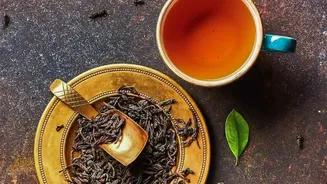
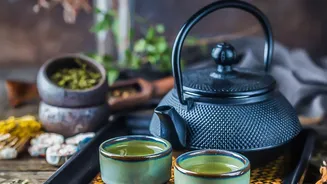
your way through different tea categories. A classic flight might include a white tea, a green tea, an oolong, and a black tea. This allows you and your guests to experience a wide spectrum of flavours, from delicate and floral to robust and malty. When selecting, opt for high-quality, loose-leaf teas, as they provide a much richer aroma and taste compared to standard tea bags.
Gather Your Essential Gear
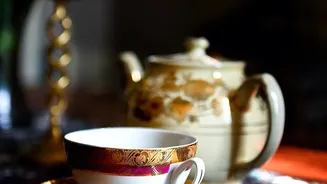
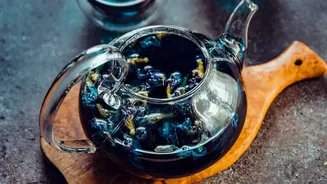
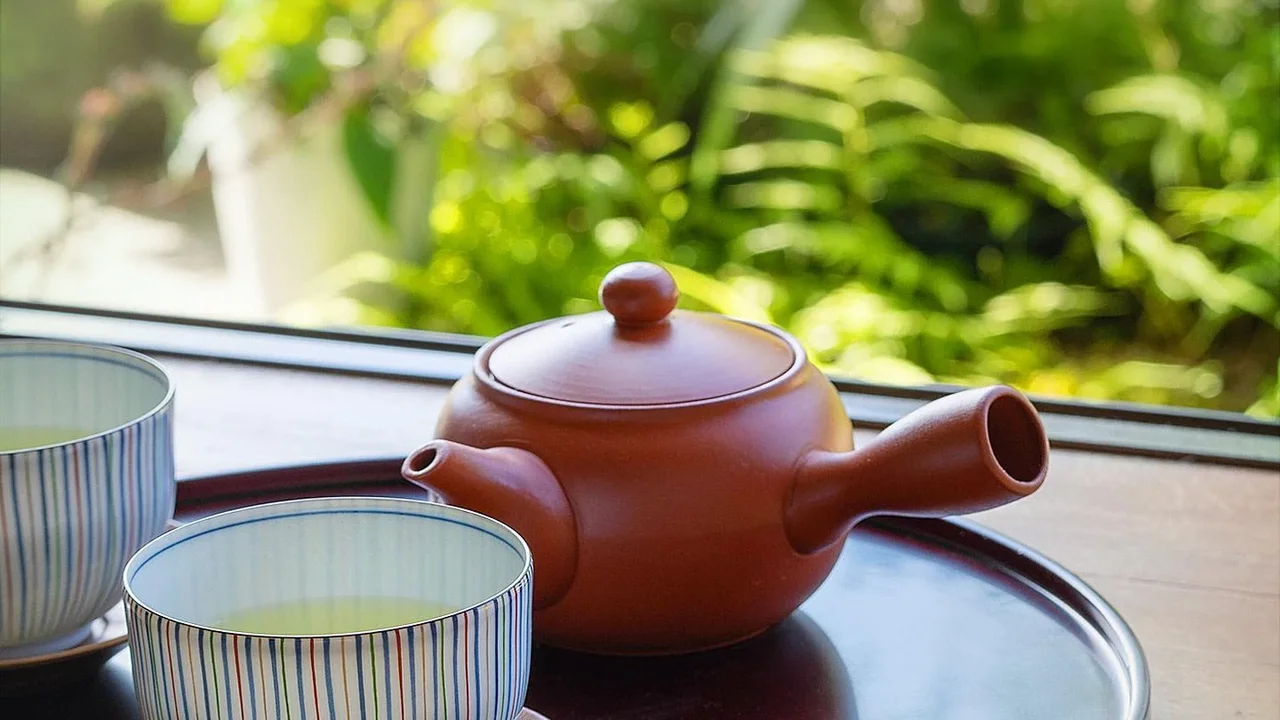
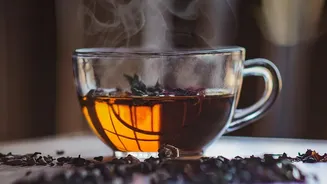
You don’t need a lot of fancy equipment to host a beautiful tasting. The essentials include a kettle (ideally with temperature control, as different teas require different water temperatures), a teapot or infuser for each tea, and tasting cups. Small, white porcelain cups are ideal because they allow guests to clearly see the colour of the brewed tea, also known as the liquor. You’ll also want a timer to ensure you don’t over-steep the leaves, which can lead to bitterness. Providing note cards and pens is a nice touch, allowing guests to jot down their thoughts on each tea's aroma and flavour.
Set a Relaxing Atmosphere
The goal is a 'relaxed' tasting, so the environment matters. Choose a comfortable space with good lighting where everyone can sit and chat easily. Avoid any strong competing scents, which means skipping scented candles or air fresheners that could interfere with the delicate aromas of the tea. Soft, instrumental background music can help create a calm and inviting mood. The focus should be on the sensory experience, so minimizing distractions will help everyone tune into the nuances of the teas.
Guide the Tasting Process
Tasting like a professional is a multi-sensory process, but you can keep it simple and fun. Guide your guests through four basic steps for each tea. First, look at the dry leaves and note their shape and colour. Second, once brewed, observe the colour of the liquor in the cup. Third, take a moment to smell the aroma of the wet leaves and the brewed tea. Finally, it's time to taste. Encourage a noisy 'slurp' — this aerates the tea and spreads it across the entire palate, revealing more complex flavours. Talk about what you're experiencing: is it sweet, earthy, floral? There are no right or wrong answers.
Offer Palate Cleansers and Simple Snacks
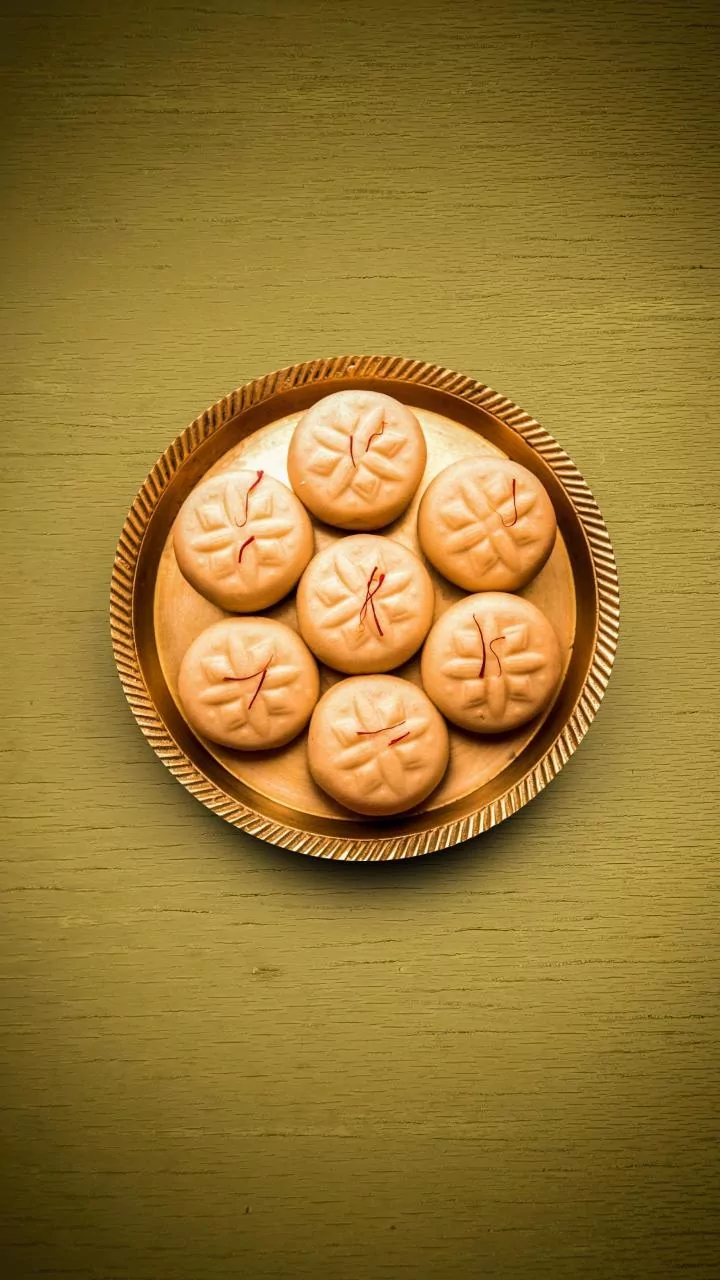
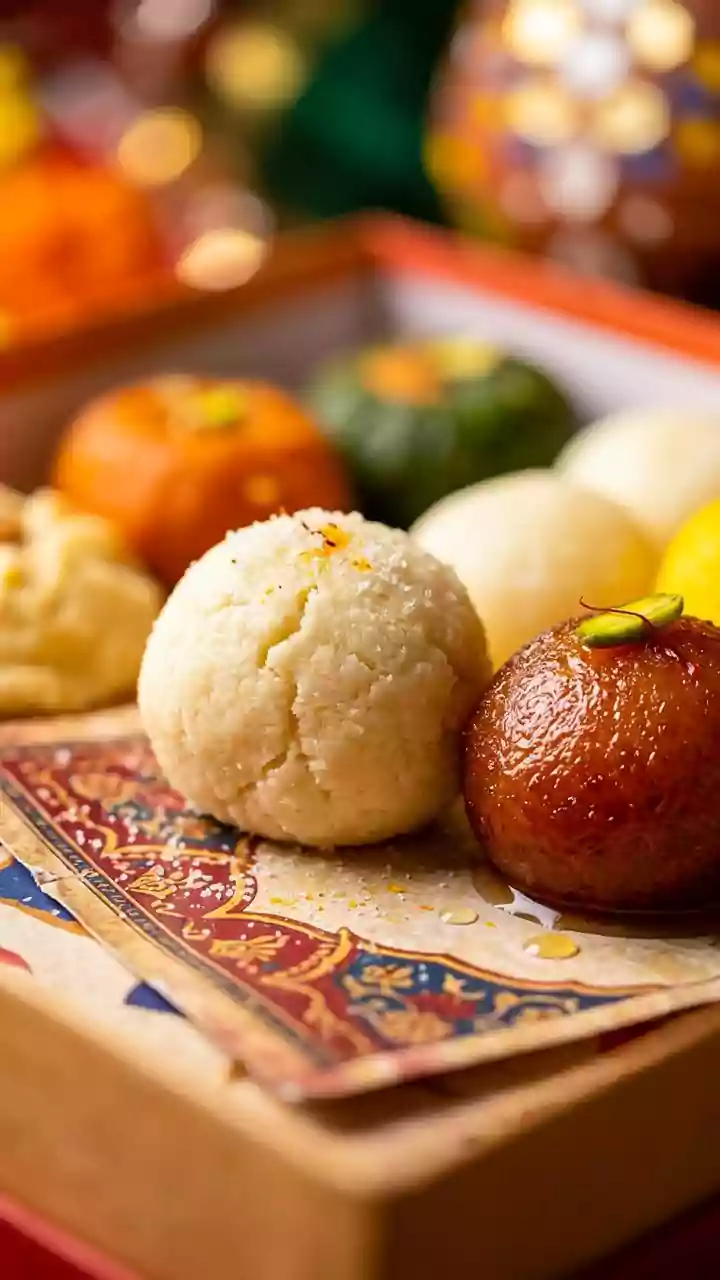
Between each tea, it's important to cleanse the palate. A sip of plain water is all you need, but you can also offer neutral-tasting snacks like plain crackers or simple water biscuits. This helps to 'reset' your taste buds so you can appreciate the unique character of the next tea. If you decide to serve more substantial food, it's often best to save it for after the tasting is complete, as strong flavours can overwhelm the subtleties of the tea. If you do offer pairings, think about complementary notes: light green teas go well with seafood or salads, while robust black teas can stand up to richer foods like chocolate or meat dishes.
Be a Guide, Not a Lecturer
Your role as host is to facilitate the experience, not to be a tea master. Share interesting facts you may have learned about each tea’s origin or processing style, as a little storytelling makes the tasting more engaging. Ask open-ended questions to encourage conversation, such as 'What does this aroma remind you of?' or 'Which one has been your favourite so far and why?'. The most memorable tastings are interactive and social. The aim is for everyone to leave having discovered something new and, most importantly, having had a wonderful time.