








The Golden Rule: Shop Small, Shop Often
While buying in bulk might seem convenient, it's a risky strategy during the monsoon. The increased moisture in the air accelerates spoilage, especially for perishable items. Instead of a large monthly haul, adapt to a weekly or bi-weekly shopping schedule.
This ensures the produce you bring home is as fresh as possible and reduces the chance of food waste. The core principle is simple: buy smaller quantities more frequently. This is particularly crucial for delicate foods that wilt and rot quickly in damp conditions.
Navigating the Market: A Guide to Smart Selection
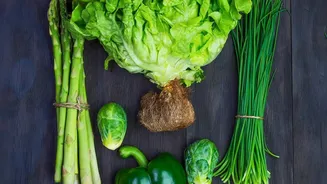
Your vigilance should begin at the market. Be extra selective about what goes into your shopping bag. Avoid pre-cut fruits and vegetables, as their exposed surfaces are highly susceptible to contamination. Opt for whole produce that you can wash and cut at home. When choosing leafy greens, inspect them carefully for signs of rot, wilting, or pests. They are notorious for harbouring germs and dirt, especially during the rains. For all vegetables and fruits, look for items that are firm, brightly coloured, and free from any bruises, cuts, or soft spots.
Handling Delicate and High-Risk Foods
Some foods require special attention during this season. Leafy greens like spinach and coriander should be washed thoroughly. Soaking them in a bowl of water with a bit of salt or vinegar for about 15 minutes before a final rinse can help eliminate germs. Mushrooms, which are highly porous, should be checked for sliminess and consumed quickly. Dairy products, meat, and seafood are also high-risk categories. Purchase these items only from reputable vendors, ensure they are stored in the coldest part of your refrigerator, and aim to use them within a day or two of purchase.
The Post-Shopping Ritual: Wash and Store Correctly
What you do after you get home is just as important as how you shop. Don't just dump your groceries in the fridge. Wash all produce thoroughly under clean, running water. After washing, it's critical to dry them completely with a clean cloth or paper towels before storage. Moisture is the enemy, so storing damp vegetables will only encourage mould growth. Use breathable bags or wrap leafy greens in paper towels before placing them in the refrigerator to absorb excess moisture and extend their freshness. Storing different vegetables separately also helps prevent cross-contamination and slows down spoilage.
Pantry Staples and Kitchen Hygiene
The monsoon's humidity affects dry goods too. Pests can become more common, and items like flour, rice, and spices can clump or spoil. Store these staples in airtight containers in a cool, dry place to protect them from moisture. Adding bay leaves or dried neem leaves to containers of lentils and grains can help deter pests. Maintaining kitchen hygiene is paramount. Regularly clean and disinfect kitchen surfaces, cutting boards, and utensils, using separate boards for raw meat and vegetables to prevent cross-contamination. A clean refrigerator is also essential, so make sure to wipe it down regularly to prevent the growth of mould and bacteria.