









First, Decode the Alert
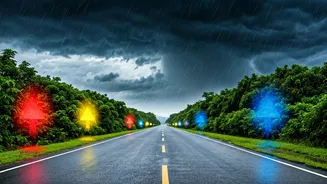
When an alert arrives, understanding its severity is the first step. Indian authorities like the India Meteorological Department (IMD) and Central Water Commission (CWC) use a colour-coded system to communicate risk. A 'Yellow' alert means 'Be Aware'
and suggests monitoring the situation as water levels are above normal but below the danger mark. An 'Orange' alert means 'Be Prepared', indicating a severe flood situation is likely, with water levels touching or crossing the danger level, potentially disrupting transport and power. A 'Red' alert is the most serious, meaning 'Take Action'. This is issued when water levels are expected to breach the highest recorded flood level, posing a significant threat to life and property.
Your Immediate Safety Checklist
Once you know the risk level, immediate action is crucial. First, secure your home. Move valuable documents, electronics, and furniture to higher floors if possible. Prepare for potential power outages by charging phones and power banks. To prevent contamination of your water supply, it's wise to fill bathtubs and clean containers with fresh water. If you live in a low-lying or vulnerable area, familiarise yourself with the nearest evacuation routes and shelters. Authorities often advise against unnecessary travel during orange and red alerts, so it's best to stay put unless an evacuation is ordered. Finally, check on neighbours, especially the elderly or those with mobility issues, to ensure they are also prepared.
Assemble a 'Go-Bag' Now
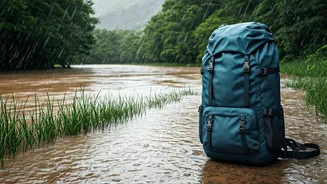
You may not have time to gather essentials during an emergency. A pre-packed 'go-bag' or emergency kit is a lifesaver. The National Disaster Management Authority (NDMA) advises that every household should have one. Your kit should contain a three-day supply of non-perishable food and water, a first-aid kit with any essential prescription medications, a battery-powered torch with extra batteries, and a whistle to signal for help. Also include copies of important documents (like Aadhaar, insurance policies, and property papers) in a waterproof bag, some cash, a change of clothes, and basic hygiene products. Having this ready means you can leave quickly if an evacuation becomes necessary.
When Travel Plans Go Under
Monsoon floods frequently disrupt travel, with trains delayed, flights cancelled, and roads submerged. As soon as an alert is issued for your route or destination, check with your airline or railway operator for the latest status. Many have flexible policies during severe weather events. If you have travel insurance, review your policy to see if you are covered for cancellations due to weather advisories. Avoid driving through waterlogged streets, as it is difficult to judge the depth of the water and hidden hazards like open manholes can be deadly. If you get stranded, find a safe, elevated place to wait and stay informed through official channels rather than relying on hearsay.
Staying Informed and Avoiding Misinformation
During a crisis, accurate information is as critical as a life raft. Rely on official sources for updates. The IMD and your state’s disaster management authority are the most reliable sources for weather warnings and safety instructions. Download official apps and follow their social media accounts for real-time alerts. Be wary of rumours and unverified videos that often circulate on social media, as they can cause unnecessary panic. Cross-check any alarming information with official sources before sharing it. Staying calm and well-informed allows you to make rational decisions for the safety of yourself and your family.