


Understanding the Tirthan Ethos
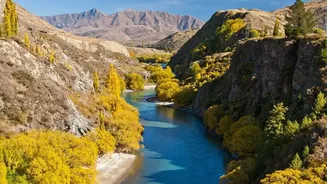
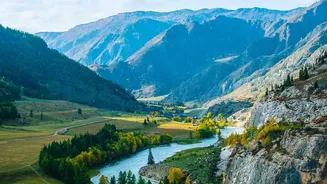
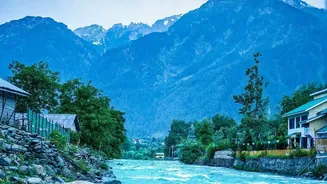
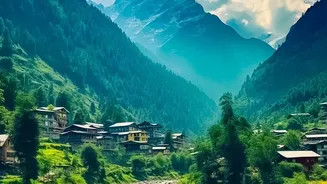
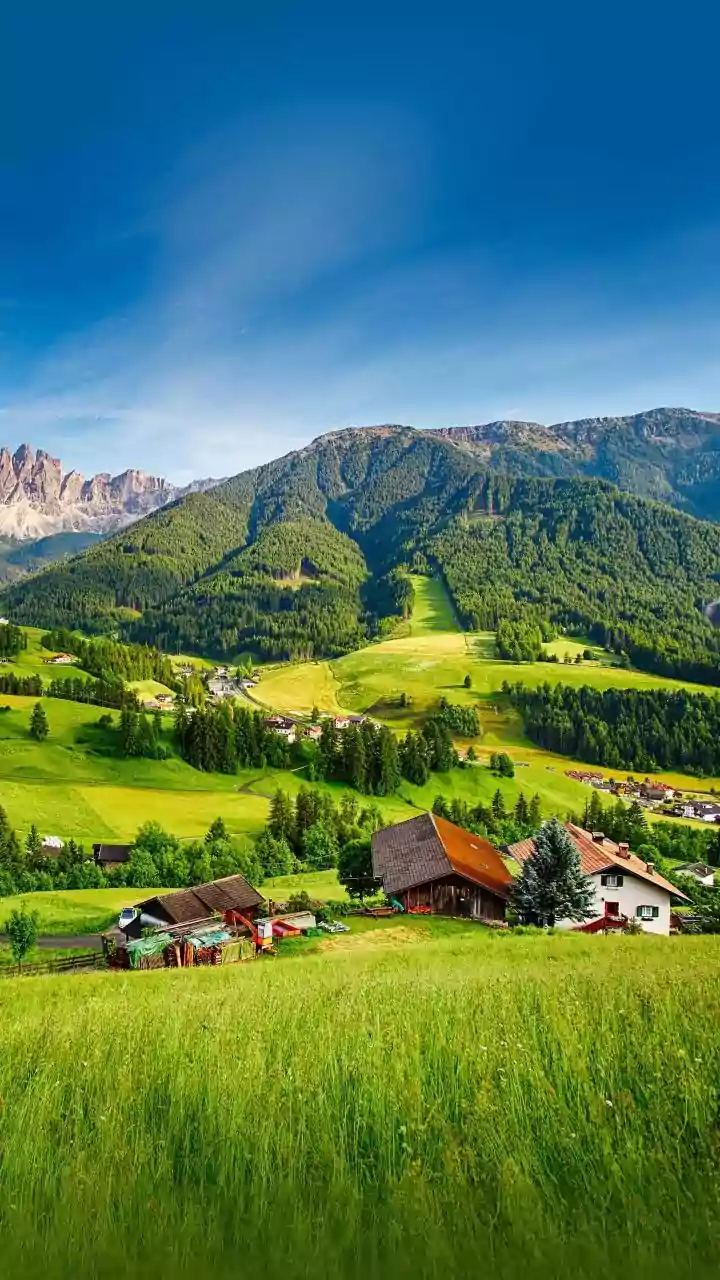
Tirthan Valley, part of the Great Himalayan National Park's buffer zone, is celebrated for its commitment to eco-tourism. Unlike commercialised destinations, its charm lies in pristine landscapes, the crystal-clear Tirthan River, and a network of villages
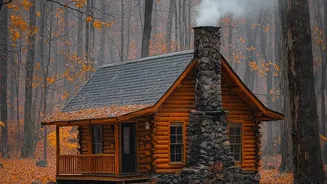
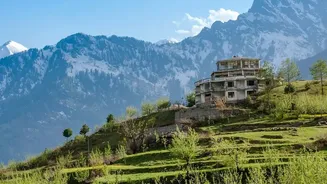
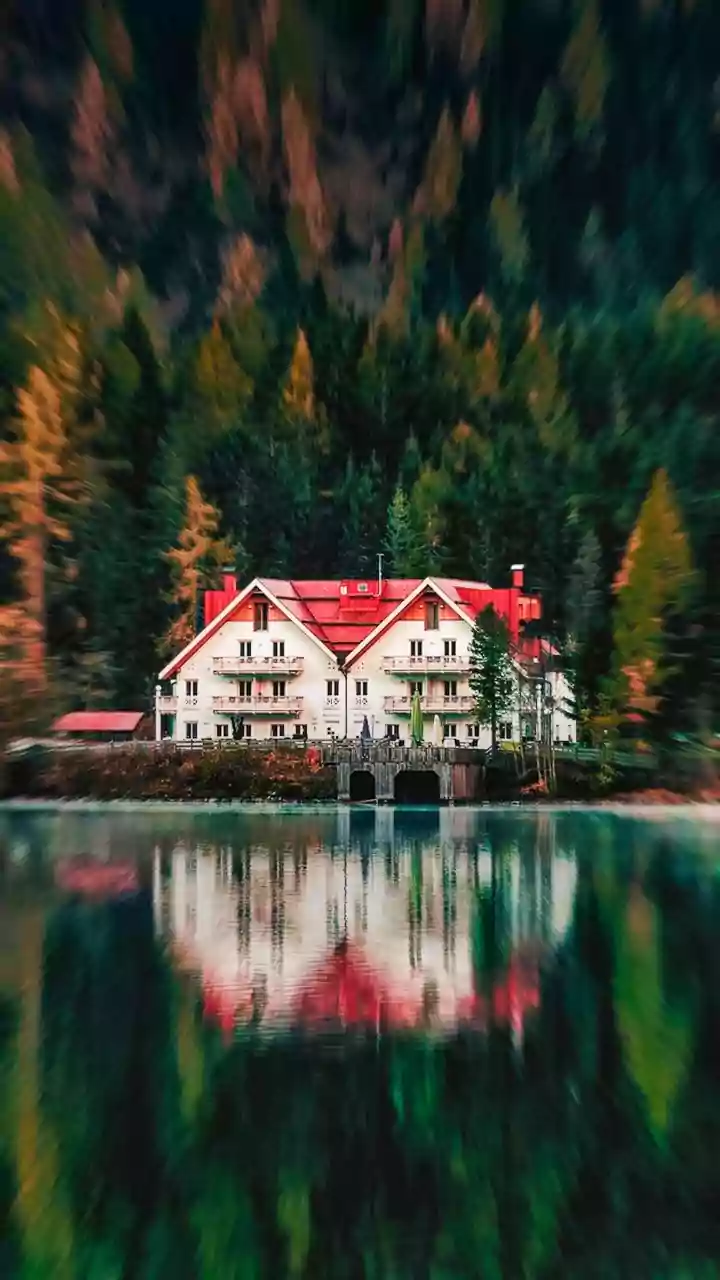
that favour authentic homestays over large hotels. The architecture is often traditional Kath-Kuni style, a unique method of interlocking wood and stone. This focus on sustainable, community-driven hospitality is what preserves the valley's tranquility. Shoja, located at a higher altitude just a few kilometres from the popular village of Jibhi, offers an even quieter atmosphere, making it a haven for those seeking solitude and stunning mountain views. The vibe is less about a packed itinerary and more about slowing down, enjoying nature, and experiencing Himachali culture firsthand.
Pinpointing Your Perfect Hideaway
Where you stay determines the peace you find. While Jibhi is a popular and accessible hub with cafes and a livelier atmosphere, true quiet is often found in the smaller hamlets. Gushaini: Often called the gateway to Tirthan, this village sits on the riverbank and is ideal for those wanting proximity to the Great Himalayan National Park entrance. It offers a mix of angling opportunities and serene walks. Nagini and Sai Ropa: These riverside villages are excellent for trout fishing and offer a quieter experience than Jibhi, with many homestays situated right by the water. Sharchi and Pekhri: For ultimate seclusion, these higher-altitude villages offer breathtaking views and a deep dive into rural Himachali life, away from the main tourist trail. Shoja: For those who want high-altitude calm, Shoja is the answer. It is the perfect base for trekking to Jalori Pass and Serolsar Lake while offering a more disconnected, forest-enveloped feel than the main valley.
Strategies for Discovering Hidden Gems
Finding the most peaceful homestays requires a bit more effort than a simple hotel search. Many of the best, family-run places are not on major booking platforms. Start by searching for specific villages like "homestay in Gushaini" or "quiet stay in Shoja." Explore travel blogs, forums, and even Instagram geotags for recommendations from fellow travellers. Many authentic homestays operate via word-of-mouth and direct phone bookings. Don't be afraid to contact a well-regarded homestay and ask for recommendations if they are full; the community is well-connected. Eco-tourism operators can also help arrange stays in lesser-known properties. Look for terms like "eco-friendly," "riverside," and "traditional" to filter for the kind of experience you want.
Booking and Setting Expectations
Once you find a promising lead, the booking process may be delightfully old-school. It might involve a phone call or a WhatsApp message directly with the owner. This is a great opportunity to ask about the location, accessibility, and atmosphere. Be prepared for patchy mobile networks and limited Wi-Fi, which is often part of the charm of disconnecting. Most homestays offer simple, clean rooms with attached bathrooms and serve delicious, home-cooked Himachali meals. Don't expect luxury resort amenities; the luxury here is the serenity, the hospitality, and the connection to nature. Always carry sufficient cash, as ATMs are scarce and digital payments may not always work due to poor connectivity.
Timing Your Trip for Maximum Tranquility
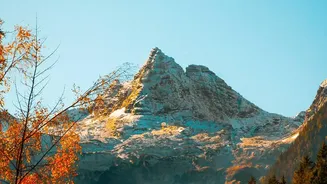
To truly experience the peace of Tirthan and Shoja, avoid the peak tourist rush. The best times for a quiet holiday are the shoulder seasons: March to early June and September to November. During these months, the weather is pleasant for outdoor activities, the landscapes are lush or painted in crisp autumn colours, and the crowds are thinner. The summer months of May and June are popular and can get busy, while the monsoon season (July-August) brings the risk of landslides. Winter (December-February) offers a snow-clad wonderland but can come with road closures, especially towards Jalori Pass, making access to some areas difficult.