







Invest in a Water-Resistant Backpack
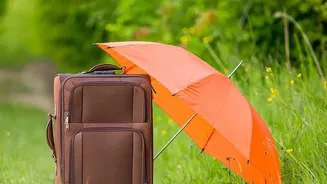
Your first line of defence is the bag you carry. Investing in a quality water-resistant backpack is a smart move for any frequent traveller. These bags are often made from coated materials like nylon or polyester that cause water to bead up and roll off.
When choosing a bag, pay close attention to the zippers. Look for bags with sealed or water-repellent zippers, or at least storm flaps that cover the zipper teeth, as these are common entry points for moisture. Even if a bag isn't fully waterproof, a high level of water resistance can keep your gear dry during an unexpected shower, giving you enough time to find proper shelter. For your existing backpack, a simple rain cover can be an effective and affordable accessory.
Use Dry Bags for Internal Protection
For an almost foolproof layer of security, especially for high-value items like cameras and laptops, use dry bags inside your main backpack. A dry bag is a flexible container, typically with a roll-top closure that creates a watertight seal. This means that even if your outer bag gets completely soaked, the contents inside the dry bag will remain perfectly dry. You can find them in various sizes, making it easy to compartmentalise your gear. One for your laptop, another for your phone and power bank, and a third for camera lenses. This method of double-bagging provides peace of mind during heavy downpours or activities near water.
Embrace Low-Cost DIY Solutions
Protecting your gear doesn’t have to be expensive. Simple zip-top plastic bags are incredibly effective for shielding smaller items like smartphones, chargers, and passports from moisture. You can often still use your phone's touchscreen through the plastic, making it a convenient option for quick use in a drizzle. For added security, you can double-bag your device by placing it in one zip-top bag and then putting that bag upside down into a second one. This ensures that even if a few drops get past the first seal, the second one will hold strong.
Combat Humidity with Silica Gel
Water damage isn't just about direct rain; ambient humidity can be a silent enemy. Damp air can cause condensation to form inside your devices and bags, leading to corrosion over time. A simple and effective way to combat this is by using silica gel packets. These are the small desiccant packets you often find in new shoe boxes or with electronics. They are excellent at absorbing excess moisture from the air. Toss a few into your camera bag, laptop sleeve, and any pouch containing electronics to help keep the immediate environment dry and reduce the risk of humidity-related damage.
Develop Smart Rainy-Day Habits
Beyond the gear you carry, simple habits can make a huge difference. If your phone or any other device gets wet, resist the immediate urge to turn it on or plug it in. Powering on a wet device can cause a short circuit. The first step is to power it down immediately. Gently dab the exterior dry with a soft cloth and remove the case, SIM card, and battery if possible. Let it air dry in a well-ventilated area, with any ports facing down to allow water to drain. Contrary to popular belief, putting your phone in uncooked rice is not the most effective method; silica gel packets are far better at absorbing moisture. If you don't have any, just letting it air dry is a safer bet.
Choose Device-Specific Cases
For devices you use frequently on the go, like your smartphone, a dedicated waterproof or water-resistant case is a worthwhile investment. These cases are designed to fit your phone snugly, offering protection not just from water but also from drops and dust. A good case allows you to use your phone for navigation or taking photos in the rain without having to put it in a separate bag. For laptops, a padded, water-resistant sleeve provides an essential barrier against splashes and the general dampness that can build up in a travel bag during the monsoon.