



The New Monsoon Comfort Food
Walk through a bustling city centre this July, and you might notice a subtle change in the lunchtime routines of young professionals. Instead of automatically reaching for a burger or fried snack, many are seeking out something that feels both modern
and ancient: nutrient-dense regional broths. We're talking about everything from the robust, slow-cooked Mutton Paya soup, long hailed as a powerhouse of nutrition, to the peppery South Indian Rasam and hearty lentil shorbas. These aren't just meals; they are becoming the new go-to for comfort and wellness, especially as the monsoon sets in. This season is often accompanied by a spike in illnesses like dengue and malaria, making immunity a top priority. This July, the preference is leaning towards foods that warm, nourish, and protect.
A Boost of Protein and Immunity
The primary driver behind this trend is a powerful combination of health benefits. These broths are nutritional powerhouses. Bone broths like Paya are celebrated for their high protein and collagen content, which are essential for muscle maintenance, joint health, and gut-healing. One cup of bone broth can contain around 9 grams of protein, making it a satisfying and easily digestible option for those with busy, active lifestyles. Beyond protein, these traditional recipes are packed with immunity-boosting spices. Ingredients like turmeric, ginger, garlic, and black pepper, which are staples in preparations like Rasam and various shorbas, are known for their anti-inflammatory and antiviral properties. In a season notorious for colds and flu, a warm bowl of spiced broth is seen as both a preventative measure and a comforting remedy.
A Conscious Return to Roots
This shift isn't just about nutrition; it's also a cultural statement. For many young, urban Indians, it represents a deliberate return to the foods they grew up with. After a generation of embracing global fast-food trends, there's a growing appreciation for the wisdom of 'grandma's kitchen'. These broths offer a taste of home and a connection to regional identity. Paya soup, for instance, has been a strengthening dish in Indian and Mughlai cuisine for centuries. By choosing a traditional broth, young professionals are not just making a health-conscious decision but also celebrating their culinary heritage. It’s a move away from generic, processed meals toward something authentic, wholesome, and deeply rooted in Indian culture.
Convenience Meets Tradition
One of the main reasons fast food became dominant was its sheer convenience. However, the market is adapting to meet this new demand for traditional wellness. Startups and modern cafes are now offering these age-old recipes in formats that fit a fast-paced professional life. From home delivery services that bring a hot flask of Paya to your desk, to cafes serving artisanal bone broth on the go, the convenience gap is closing. There are even ready-to-use broth concentrates and powders that allow for a quick, home-cooked, nutritious meal without the hours of simmering. This fusion of traditional recipes with modern convenience makes it easier than ever to swap a less healthy snack for a bowl of nourishing broth.
The Social Media Simmer
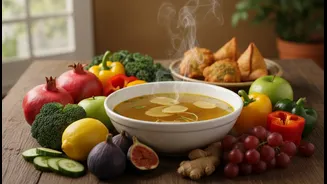
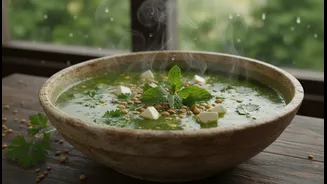
No modern trend is complete without a social media angle. Wellness influencers and food bloggers have played a significant role in popularizing these traditional broths, often branding them as 'Indian superfoods'. The visual appeal of a beautifully garnished, steaming bowl of broth is highly shareable on platforms like Instagram. Celebrities and influencers sharing their wellness routines, which often include bone broth, have further amplified its appeal. This digital validation makes a traditional food like broth feel trendy and aspirational, encouraging more young people to try it and share their own experiences, creating a self-sustaining cycle of popularity.