


The Morning Rush Challenge
For generations, breakfast in India was a lovingly prepared, elaborate affair, unique to each region. Think fluffy bhature in the north, soft appams in the south, or savoury dhokla in the west. These meals, while delicious and nourishing, are often time-consuming.
In today’s India, especially in bustling urban centres, time is the scarcest commodity. Dual-income households, long commutes, and early school or office starts have turned the leisurely morning meal into a frantic race against the clock. The traditional breakfast, requiring soaking, grinding, and slow cooking, is becoming a weekend luxury rather than a daily staple. This time crunch has created a massive gap in the market, one that brands and new food philosophies are eagerly filling.
The Rise of the Health-Conscious Plate
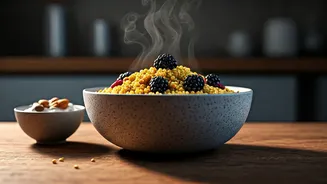
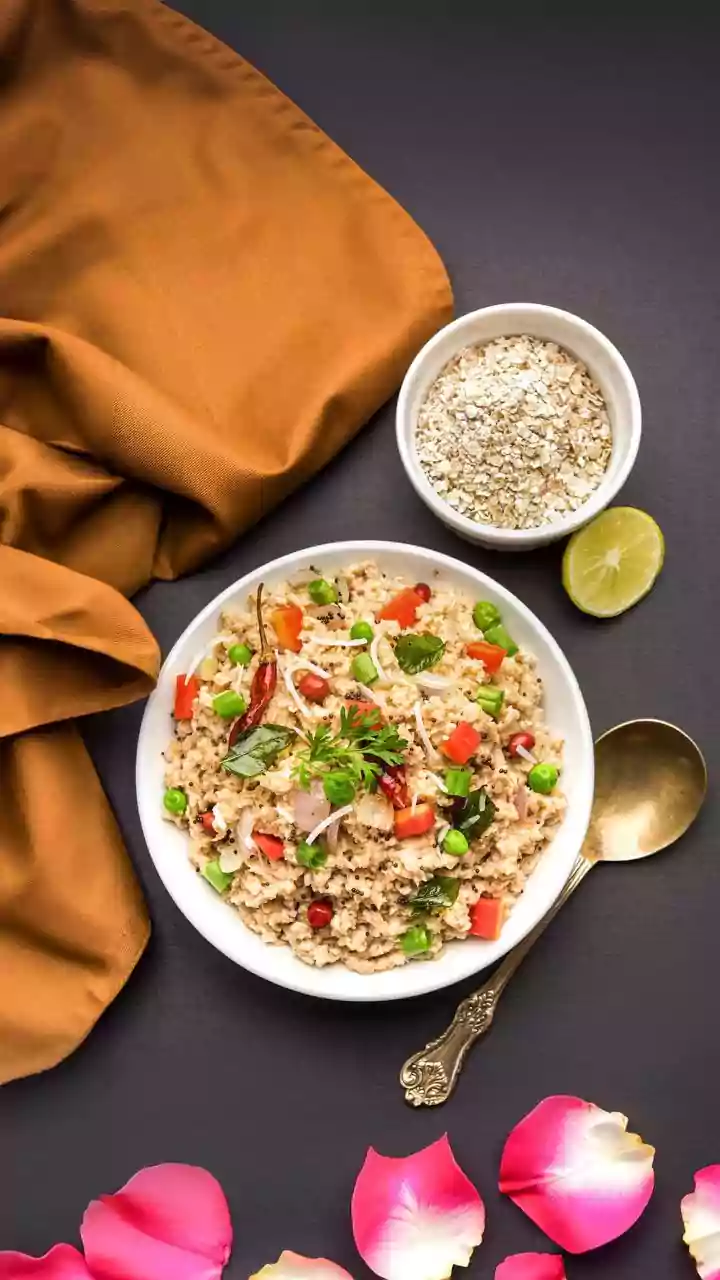
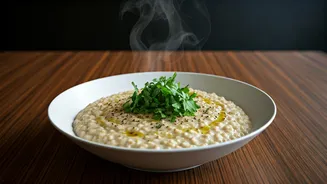
Alongside the need for speed is a growing awareness of health and wellness. Indians are more calorie-conscious, protein-focused, and mindful of ingredients than ever before. This shift is driving a move away from carb-heavy or deep-fried morning meals towards options perceived as 'lighter' and more 'global.' Oats, once a niche product, are now a pantry staple in millions of homes, consumed sweet with milk and fruit or savoury as 'masala oats,' a clever adaptation for the Indian palate. Similarly, muesli, granola, and high-protein breakfast cereals are finding a permanent place on supermarket shelves. The conversation has shifted from simply filling the stomach to fuelling the body for the day ahead, with protein and fibre as the new heroes.
Convenience Becomes King
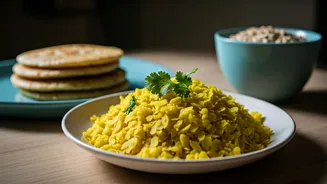
The food industry has responded to the time-health paradox with an explosion of convenience products. This isn't just about a box of cornflakes. The revolution is in the 'ready-to-cook' and 'ready-to-eat' categories that cleverly retain traditional flavours. Supermarket refrigerators are now stocked with pre-made idli and dosa batters, eliminating the hours of soaking and fermenting. Shelves are lined with instant poha, upma, and dhokla mixes that just require hot water. Even breakfast smoothie packs and protein shake mixes are gaining traction among fitness enthusiasts and young professionals looking for the quickest possible morning nourishment. These products offer a crucial compromise: the comfort of a familiar taste without the traditional effort.
The Great Millet Revival
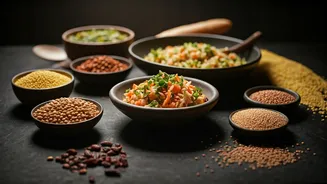
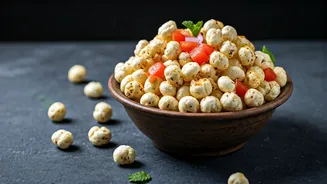
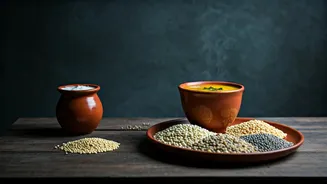
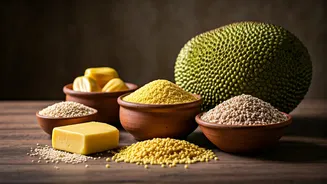
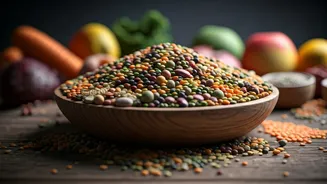
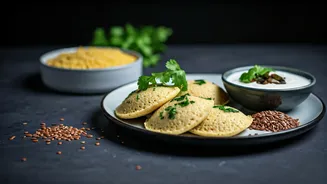
Perhaps the most interesting part of this revolution is not the adoption of the new, but the rediscovery of the old. Millets like ragi, jowar, and bajra—once considered humble, rural grains—are making a spectacular comeback. Championed by the government for their sustainability and lauded by nutritionists for their health benefits (gluten-free, high in fibre and minerals), millets are now 'superfoods.' They are being ingeniously integrated into modern breakfast formats. You can now find ragi flakes that mimic cornflakes, multi-millet dosa mixes, jowar upma, and breakfast bars made with bajra. This trend represents a desire to connect with nutritional roots while embracing modern convenience, creating a uniquely Indian solution to the breakfast dilemma.
A Fusion on the Fork
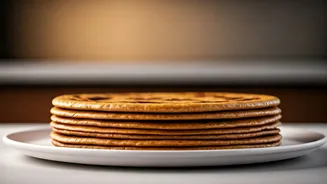
The breakfast revolution isn't about completely replacing parathas with protein shakes. It's about fusion and expansion. The Indian breakfast plate is becoming a hybrid space where global ingredients meet local flavours. People are making 'oats upma,' adding vegetables and Indian spices to a Scottish grain. They are making crepes from millet flour instead of maida. A weekend might still feature a grand spread of chole bhature, but a weekday morning is more likely to involve a quick bowl of muesli, a millet dosa from a packet mix, or a simple egg-white omelette. This blend reflects the reality of modern Indian life: globally connected, locally rooted, and always in a hurry.