


1. The Classic Chikoo Milkshake
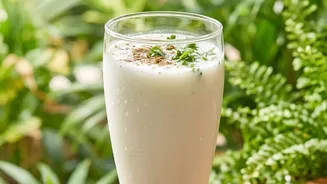
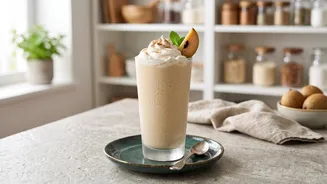
The chikoo milkshake is a timeless classic for a reason. For this simple preparation, fresh, ripe fruit is often the best choice. Using very ripe, soft chikoo that you've peeled and deseeded gives the shake a naturally sweet, caramel-like flavour and a slightly
grainy texture that many people enjoy. You have full control over the sweetness, adding sugar or jaggery only if needed. However, a high-quality sweetened or frozen chikoo pulp can also be a great option. It guarantees a consistently sweet flavour and a smoother, thicker texture, which is perfect if your fresh chikoos aren't perfectly ripe or if you prefer a more dessert-like, uniform consistency in your drink.
2. Creamy Chikoo Kulfi or Ice Cream
When making frozen desserts like kulfi or ice cream, managing texture is everything. Using fresh, raw chikoo can sometimes result in an icy final product. For a creamier, smoother result, it's better to use either a store-bought sweetened pulp or to cook down fresh chikoo into a puree yourself. Many recipes call for blending chikoo pulp with condensed milk, cream, and full-fat milk before freezing. This method ensures the fruit is smoothly incorporated into the dairy base, preventing large ice crystals from forming. If you still crave the texture of fresh fruit, you can add small, chopped pieces of fresh chikoo into the mixture right before freezing for a pleasant contrast.
3. Rich and Decadent Chikoo Halwa
Chikoo halwa is a rich, fragrant dessert that requires cooking the fruit down with ghee, sugar, and often khoya (milk solids). For this recipe, using fresh chikoo can be tricky. The fruit releases a lot of water and may not break down into the homogenous, thick consistency needed for a good halwa. This is where a sweetened chikoo pulp shines. Starting with a thick, pre-sweetened pulp gives you a stable base that sautés well in ghee and combines beautifully with khoya and nuts. The pulp provides the necessary structure and deep, concentrated flavour that holds up to the long cooking process, resulting in a perfectly textured halwa.
4. Smooth Chikoo Kheer
Similar to halwa, chikoo kheer benefits from a preparation that ensures a smooth final texture. Most recipes for this creamy rice pudding involve making a standard kheer base and then adding the chikoo element after the milk has thickened and cooled. Blending fresh, ripe chikoo into a coarse or fine puree is the recommended method here. Adding raw, chunky pieces directly to the hot milk can affect the texture. By creating a puree from fresh fruit, you get the best of both worlds: the authentic flavour of fresh chikoo and the smooth, consistent texture required for a delicious kheer. Because chikoo is naturally very sweet, be sure to adjust the sugar in your kheer recipe accordingly.
5. Fresh Chikoo Fruit Salad
In preparations where the fruit is the star and served raw, there is no substitute for fresh chikoo. For a simple fruit salad, the natural malty sweetness, unique granular texture, and juiciness of a perfectly ripe chikoo are what make it special. Simply peel, deseed, and chop the fruit before combining it with other tropical fruits. Using a sweetened pulp in this context would result in a cloying, overly sweet dish and a mushy texture. Here, the integrity of the fresh fruit is paramount. Fresh chikoo pairs wonderfully with greens, avocado, and a light citrus dressing for a refreshing twist.