

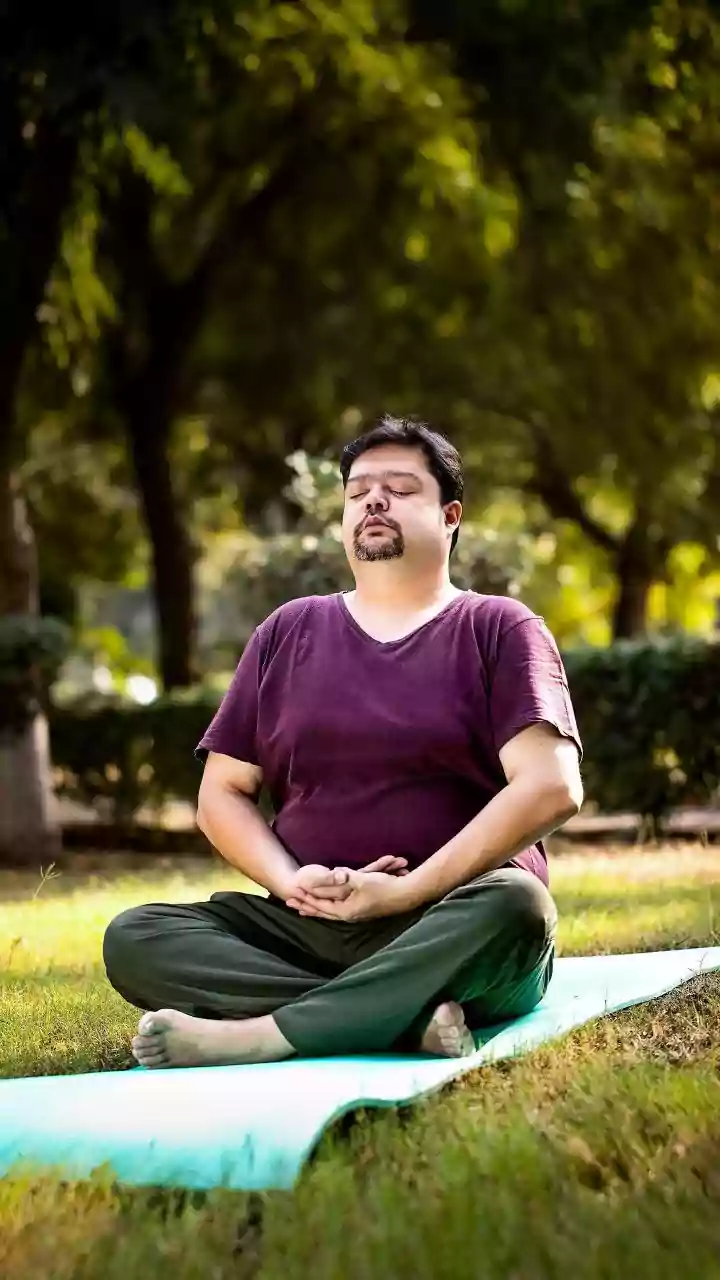



What is Breath Awareness?
Breath awareness is the simple, intentional practice of observing your breath without trying to change it. It's not about forcing deep, dramatic inhales or holding your breath for long periods. Instead, it’s about paying gentle attention to the natural
rhythm of your breathing as it flows in and out. Think of it as passive observation rather than active control. While 'breathwork' often involves specific techniques to manipulate breathing for a certain outcome (like to energise or relax), breath awareness is the foundation. It's the starting point of a conversation with your own body.
The Quietly Powerful Benefits
Dedicating just a few minutes each day to noticing your breath can have profound effects on your well-being. Research and practice show that it can help reduce stress and anxiety by calming the nervous system. By anchoring your attention to the present moment, you give your mind a break from worrying about the future or dwelling on the past. This leads to increased mental clarity, better focus, and improved emotional regulation. Over time, this simple practice can lead to lowered blood pressure, better sleep quality, and a greater sense of overall resilience in the face of daily pressures.
Your First Five-Minute Practice
Ready to begin? You don’t need any special equipment or a lot of time. Find a comfortable position, either sitting in a chair with your feet flat on the floor or lying down. Loosen any tight clothing and gently close your eyes if it feels comfortable, or soften your gaze towards the floor. Start by simply bringing your attention to your breath. Don't force it. Just notice the air flowing in through your nose and out through your mouth or nose. Feel the sensation of the air—perhaps its coolness on the in-breath and warmth on the out-breath. Notice the gentle rise and fall of your chest or belly. Your mind will inevitably wander to thoughts, noises, or other sensations. That’s completely normal and expected. When you notice your mind has drifted, gently and without judgment, guide your attention back to your breath. Try this for just three to five minutes to start.
Making It a Daily Habit
The key to building a routine is consistency, not intensity. Don't aim for a 30-minute session on your first day. Start with five minutes. The best way to make the habit stick is to link it to an existing part of your day. Perhaps you can practice it right after you wake up, during your afternoon tea break, or just before you go to sleep. You can even do it while waiting in a queue or during your commute. The goal is to make it a small, manageable moment of pause that you can easily integrate into your life, rather than another task to check off your list.
Navigating Common Challenges
Many beginners feel like they’re 'failing' at breath awareness, but most challenges are normal. The most common issue is a wandering mind. Remember, the goal isn't to have an empty mind, but to gently return your focus each time it strays. Another common pitfall is trying too hard or forcing the breath, which can lead to tension. If you feel yourself getting tense, ease up and let your body breathe naturally. Some people might experience light-headedness if they accidentally start breathing too deeply or quickly. If this happens, simply return to your normal, gentle breathing pattern, and the sensation will pass. The practice is about awareness and gentleness, not effort and strain.