



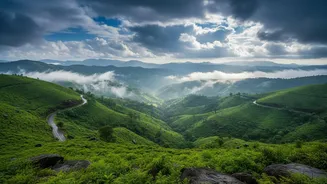

Understanding the 'New Normal' Monsoon
While the monsoon is an annual affair, recent weather patterns show a trend towards intense, concentrated rainfall events rather than steady drizzles. This August, several states are on alert for heavy to very heavy rainfall, leading to a higher risk
of flash floods, urban waterlogging, and landslides, particularly in hilly and coastal regions. According to the India Meteorological Department (IMD), active monsoon conditions are expected across large parts of the country, impacting states from Kerala and Maharashtra to Uttarakhand and West Bengal. This isn't your typical rainy season; it’s a period where weather can shut down major transport arteries with little warning, as seen with disruptions on the Mumbai-Pune expressway and railway lines.
For Road Trips: Triple Your Buffer Time
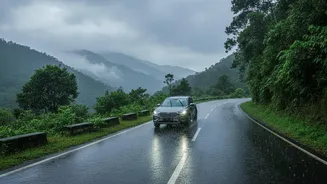
If you're driving, the old habit of adding an hour or two for traffic is no longer sufficient. On routes prone to landslides, like those in the Himalayas or the Western Ghats, or roads susceptible to waterlogging, it's wise to build in a buffer of at least four to six hours, if not more. Major highways can be closed for extended periods to clear debris from landslides. Before you even start your engine, check for real-time traffic updates and official advisories from local authorities. Planning your drive during daylight hours is also a crucial safety measure, as visibility drops significantly during heavy downpours and it's harder to spot hazards like potholes or floodwaters.
For Air & Rail: Rethink Tight Connections
The chaos on the ground directly impacts air and rail travel. Heavy rains and low visibility have led to significant flight delays and cancellations at major airports like Mumbai. A delayed flight could mean missing a connecting train or your last cab for the night. The same applies to rail travel, where waterlogged tracks or landslides in ghat sections can cause widespread cancellations and diversions, affecting even long-distance trains. The key takeaway for multi-leg journeys is to avoid scheduling tight connections. If you have an important event or meeting, consider arriving at your destination a full day early to insulate your plans from weather-related travel shocks.
Mastering the 'Nowcast' for Smarter Moves
A week-old weather forecast has limited value during an active monsoon. Your new best friend is the short-range forecast, or 'nowcast', which provides updates for the next few hours. Use official apps like the IMD’s ‘Mausam’ or other reliable services like Skymet and AccuWeather for hyper-local updates. These apps provide real-time radar imagery and warnings for specific weather events like intense rain or thunderstorms. Before starting any leg of your journey—whether it's a two-hour drive to the airport or a day-long train ride—check the forecast for both your origin and your destination. A clear sky where you are doesn't guarantee a smooth landing elsewhere.
Your Monsoon Travel Checklist
Adapting your timing is crucial, but so is your packing. Ensure you have waterproof bags for all electronics and important documents. A power bank is non-negotiable, as delays can leave you stranded without access to a charging point. Pack quick-drying clothes, a reliable raincoat, and appropriate waterproof footwear. It's also wise to carry a basic first-aid kit, some dry snacks, and drinking water. Finally, download offline maps before you leave. In areas where heavy rain affects mobile connectivity, having a backup map can be a lifesaver.