




The Science Behind a Greener India
Several scientific studies forecast a significant increase in India's vegetation cover through to the end of the century. Research from institutions like the Indian Institute of Tropical Meteorology (IITM) in Pune projects that the amount of carbon dioxide
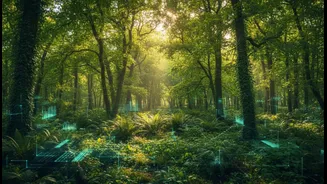
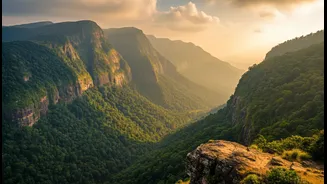
absorbed by plants through photosynthesis could nearly double by 2100 under a high-emission scenario. This phenomenon is driven by two main factors. The first is what's known as the 'CO2 fertilization effect', where higher concentrations of atmospheric carbon dioxide—the primary driver of climate change—act like a steroid for plants, boosting photosynthesis and growth. The second is an anticipated increase in rainfall, especially during the monsoon, which provides the necessary water for this accelerated growth. The most substantial greening is expected across the Indo-Gangetic Plain, Northeast India, and the Western Ghats.
The Illusion of Greenness
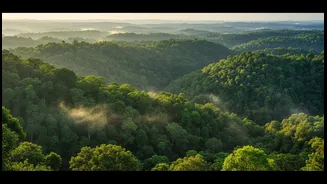
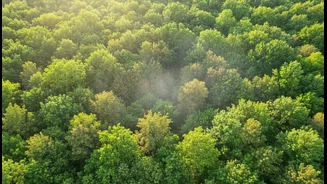
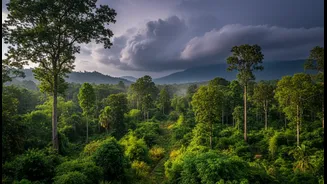
While more trees and plants sound like an unequivocal good, the reality is far more complex. Experts caution that 'greening' is not the same as 'health'. A recent study from IIT Kharagpur revealed that while India's forests may appear greener, their ability to efficiently absorb carbon has declined over the past two decades. This is the 'green mirage': the structure looks better, but the function is weakening. One major issue is the type of green cover. Much of the increase comes from fast-growing monoculture plantations, which lack the biodiversity and ecological resilience of natural, old-growth forests. These plantations may increase green cover statistics but do little for wildlife, water cycles, or long-term carbon storage compared to a complex, natural ecosystem.
The Climate Risks That Remain
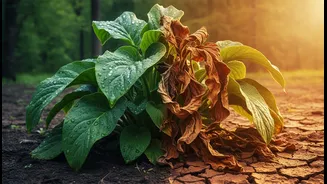
A greener landscape is not a shield against the primary dangers of climate change. One of the most immediate threats is heat stress. While increased vegetation can have a localized cooling effect, it cannot stop large-scale, record-breaking heatwaves. In fact, hotter-than-normal years can suppress plant growth and even cause them to release stored carbon back into the atmosphere. Furthermore, climate models predict more erratic and intense rainfall. A greener landscape does not prevent the destructive floods and landslides that can result from these extreme weather events. In some cases, it can exacerbate water issues. For instance, some new forests might consume more water, putting a strain on already limited resources in drier regions. The risk of forest fires is also projected to increase in certain areas, particularly in central India, due to higher temperatures and drier conditions.
Beyond Planting Trees: A Holistic Strategy
The consensus among scientists is that relying solely on greening as a climate solution is a dangerous oversimplification. While afforestation and conservation are vital components, they are not a substitute for cutting greenhouse gas emissions at the source. A truly resilient future requires a multi-pronged approach. This includes investing in water management systems to cope with both droughts and floods, upgrading infrastructure to withstand extreme weather, and protecting the biodiversity of our existing natural forests, which are far more effective at carbon sequestration and ecological support than new plantations. Experts also emphasize that future planning must be regional and climate-aware, recognizing that different parts of India face unique challenges. As one scientist noted, a warmer world brings greater risks from drought, fire, and other disturbances, even if some regions see more biomass growth.