



The Trouble with Being Too Popular
First, let's be clear: there's nothing inherently wrong with Lonavala. Nestled in the Sahyadri mountain range, it’s a quick drive from the sprawling metropolises of Mumbai and Pune, making it an incredibly convenient escape. During the monsoon season,
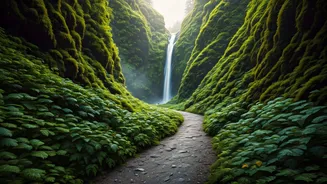
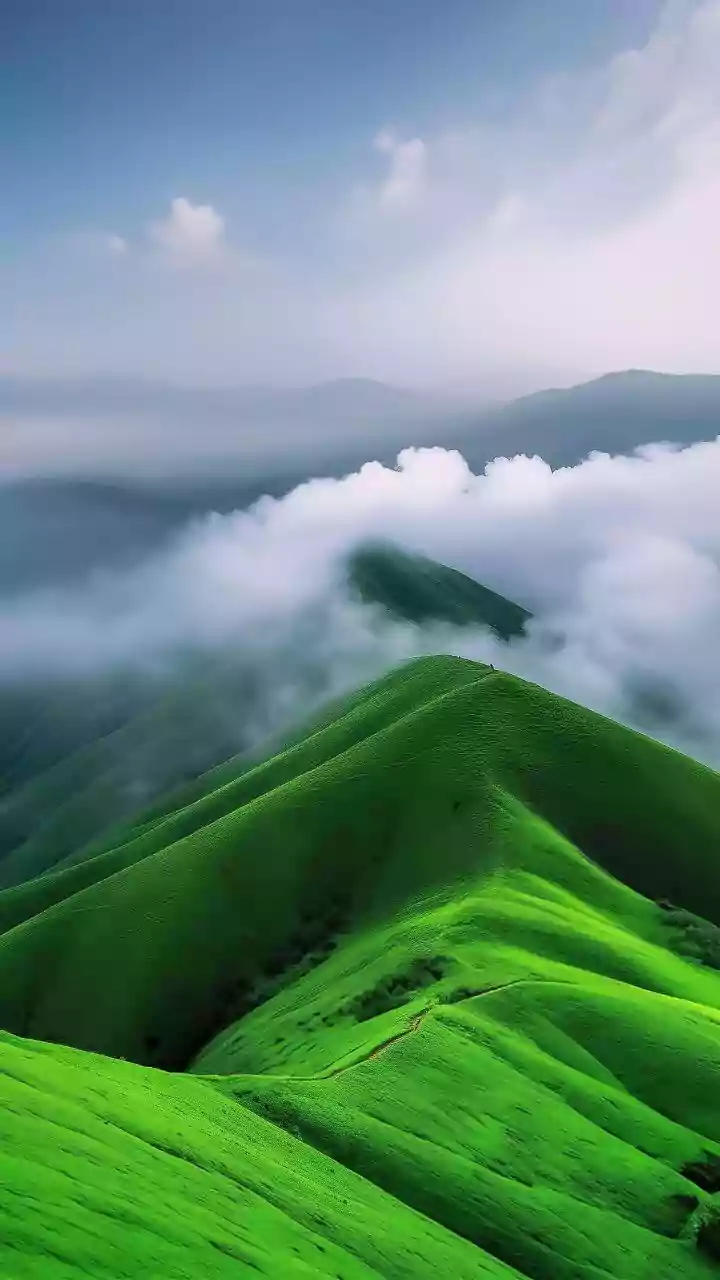
its hills erupt in a vibrant, impossible green, and waterfalls appear on every cliffside. It's famous for its viewpoints, historic forts, and a crunchy peanut-and-jaggery candy called *chikki*. The problem? Everyone knows this. On any given weekend, the main roads can feel like a Los Angeles freeway, viewpoints are mobbed with selfie-takers, and the quiet serenity you came for is drowned out by the sheer volume of visitors. It’s a classic case of a beautiful place loved a little too much. But the Western Ghats are vast, and for those willing to drive a little farther, a world of quieter, more profound beauty awaits.
1. Bhandardara: For Raw, Untamed Nature
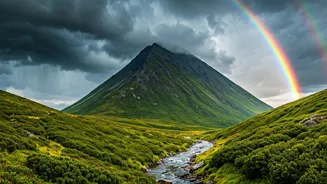
If Lonavala is a manicured park, Bhandardara is a national forest. Located about 100 miles from Mumbai, this lakeside village feels a world away from urban chaos. The centerpiece is Arthur Lake, a vast, placid body of water created by the impressive Wilson Dam. Unlike the busy lakes of more popular towns, you can find stretches of shoreline here all to yourself. The area is a trekker's dream, with trails leading to the historic Ratangad fort and the highest peak in Maharashtra, Mount Kalsubai. The landscape is raw and dramatic, dominated by sheer rock faces and deep valleys. It’s the kind of place where the main activities are hiking, breathing clean air, and watching the stars emerge in a truly dark sky. It offers a rustic, grounding experience that a commercialized hill station simply can’t match.
2. Igatpuri: For a Meditative Retreat
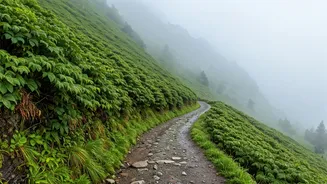
While just a short distance from the same highway that leads to other packed towns, Igatpuri offers a different kind of escape—one for the mind. This tranquil town is best known as the home of the Vipassana International Academy, a world-renowned center for silent meditation. That peaceful, reflective energy permeates the entire area. Surrounded by lush green peaks and often shrouded in mist, Igatpuri is less about thrill-seeking and more about quiet contemplation. You can hike to the Tringalwadi Fort for panoramic views, visit the gushing Vaitarna Dam, or simply find a quiet spot to read. It's the perfect antidote to burnout, a place to disconnect from your phone and reconnect with yourself. It’s the wellness retreat you didn't know you needed.
3. Malshej Ghat: A Monsoon Waterfall Paradise
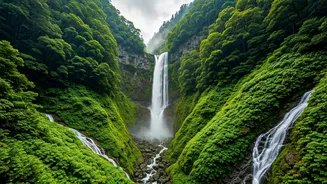
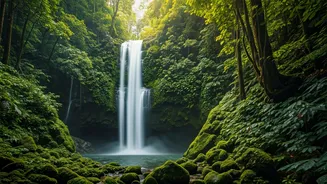
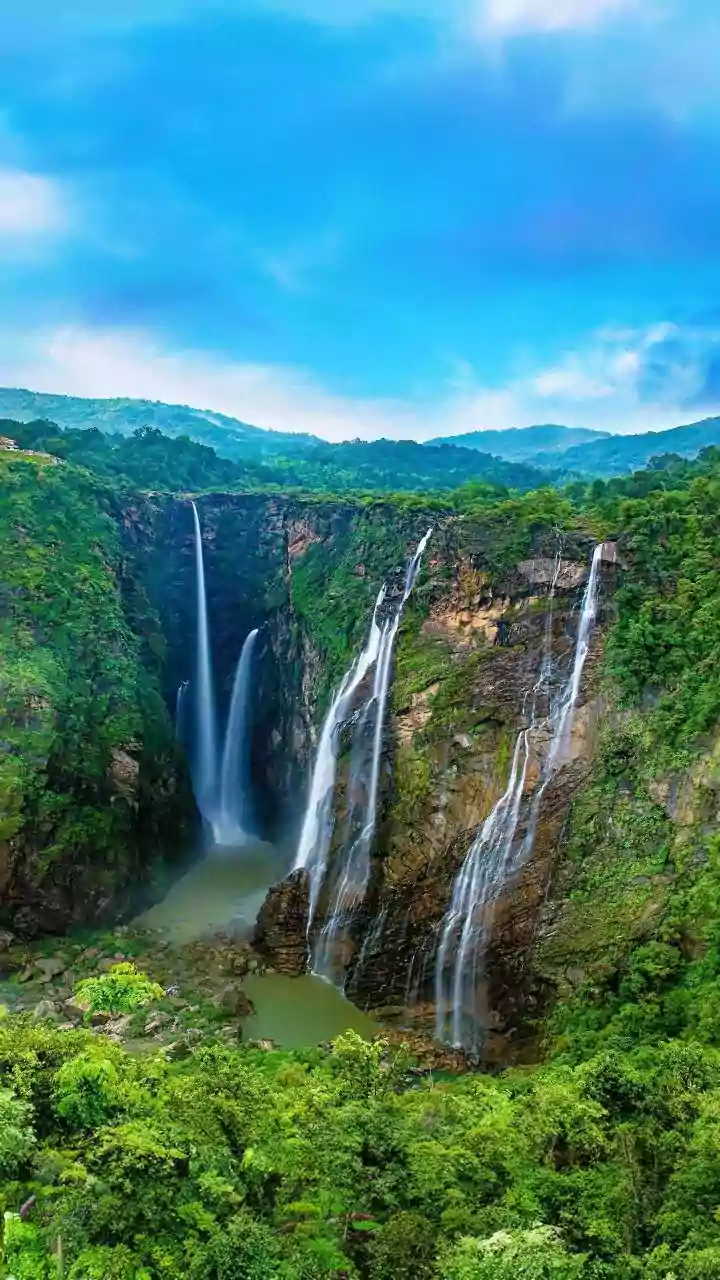
For travelers who believe the journey *is* the destination, Malshej Ghat is a must. This isn’t a town so much as a spectacular mountain pass that comes alive during the monsoon. As you drive the winding road, hundreds of waterfalls—from delicate trickles to roaring torrents—cascade down the cliffs, sometimes directly onto the road itself. The entire valley is swathed in dense fog, creating a mystical, otherworldly atmosphere. It's a favorite spot for nature photographers, bird watchers (who come to see flamingoes at a nearby dam after the rains), and anyone who wants to experience the full, untamed power of the Indian monsoon. While it has resorts, the main attraction is the drive and the immersive experience of being surrounded by water and mist. It’s a dynamic, elemental adventure.
4. Amboli: The Biodiversity Hotspot
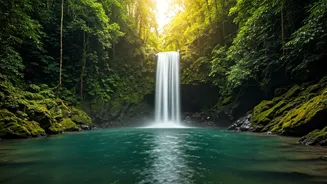
For the true explorer willing to venture further south, Amboli is the ultimate reward. Tucked away near the coast of Goa, this lesser-known hill station is part of a region designated as one of the world's eco-hotspots. The biodiversity here is staggering. It’s a land of dense rainforests, unique wildlife (including the Malabar gliding frog), and pristine streams. The main Amboli waterfall is a popular attraction, but the real magic lies in exploring the quieter trails and hidden viewpoints like Shirgaonkar Point. Because it’s more remote, Amboli has retained a charming, old-world feel with a slow, relaxed pace of life. It’s a place for the eco-tourist, the biologist-at-heart, and anyone who wants to see a side of India that feels ancient and untouched.