




Hibiscus: The Tropical Star
Known for its large, showy flowers, the hibiscus is a classic choice for Indian gardens that truly comes alive during the monsoon. The increased humidity and moisture in the air encourage abundant blooms in shades of red, pink, yellow, and white. Hibiscus
plants flourish in the warm, moist climates typical of an Indian July. For best results, plant them in well-drained soil to prevent waterlogging at the roots, and provide plenty of sunlight. Regular pruning will also encourage bushier growth and more flowers, making it a spectacular addition to any garden boundary or large pot.
Rain Lily: The Monsoon Surprise
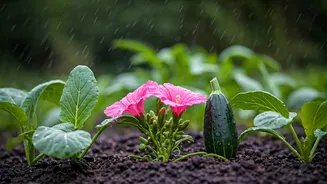
As its name suggests, the Rain Lily (Zephyranthes) is a flower that eagerly awaits the rainy season. These small, delicate bulbs often produce their beautiful pink, white, or yellow flowers right after a heavy shower, creating a magical effect in garden borders and pots. They are exceptionally low-maintenance and are a perfect choice for beginner gardeners. Plant the bulbs in well-drained soil, and they will multiply over time, rewarding you with surprise blooms throughout the monsoon.
Marigold: The Cheerful Protector
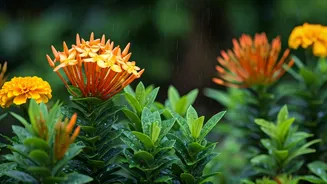
Marigolds are one of the most reliable and cheerful flowers for the rainy season. Their bright orange and yellow blossoms add a vibrant splash of colour on overcast days. Not only do they grow prolifically from seeds in the damp soil, but they are also known for being naturally pest-resistant, helping to protect other, more vulnerable plants in your garden. They are hardy, adapt well to most soils, and continue to bloom generously through the wet months.
Jasmine: Fragrance in the Air
The combination of petrichor and the sweet scent of jasmine is a quintessential monsoon experience. Jasmine vines and shrubs adore the humidity of the season, producing an abundance of their famously fragrant white flowers. Varieties like Mogra (Arabian Jasmine) are particularly well-suited to the Indian monsoon. They prefer well-drained soil and a spot that receives partial to full sunlight. Planting jasmine near a window or balcony will allow its delightful aroma to drift into your home on rainy evenings.
Monsoon Vegetables: Your Kitchen Garden
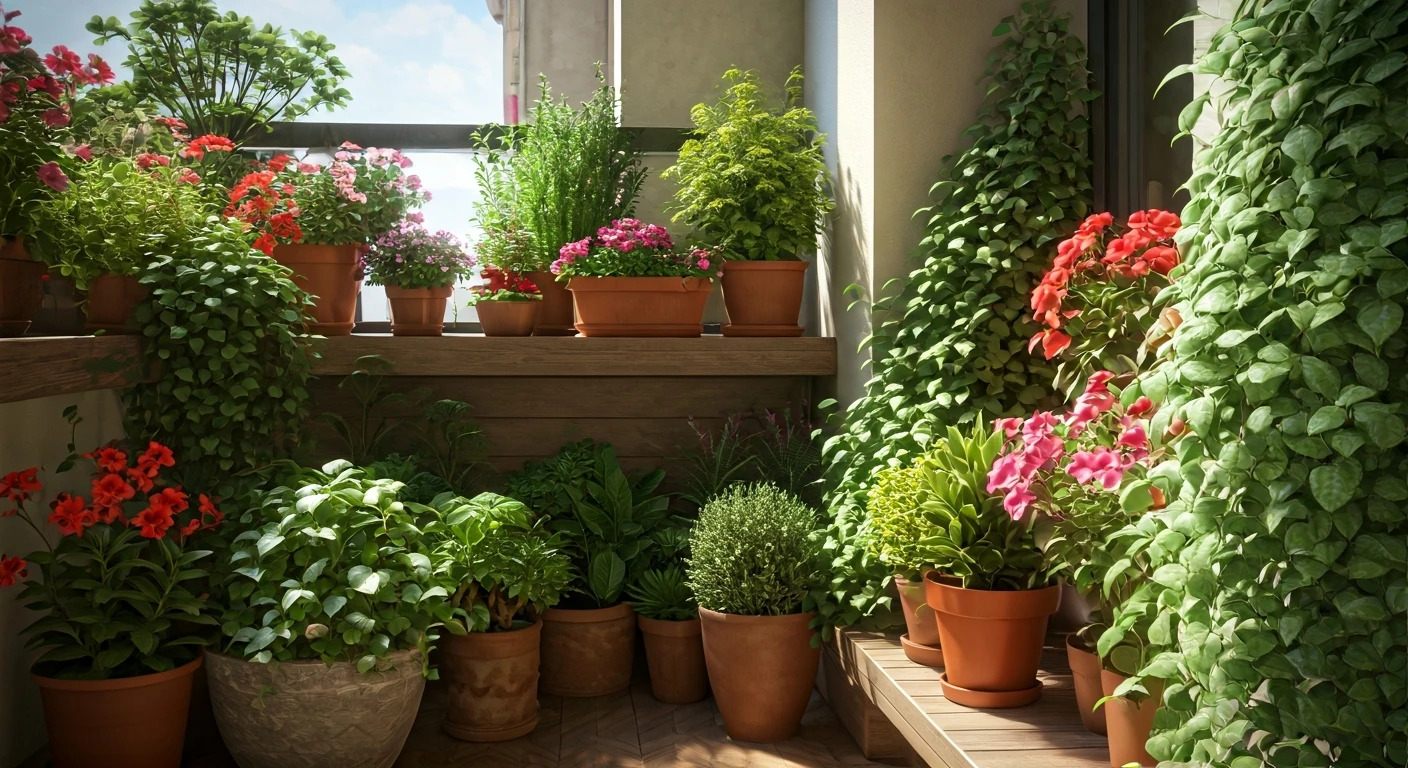
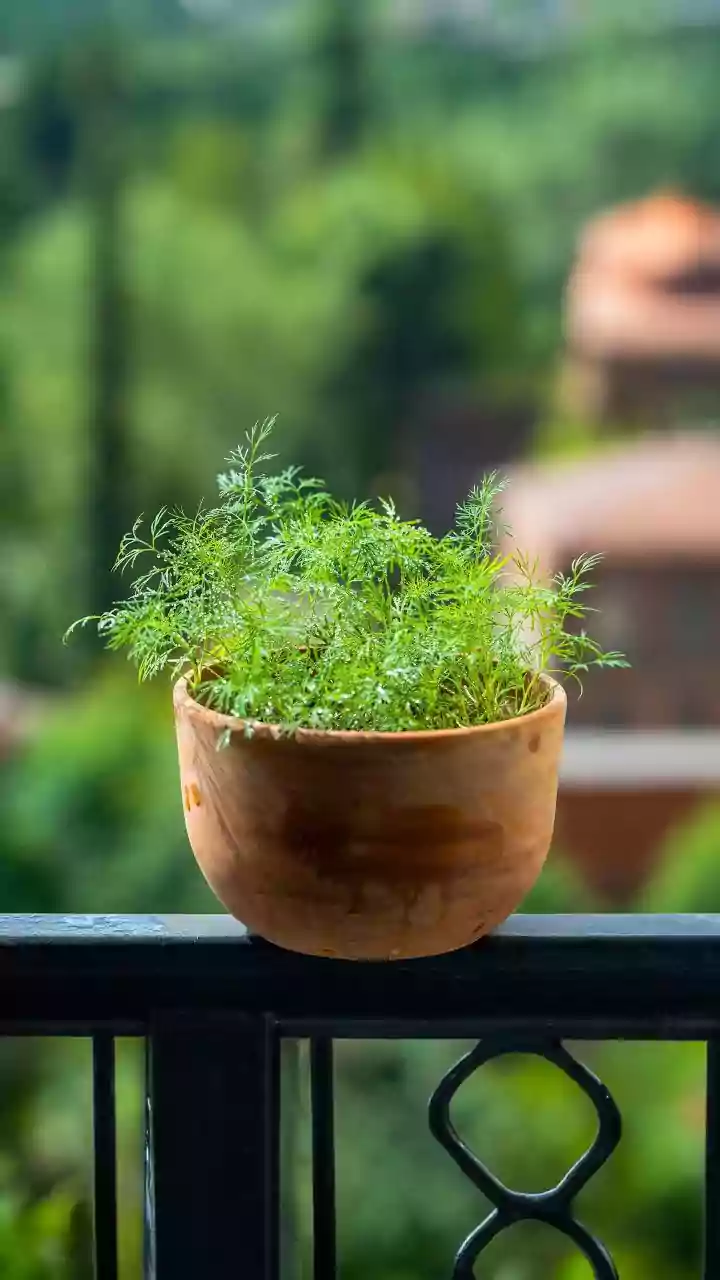
July is a prime time for growing a variety of vegetables that love moisture and humidity. Okra (Bhindi), various gourds like bottle gourd (Lauki) and bitter gourd (Karela), cucumbers, and beans are excellent choices. These vegetables grow vigorously during this period. For those with balconies, many of these, including chillies and brinjal (eggplant), can be grown successfully in pots. The key is ensuring your containers have excellent drainage to prevent the roots from rotting in the continuous rain.
Lush Foliage Plants: Ferns and More
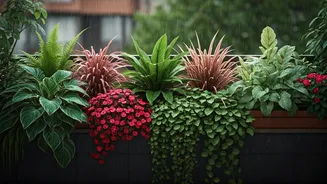
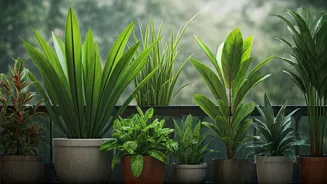
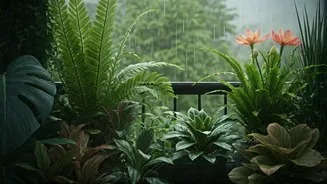
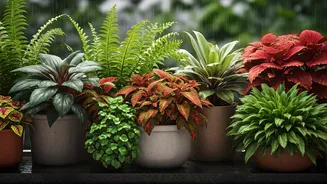
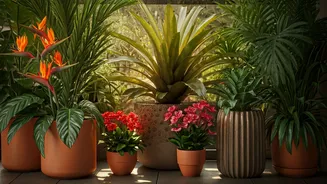
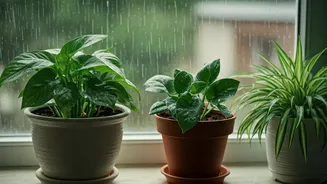
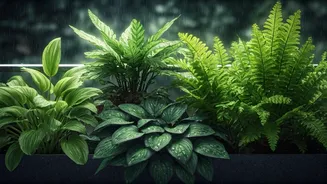
The monsoon is the perfect season for tropical foliage plants that love high humidity and indirect light. Ferns, in particular, flourish in the rainy weather, developing lush, green fronds. They are ideal for shaded balconies or indoor spots that could use a touch of greenery. Other plants like the Money Plant (Pothos), Areca Palm, and Peace Lily also thrive in these conditions, growing faster and appearing healthier thanks to the moisture in the air. Many of these can be temporarily moved outdoors during a gentle shower to refresh their leaves.
Essential Monsoon Care Tips
While these plants are rain-friendly, a few general tips will ensure your garden's success. First, prioritize drainage. Make sure all pots have holes and consider elevating them on bricks to prevent water from stagnating. Second, avoid overwatering; only water manually when the top inch of soil feels dry. Finally, be vigilant about pests and fungal diseases, which can thrive in damp conditions. Pruning plants to improve air circulation and removing any dead leaves or debris can help keep your garden healthy.