






A Shift in Travel Appetites
For generations, Indian tourism often meant following a well-trodden path of historical sites and scenic viewpoints. Today, that model is being deliciously disrupted. There's a significant shift from sightseeing to 'sense-seeing', where the primary motivation
for travel is to taste, smell, and experience the authentic flavours of a region. This trend, known as culinary tourism, has gained immense popularity. It's no longer about finding a good-enough place to eat near a famous fort; it's about the food itself being the main attraction. A recent report indicated that up to 40% of Indian travellers are now choosing their holiday destinations based on the local cuisine available. This marks a fundamental change in travel behaviour, driven by a desire for more immersive and authentic cultural engagement.
Tasting the Map of India
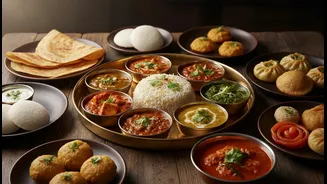
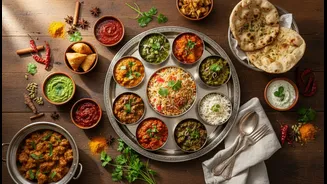
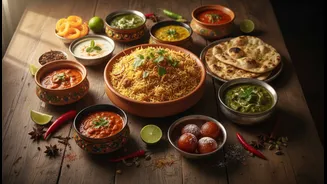
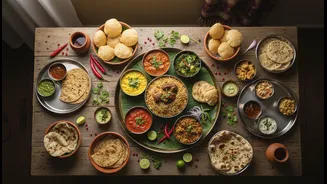
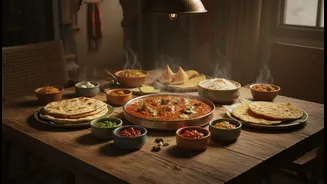
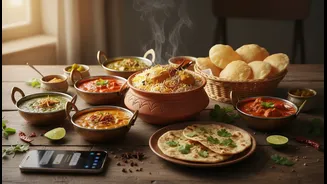
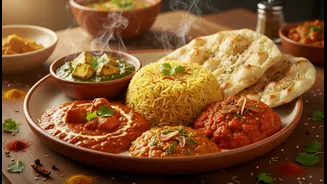
This growing appetite for food-led travel is unlocking the incredible diversity of India's culinary landscape. Travellers are designing itineraries to experience the grand Wazwan feast in Kashmir, with its rich gravies like Rogan Josh and creamy Gushtaba. Others are heading to Kerala, not just for the backwaters, but for the experience of a traditional Sadhya served on a banana leaf and the fiery seafood curries shaped by the ancient spice trade. In the west, tourists explore Ahmedabad's bustling streets for vegetarian delights like Dhokla and Fafda-Jalebi, or delve into the robust, fiery flavours of a Kathiyawadi thali. Meanwhile, cities like Delhi, Mumbai, and Kolkata have become legendary for their street food trails, where every lane offers a new discovery, from Delhi's chole bhature to Mumbai's vada pav.
The Social Media Effect
A key driver of this trend is the rise of social media. Platforms like Instagram and a legion of food vloggers have turned regional dishes into visually irresistible stars. A well-shot video of a sizzling kebab, a perfectly layered biryani, or a colourful thali can inspire wanderlust more effectively than any travel brochure. This digital word-of-mouth has brought national attention to previously hidden culinary gems, from the street vendors of Amritsar to the home kitchens of rural India. Studies show that social media significantly influences the food choices of tourists, creating a feedback loop where online content drives travel, and travel generates more content. This has empowered a new generation of travellers, especially those aged 22-27, to turn digital inspiration into real-world travel plans.
More Than Just a Meal
Ultimately, the rise of culinary tourism is about more than just food; it's a deeper form of cultural exploration. Engaging with a region's cuisine involves participating in cooking workshops, exploring local markets, and hearing the stories behind treasured family recipes. It connects travellers to the history, geography, and traditions of a place in a way that simply visiting a monument cannot. Food becomes a gateway to understanding a community's way of life. This trend not only enriches the travel experience but also provides a vital economic boost to local communities, from farmers and artisans to small-scale food entrepreneurs. It's a sustainable model that celebrates and preserves India's rich cultural and culinary heritage.