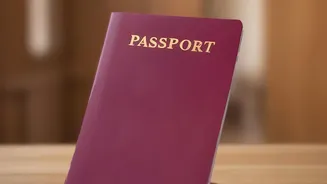







The Core Four: Application, Passport, and Photos
Start with the absolute basics. First, the visa application form must be filled out completely and accurately, with no conflicting information. Second, your passport must be valid for at least three months beyond your intended departure date from the Schengen
area, have been issued within the last 10 years, and contain at least two blank pages. It is also wise to include copies of any old passports to show your travel history. Third, you will need two identical, recent photographs. These must be 35x45mm against a plain, light-coloured background, showing your face with a neutral expression. Do not smile, and ensure there are no shadows or glare. Most rejections in this category are due to photos not meeting the strict specifications, so it's worth getting them done professionally.
Proving Your Purpose: Itinerary and Bookings
Consular officers need to understand your travel plans clearly. Provide a detailed day-by-day itinerary that logically explains your trip. This must be supported by proof of transportation and accommodation. For flights, a confirmed reservation itinerary is sufficient; you are not required to purchase tickets before visa approval. For accommodation, provide booking confirmations for every single night of your stay. These could be from hotels, hostels, or a tour operator. Many hotels offer 'pay later' or free cancellation options, which are ideal for visa applications as they minimise financial risk. If staying with friends or family, you must provide a formal invitation letter from your host, often one that needs to be approved by local officials in their country.
The Financial Picture: Proving Your Stability
This is one of the most common areas for visa refusal. You must demonstrate that you can fund your entire trip. This involves submitting your last three to six months of personal bank statements, which should ideally be stamped by the bank. What matters most is not just the closing balance but the consistency of funds. A steady history of salary credits is far more convincing than a single large, unexplained deposit made right before applying. Supplement your bank statements with your Income Tax Returns (ITR) for the last two to three years and your last three months' salary slips if you are employed.
Intent to Return: Your Ties to India
The consulate needs assurance that you will leave the Schengen area before your visa expires. You prove this by demonstrating strong economic and social ties to India. For employed individuals, the most crucial document is a No-Objection Certificate (NOC) from your employer on company letterhead. This letter should state your position, salary, start date, and, most importantly, confirm that your leave is approved and that you are expected to return to your job. For self-employed applicants, business registration documents, GST certificates, and company bank statements serve this purpose. Other supporting documents can include property ownership papers or evidence of family dependents in India.
The Safety Net: Mandatory Travel Insurance
Travel medical insurance is a non-negotiable requirement. Your policy must provide minimum coverage of €30,000 for medical emergencies, hospitalisation, and repatriation. A common mistake is getting a policy with insufficient coverage or one that doesn't explicitly mention repatriation. Ensure your insurance is valid for the entire duration of your stay and across all 29 Schengen countries, not just the ones on your itinerary. The insurance dates must perfectly match your travel dates.
Final Assembly: Organising Your File
Once you have all your documents, organisation is key. Do not staple any documents; use paper clips instead. Arrange the papers in the order specified by the VFS checklist for the country you are applying to. It's helpful to write a clear cover letter that summarises your travel purpose, introduces your itinerary, and lists the enclosed documents. This acts as a table of contents for the visa officer. Submit both originals and a complete set of photocopies as required. A neat, logically ordered file makes the verification process smoother and presents your application in the best possible light.