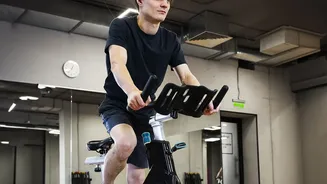








What Exactly Is Zone-2 Cardio?
Forget the 'no pain, no gain' mentality. Zone-2 training is all about moderate, steady-state effort. It’s often called the “conversational pace” because you should be able to hold a conversation without gasping for breath. This level of intensity typically
corresponds to 60-70% of your maximum heart rate. Think of it as a brisk walk, a light jog, or a steady bike ride where you feel you're working, but could comfortably maintain the pace for an extended period, like 30 to 60 minutes. Unlike high-intensity interval training (HIIT), which involves short, all-out bursts of effort, Zone 2 is gentle, sustainable, and surprisingly effective.
The Science of 'Low and Slow' Fat Burn
The magic of Zone-2 lies in how it teaches your body to use fuel. During high-intensity exercise, your body primarily burns readily available carbohydrates (glycogen) for quick energy. In Zone 2, however, your body has plenty of oxygen and learns to tap into its largest energy reserve: stored fat. Regular training in this zone makes your body more efficient at fat oxidation. It also improves the health and density of your mitochondria, the tiny powerhouses inside your cells responsible for generating energy. Over time, more efficient mitochondria mean better endurance, more stable energy levels throughout the day, and a metabolism that’s better at using fat for fuel even when you’re not exercising.
Why It's Perfect for Desk Workers
For those leading a sedentary lifestyle, jumping into punishing HIIT workouts can lead to exhaustion, soreness, and a higher risk of injury, making it hard to stay consistent. Zone-2 cardio is the ideal antidote. Because it’s less taxing on your body, recovery is much faster, meaning you can do it more frequently without feeling drained for your workday. This consistency is crucial for building a solid aerobic base and seeing long-term results. Furthermore, this type of exercise has been shown to improve mental wellbeing, sharpen focus, and reduce stress—all significant benefits for anyone navigating the pressures of a desk job. It’s a workout that energises you rather than depleting you.
Finding Your Personal Zone-2
You don't need a fancy lab to find your Zone-2 heart rate. The simplest method is the 'talk test': you should be able to speak in full sentences but not be able to sing. For a more precise measurement, you can estimate your maximum heart rate (MHR) by subtracting your age from 220. Your Zone-2 range will be 60-70% of that number. For example, a 40-year-old has an estimated MHR of 180 (220 - 40). Their Zone-2 range would be between 108 and 126 beats per minute (180 x 0.60 and 180 x 0.70). A heart rate monitor can help, but simply paying attention to how your body feels is a great starting point.
How to Get Started Today
Incorporating Zone-2 cardio into your routine is simple and accessible. You don't need a special gym membership or equipment. The goal is to accumulate at least 150 minutes of moderate-intensity activity per week. Start with two or three sessions of 30-45 minutes. Some great options include: Brisk walking or incline walking on a treadmill. Steady cycling on a stationary bike or outdoors on flat terrain. Light jogging at a pace where you can easily chat. Swimming consistent laps at a comfortable speed. Even taking walking meetings or using a walking pad during the workday can contribute to your Zone-2 goals. The key is finding an activity you enjoy and can stick with consistently.