






The glass of water you drink has a hidden journey. It flows not just through pipes, but through the rivers, lakes, and wetlands in and around our cities. These natural systems are our first, and best, line of defense for clean water.
Nature's Unseen Water Purifiers
Urban water ecosystems
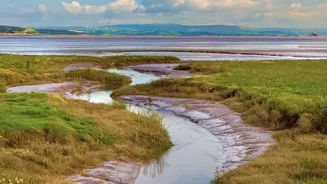
are the network of natural water bodies—like rivers, lakes, wetlands, and groundwater aquifers—that exist within a city's landscape. Often overlooked, these ecosystems function as large-scale, living water treatment plants. Wetlands, for example, are frequently called 'nature's kidneys' for their incredible ability to filter water. As water flows through them, the pace slows, allowing sediments and pollutants to settle and become trapped by plant roots and soil. Microorganisms living in these environments then get to work, breaking down harmful substances, including organic waste and chemicals, into less dangerous forms. This natural purification process removes contaminants, absorbs excess nutrients like nitrogen and phosphorus that can cause toxic algal blooms, and recharges groundwater supplies—all at no cost.
The Urban Assault on Water Bodies
Despite their critical importance, these ecosystems are under constant threat from rapid and often unplanned urbanisation. In many Indian cities, lakes and riverbanks are encroached upon for construction, shrinking their size and capacity. Rivers and wetlands are frequently used as convenient dumping grounds for untreated sewage and industrial effluents. It's estimated that a massive portion of sewage generated in Indian cities flows directly into the environment without adequate treatment, poisoning the very water bodies millions depend on. Furthermore, the relentless spread of concrete and asphalt creates 'impervious surfaces'. Rainwater, instead of seeping into the ground to be filtered naturally and replenish aquifers, washes over these surfaces, collecting pollutants like oil, heavy metals, and trash before dumping them directly into rivers and lakes.
When Natural Systems Fail
The consequences of destroying these natural buffers are severe and directly impact our water supply. When wetlands are filled and rivers are choked with waste, their ability to filter pollutants disappears. This places an enormous burden on man-made water treatment plants. Municipalities are forced to use more chemicals and energy-intensive processes to make the water safe for consumption, driving up operational costs that are often passed on to consumers. In many cases, the contamination is so severe that it leads to the spread of waterborne diseases like cholera, typhoid, and dysentery, posing a significant public health crisis. The death of a river's ecosystem, marked by fish kills and the absence of life, is a clear warning that the water source is dangerously degraded.
The True Cost of Neglect
The cost of neglecting our urban water ecosystems extends beyond higher utility bills. It's measured in public health crises, ecological collapse, and a growing scarcity of usable water. Reports have identified hundreds of polluted river stretches across India, primarily due to the dumping of untreated sewage, rendering vast quantities of surface water unfit for use. This contamination also seeps into the ground, poisoning aquifers that are a primary source of drinking water for millions who rely on wells and borewells. The health impact is staggering, with millions of Indians suffering from waterborne illnesses annually. This cycle of pollution and disease not only causes immense suffering but also hampers economic development, as communities and governments bear the heavy financial burden of healthcare and remediation.
A Path Towards Restoration
Protecting and restoring urban water ecosystems is not just an environmental issue; it is a fundamental requirement for water security. The solution involves a two-pronged approach: halting the pollution at its source and actively reviving degraded ecosystems. This means investing in comprehensive sewage treatment infrastructure to ensure no untreated wastewater enters our rivers and lakes. It also means adopting policies that protect water bodies from encroachment and promote 'nature-based solutions' like creating treatment wetlands and restoring riverside vegetation (riparian buffers). Citizen involvement is crucial, from local cleanup drives to advocating for stronger environmental regulations. By viewing our urban lakes and rivers as essential infrastructure, not as wastelands, we can begin to secure a future with clean, reliable drinking water for all.