






Beyond the Red Cylinder
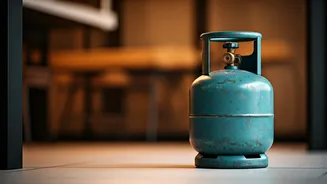
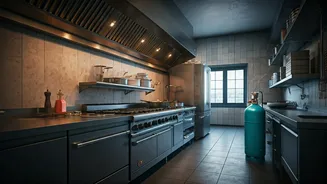
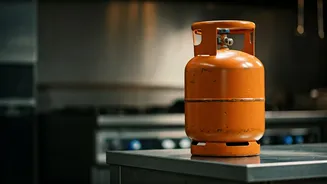
For decades, the image of a commercial kitchen in India has been tied to the ubiquitous, heavy red steel cylinder of LPG. But a new player is changing the game: the composite or Fibre-Reinforced Plastic (FRP) cylinder. These modern alternatives are significantly
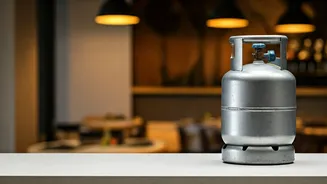
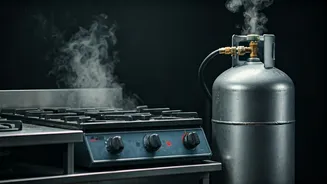
lighter than their steel counterparts, often weighing about half as much. Manufacturers like Superindia Composites, Supreme, and others are introducing these advanced cylinders, which are designed to be durable, rust-proof, and corrosion-resistant. This makes them not only easier to handle for kitchen staff but also cleaner, as they don’t leave rust stains on floors. Available in various sizes, including 5kg, 10kg, and larger capacities, they offer more flexibility for different scales of business, from a small food cart to a large hotel.
A Clear View of Safety and Supply
Perhaps the most significant innovation of composite cylinders is their safety profile. Many are marketed as 100% explosion-proof, designed to withstand fire without the risk of a blast. This is a crucial upgrade in the high-temperature environment of a commercial kitchen. Furthermore, many of these cylinders are translucent. This simple but brilliant feature allows chefs and managers to see the liquid gas level inside, eliminating the guesswork of figuring out when a cylinder will run empty. It helps businesses plan refills more effectively, preventing the nightmare scenario of running out of gas mid-service—a critical concern for any restaurant or caterer. This visibility helps manage inventory and reduces reliance on the unpredictable 'black market' for cylinders that some businesses have had to turn to during shortages.
The Constant Pressure of Price
While new cylinder technology offers benefits, the food industry remains acutely sensitive to the fluctuating price of commercial LPG. Unlike domestic LPG, whose price is often cushioned by the government to protect household budgets, commercial LPG prices are more exposed to market forces and global crude oil prices. Recent months have seen sharp increases in the cost of 19kg commercial cylinders, putting immense pressure on restaurants, hotels, and caterers. Industry associations have warned that these hikes in operational costs directly threaten profitability and may force businesses to pass the expense on to consumers through higher menu prices. For many small food vendors, absorbing such a steep rise is nearly impossible, challenging their very survival.
Government Policy and Market Impact
The government's strategy often involves shielding the vast majority of domestic users from price shocks while allowing costs to be passed on to the smaller commercial segment. This creates a volatile environment for food businesses. However, there have also been policy moves to ensure better supply for commercial entities. Recent reforms have aimed to allocate a more significant portion of LPG supplies specifically for commercial use to create a more reliable and structured distribution system. The goal is to reduce supply inconsistencies and curb illegal diversions, which have historically plagued small businesses. By formalizing the supply chain, the government hopes to create a more predictable environment where businesses can scale their operations without constant fear of fuel shortages.
Will Your Next Meal Cost More?
Ultimately, the question for consumers is whether these changes will affect the price of their favourite meals. The answer is complex. On one hand, sharp increases in the price of commercial gas give restaurants a strong reason to raise their menu prices. Many owners feel they have no choice but to pass on the increased operational costs to stay in business. On the other hand, the introduction of more efficient, safer, and varied cylinder options could lead to long-term benefits. Lighter cylinders are easier to transport and handle, potentially reducing labour costs. The ability to visually check fuel levels prevents wastage and allows for better planning. While the immediate pressure of price hikes is a major concern, the technological evolution in commercial LPG holds the promise of a more efficient and safer future for India’s vibrant food industry.