







The Science of a Monsoon Appetite
There’s a reason you instinctively reach for different foods when it rains. The drop in temperature and increased humidity can affect our bodies in subtle ways. According to Ayurvedic principles, the monsoon season is a time when our digestive fire, or 'agni',
is naturally weaker. This makes it harder for our system to break down heavy, oily, and cold foods. The damp weather can also aggravate the 'Vata' dosha, leading to issues like bloating and indigestion. Consequently, the body craves meals that are warm, well-cooked, and easy to digest. This isn’t just ancient wisdom; modern nutritionists often echo this advice, recommending lighter meals during periods of lower physical activity and metabolic shifts, which are common when we’re cooped up indoors avoiding the downpour.
Warmth Beyond the Frying Pan
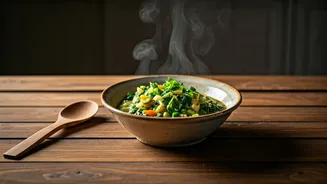
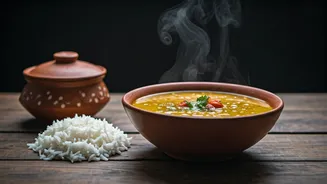
When we think 'warm' monsoon food, our minds often jump to deep-fried snacks. While there’s an undeniable joy in a plate of hot bhajis with chai, the current trend is about embracing warmth in healthier, more nourishing forms. Think of gently spiced soups that warm you from the inside out. A classic tomato or sweet corn soup, fortified with ginger and black pepper, not only provides comfort but also helps boost immunity. Brothy preparations like a clear vegetable soup, a flavourful rasam, or a light dal are perfect. These dishes provide hydration and essential nutrients without taxing the digestive system. The warmth helps soothe the body and counter the damp chill of the season, making it a functional and feel-good choice.
The Logic of Eating Light
‘Light’ is the second pillar of this evolving monsoon diet. This means steering clear of rich, creamy curries and favouring preparations that are simple and nourishing. Ingredients like moong dal, millets (like foxtail or barnyard), and seasonal gourds (lauki, turai) become stars of the kitchen. These are inherently light on the stomach and provide sustained energy. Steamed or lightly stir-fried vegetables retain more nutrients and are easier to digest than raw salads, which are often avoided during this season due to a higher risk of water-borne contaminants. The focus is on clean flavours, minimal oil, and digestive aids like turmeric, cumin, ginger, and asafoetida (hing), which are staples in Indian cooking for good reason. It’s about feeling energised and comfortable, not sluggish and weighed down.
The Unstoppable Rise of the Bowl
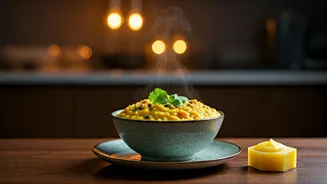
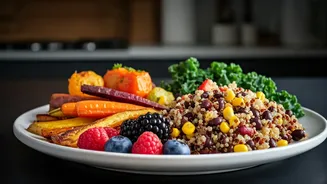
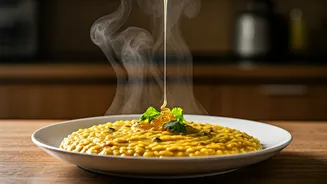
Perhaps the most modern twist on monsoon eating is the 'bowl-led' phenomenon. A meal in a bowl is inherently comforting—it’s easy to hold, feels like a warm hug, and neatly contains a complete meal. This format perfectly marries the principles of warm and light eating. It’s a versatile canvas for everything from a soupy thukpa or a wholesome khichdi to a contemporary Buddha bowl. Khichdi, the ultimate comfort food, is being reinvented with different grains like quinoa or broken wheat and topped with sautéed vegetables and a dollop of ghee. Noodle bowls in a fragrant broth, loaded with mushrooms, greens, and tofu, offer a complete, satisfying meal that’s both delicious and aligns with the need for warm, soupy foods. This trend allows for creativity while keeping the meal balanced and easy to handle.
How to Build Your Perfect Monsoon Bowl
Creating your own nourishing monsoon bowl is simple. Start with a base of easily digestible grains like fluffy red rice, quinoa, or millets. Next, add a layer of protein—think cooked lentils, chickpeas, or cubes of lightly sautéed paneer or tofu. Then, load up on cooked seasonal vegetables. Steamed carrots, beans, blanched spinach, and roasted pumpkin are all excellent choices. Finally, bring it all together with a warm, flavourful element. This could be a light coconut-based curry, a tangy rasam poured over the top, or even just a simple tempering ('tadka') of ghee, mustard seeds, and curry leaves. Garnish with fresh coriander, a squeeze of lime, and a pinch of roasted spices for a meal that is a feast for the senses.