





The Personal Go-Bag: Immediate Essentials
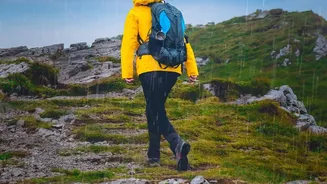
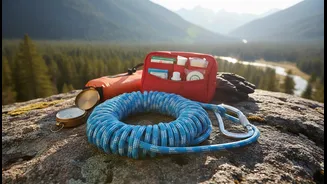
This is your most critical kit, a small, waterproof bag that stays with you at all times. Start with a comprehensive first-aid kit containing essentials like bandages, antiseptic cream, pain relievers, and any personal prescription medications. Given
the rise of mosquito-borne illnesses during the monsoon, a strong insect repellent is non-negotiable. Also include a small torch with extra batteries, a whistle to signal for help, and some cash in small denominations, as power outages can render ATMs and digital payments useless. Finally, place copies of important documents like your Aadhaar card, driver's license, and hotel bookings in a sealed, waterproof pouch.
Power and Communication: Staying Connected
In a storm, communication is safety. Your smartphone is your link to weather updates, maps, and emergency services, but it's useless with a dead battery. Pack at least one fully charged high-capacity power bank. Store your phone, chargers, and the power bank itself in waterproof pouches or dry bags to protect them from moisture. While mobile networks are generally reliable, they can fail during severe weather. For added security, especially in remote areas, consider packing a small, battery-powered radio to listen for official broadcasts and news updates.
Health and Hygiene First
Heavy rains increase the risk of water contamination. Always drink bottled or purified water. It's wise to carry your own water purification tablets or a bottle with a built-in filter. Avoid street food, especially uncooked items, to prevent stomach ailments. Pack hand sanitiser, wet wipes, and antiseptic liquids to maintain hygiene, which is crucial for preventing fungal infections common in damp conditions. A quick-drying microfibre towel is also far more practical than a standard cotton one, which can take days to dry in high humidity.
Vehicle Preparedness: A Car's Safety Net
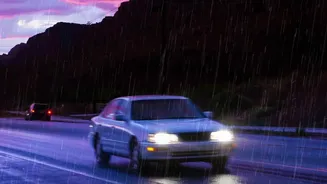
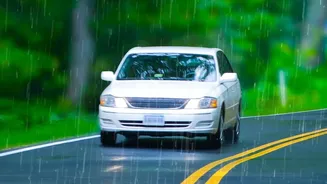
If you are driving, your vehicle is both your transport and a potential shelter. Before you leave, give your car a thorough check-up, paying attention to tyres, brakes, and wipers. Your in-car emergency kit should include a tow rope, jumper cables, a basic toolkit, and a tyre inflator. Also pack a high-visibility jacket and a reflective warning triangle for breakdowns. Roads can be slippery and visibility poor, so drive slowly and avoid travelling at night if possible. It is also a good idea to keep a window hammer and seatbelt cutter in an accessible place like the glove compartment.
Food and Navigation: Fuel and Direction
Travel delays are common during heavy rains. Pack a supply of non-perishable, high-energy snacks like granola bars, nuts, and biscuits. These can be a lifesaver if you find yourself stranded between destinations. When it comes to navigation, don't rely solely on GPS or mobile maps. Network connectivity can be patchy or non-existent in a downpour, and apps may not be updated with information about flooded or blocked roads. Carry physical, state-level road maps as a reliable backup.