






The Two-Ingredient Foundation
At its heart, a classic lemon glaze is a simple combination of powdered sugar (also known as confectioners' or icing sugar) and fresh lemon juice. The magic is in the ratio. Start with about one cup of powdered sugar in a medium bowl. To ensure a silky-smooth,
lump-free glaze, it’s a good idea to sift the sugar first. Then, begin by adding two tablespoons of fresh lemon juice and whisking vigorously. Always use fresh juice if you can; its flavour is brighter and cleaner than bottled varieties, which can sometimes have a tinny taste. This initial mixture will likely be quite thick and pasty, but that’s the perfect starting point for adjustments.
Mastering the Consistency
The ideal thickness of your glaze depends entirely on its purpose. A thick, opaque glaze is perfect for coating a pound cake, while a thinner, more translucent drizzle is better for scones or muffins. After creating your initial thick paste, you can thin it by adding more lemon juice, one teaspoon at a time, until you reach the desired consistency. For a thick drizzle that holds its shape, you're looking for a texture where a 'ribbon' from the whisk holds its shape for a second or two before melting back into the glaze. If you accidentally make it too thin, don't worry. You can easily thicken it by whisking in more powdered sugar. It's a forgiving process that is almost impossible to mess up.
The Power of Zest
While lemon juice provides the signature tartness and acidity, lemon zest provides the aromatic, fragrant punch. The peel contains concentrated citrus oils that can perfume your glaze, making it taste even more lemony without adding extra liquid. Zesting the lemon before you juice it is the easiest way to ensure you have it on hand. Stir in about a teaspoon of finely grated zest to add a more complex lemon flavour and beautiful, tiny flecks of yellow. While some prefer a perfectly smooth glaze, adding zest is the secret to a truly intense citrus experience.
Troubleshooting and Creative Twists
Even simple recipes can have their challenges. If your glaze seems too sweet, a tiny pinch of salt can work wonders to balance the flavours and enhance the tartness. For a richer, less intensely sweet glaze, try adding a tablespoon of melted butter or replacing some of the lemon juice with milk or cream. These additions create a creamier texture. For even more flavour, a tiny splash of vanilla extract can add depth. If you want a more intense tartness without thinning the glaze further, some bakers even turn to a pinch of citric acid powder.
Application is Key
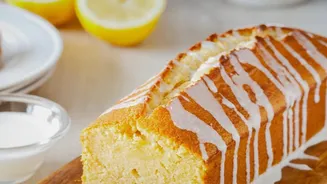
When you apply the glaze can make a big difference. For most uses, like drizzling over cakes, cookies, or scones, it's best to let the baked good cool completely to room temperature. Applying glaze to a warm surface will cause it to melt and soak in rather than forming a distinct layer on top. However, for some bundt cakes, a warm application helps the glaze flow evenly into all the crevices. For precise drizzling, you can pour the glaze into a piping bag and snip off a tiny corner. Once applied, the glaze will firm up as it dries, creating a slightly crisp shell, though it won't harden like royal icing.