






A New Home for the King
For decades, Barda was identified as a potential alternative habitat for Asiatic lions to reduce pressure on the Gir landscape. That vision is now a reality. After an absence of nearly 144 years, lions have naturally returned to Barda, a milestone celebrated
by conservationists. The re-establishment began with the natural arrival of a male lion in 2023, followed by the strategic introduction of several females by the Gujarat Forest Department. As of 2025, a small but growing population, including cubs, calls these hills home, marking Barda as a vital satellite population for the long-term survival of the species.
Exploring the Permitted Trails
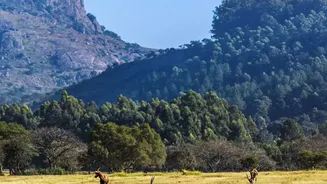
While Barda is a protected conservation area, it offers opportunities for visitors to experience its wilderness through regulated safaris and trails. In 2024, the Barda Jungle Safari was launched, providing a structured way to explore the sanctuary in authorised vehicles with trained guides. These safaris follow designated routes that wind through the varied terrain of dry deciduous forests, rocky outcrops, and bamboo groves. Trekking is also possible in specific permitted zones. These trails offer a chance to appreciate the landscape's rich floral diversity and perhaps spot wildlife from a safe distance. Visitors should always adhere to the guide’s instructions and stay on the marked paths to minimise disturbance to the ecosystem.
Booking Your Visit and Permits
A visit to Barda requires advance planning as entry is regulated. A forest permit is mandatory to enter the sanctuary. For the jungle safari, bookings are essential and are currently handled by the Forest Department. While an online booking system is expected, visitors currently need to call to check for available slots and complete the process. The total cost for a safari trip typically includes a permit fee, a guide fee, and a vehicle charge, which covers a group of up to six people. It's crucial to confirm all costs and the reporting gate, currently the Kapurdi checkpoint, when you book, as procedures for this new tourism initiative can evolve.
Beyond the Lions: Flora and Fauna
Barda’s ecological richness extends far beyond its famous new residents. The sanctuary boasts an incredible floral diversity, with around 650 plant species, including many medicinal herbs. The landscape, which includes two rivers and the Khambala and Fodara dams, supports a varied ecosystem. Wildlife enthusiasts can look for leopards, striped hyenas, jackals, and herbivores like nilgai and wild boar. The sanctuary is also a haven for birdwatchers, with over 200 species recorded, including peafowls, partridges, and crested hawk-eagles. This rich biodiversity makes every trip into the wilderness a unique experience.
Know Before You Go
The best time to visit Barda Wildlife Sanctuary is during the winter months, from November to February, when the weather is cool and pleasant for safaris and trekking. The sanctuary is closed to visitors during the monsoon season, typically from mid-June to mid-October. Barda is located about 15-20 km from Porbandar, which has the nearest airport and railway station. From Porbandar, you can hire a taxi to reach the sanctuary's entry point. Remember, Barda is a developing eco-tourism site, and its quiet, less-crowded atmosphere is a key part of its charm. Respecting wildlife and following all sanctuary rules is paramount for a safe and responsible visit.