





The Great Dehydration Myth
It seems counterintuitive, but your skin can become dehydrated even when the air is thick with moisture. When it's humid, the body sweats more to cool down. If you're not replenishing those lost fluids by drinking enough water, your skin can become dehydrated from
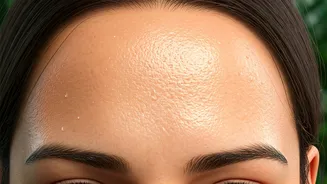
the inside out. Furthermore, we often blast air-conditioning to combat the heat, which strips moisture from the air and, consequently, from our skin. This can lead to a strange combination of a greasy yet tight-feeling complexion, as dehydrated skin sometimes overproduces oil to compensate for the lack of water.
An Open Invitation for Breakouts
High humidity can be a major trigger for acne. The moisture in the air stimulates the sebaceous glands to produce more oil (sebum). This excess oil, combined with sweat and environmental pollutants, creates a perfect storm for clogging pores. Warm, moist environments are also an ideal breeding ground for bacteria and fungi. This can lead not only to common acne breakouts but also to fungal acne and other skin infections like folliculitis (infected hair follicles).
Your Skin's Protective Barrier Under Stress
Your skin has a natural protective barrier, known as the stratum corneum, which keeps moisture in and irritants out. While an optimal humidity level (around 40-60%) is great for this barrier, very high humidity (above 70%) can cause problems. The excess moisture can essentially cause the skin cells to swell, disrupting the organized structure of the lipids that hold the barrier together. A weakened barrier becomes less effective at its job, making your skin more susceptible to irritation, sensitivity, and redness from allergens and pollutants.
Flare-Ups for Chronic Conditions
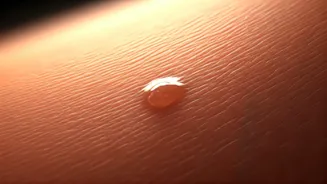
For those with pre-existing skin conditions, humid weather can mean more frequent and intense flare-ups. The combination of sweat, heat, and a compromised skin barrier can worsen conditions like eczema and rosacea. The trapped sweat can also lead to prickly heat, an itchy rash of tiny red bumps caused by blocked sweat glands. Furthermore, the growth of allergens like mold in humid environments can trigger allergic reactions on the skin.
How to Adapt Your Skincare Routine
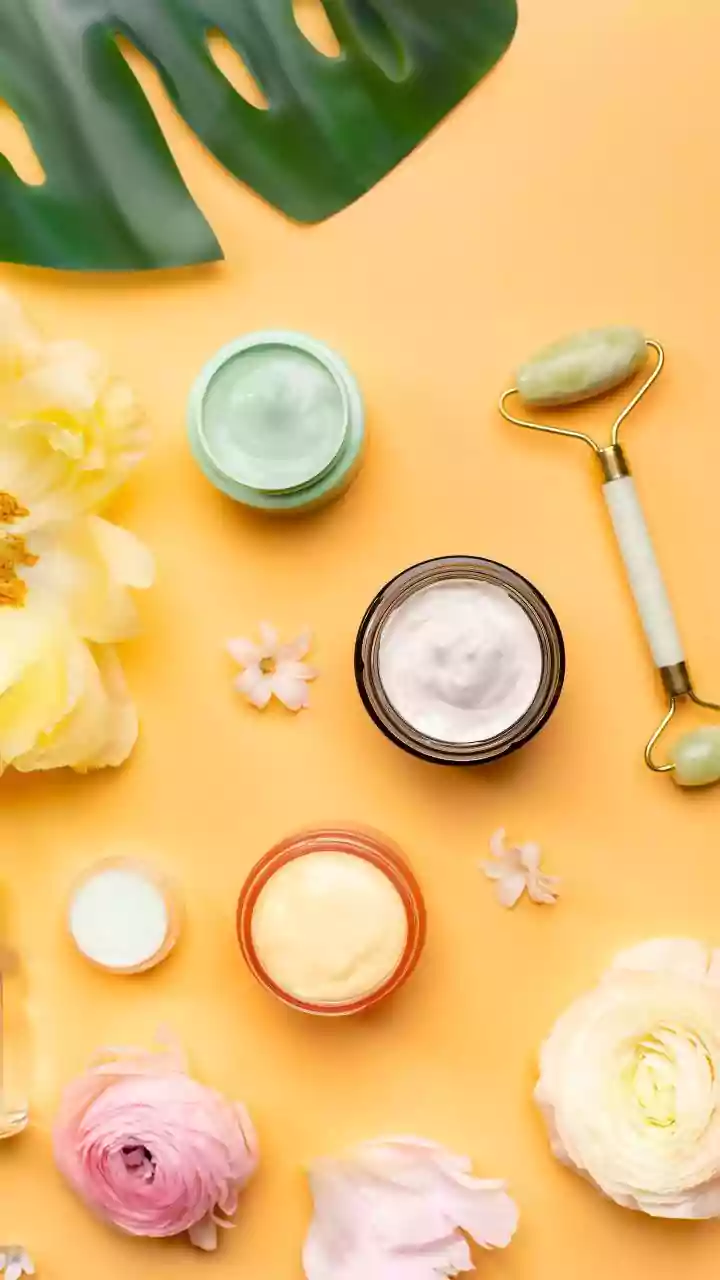
Managing your skin in high humidity is about finding balance. Start by switching to a lightweight, water-based or gel moisturiser that hydrates without feeling heavy or clogging pores. A gentle cleanser is crucial for removing excess oil and sweat, but avoid over-washing, which can strip the skin and worsen dehydration. Incorporating exfoliation once or twice a week with ingredients like alpha-hydroxy acids (AHAs) can help clear away dead skin cells and prevent clogged pores. Look for non-comedogenic products, which are specifically formulated not to block pores, and never skip sunscreen—opt for a lightweight, oil-free formula.