





The 7 PM question, 'What's for dinner?', can feel like a daily test of a relationship's strength. For busy working couples, the answer is often takeout or a frantic, late-night cooking session. But there is a better way: batch cooking.
Plan Your Menu Together
The first step to
successful batch cooking is communication. Before you even make a grocery list, sit down together for 15-20 minutes over the weekend. Create a 'database' of meals you both enjoy and that hold up well when made ahead. This isn't about rigid, boring schedules; it's about eliminating daily decision fatigue. Decide on a few core recipes for the week—perhaps two to four dishes that can be mixed and matched. A simple plan could be a hearty dal, a versatile chicken or tofu dish, and a large batch of roasted vegetables. Write this plan down on a whiteboard or in a shared notes app. This simple act creates a shared goal and prevents the classic 'I don't know, what do you want to eat?' standoff.
Cook Components, Not Just Meals
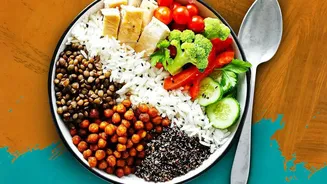
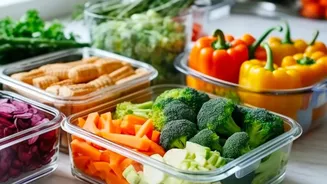
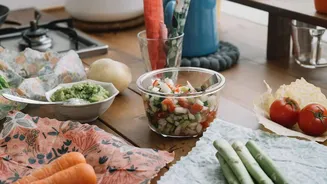
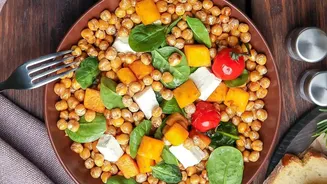
One of the biggest mistakes couples make is trying to cook five completely different meals on a Sunday. A more efficient strategy is to prep ingredients and components that can be assembled in different ways throughout the week. Think of it as creating your own personal salad bar or grain bowl station. Cook a large batch of a neutral grain like quinoa or brown rice. Roast a big tray of mixed vegetables—broccoli, carrots, and capsicum work well. Grill or bake a versatile protein like chicken breast or paneer. You can even pre-chop onions and tomatoes and make a base masala that cuts down nightly cooking time significantly. This 'buffet-style' approach allows for flexibility; one person can have a chicken salad for lunch while the other has a quinoa bowl with the same ingredients.
The Art of Portioning for Two
Once everything is cooked, portion it out immediately to avoid the temptation to overeat later. This is where you can customize for individual needs. Even if you eat the same meals, you may have different portion requirements based on your activity levels or health goals. One partner might get a larger serving of protein, while the other gets more vegetables. A digital kitchen scale is a fantastic tool for accuracy, but you can also use measuring cups or even your hand as a guide. A general rule is to fill half your container with vegetables, a quarter with lean protein, and a quarter with grains or complex carbs. Using individual, single-serving containers makes lunches grab-and-go and removes any guesswork during a busy morning.
Store Safely to Keep Food Fresh
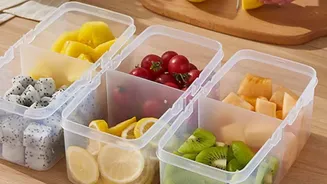
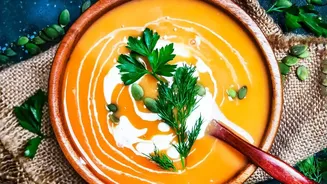
Proper storage is crucial for both food safety and taste. The most important rule is to cool cooked food as quickly as possible before refrigerating—never leave it on the counter for more than two hours. To speed up cooling, divide large batches of food like soups or curries into smaller, shallow containers. Invest in a good set of clear, airtight containers so you can easily see what’s inside. Label everything with the name of the dish and the date it was made. According to the USDA, most cooked leftovers are safe to eat within 3 to 4 days when stored in the fridge. For any meals planned for later in the week (day five and beyond), the freezer is your best friend.
Beat Meal Prep Boredom
Eating the same meal for four days straight is a quick way to kill your enthusiasm for batch cooking. The key to variety lies in the finishing touches. Keep a collection of sauces, chutneys, and dressings on hand to change the flavour profile of a meal instantly. That grilled chicken can go into a wrap with mint chutney on Tuesday and top a salad with a lemon vinaigrette on Wednesday. Fresh herbs, a squeeze of lime, or a sprinkle of toasted nuts added just before serving can make a pre-cooked meal feel fresh and exciting. Another strategy is to do a small mid-week refresh prep, like boiling some eggs or making a fresh salad, to supplement your main batches. This breaks up the monotony and ensures you look forward to your preplanned meals.