







Monitor Official Weather Alerts
Before you even think about packing, your first step should be to check the latest weather forecasts. The India Meteorological Department (IMD) is the primary source for official information. As of October 15, the IMD has forecast heavy to very heavy rainfall
for states including Kerala, Tamil Nadu, and coastal Karnataka. Orange and yellow alerts have been issued for several districts, indicating the potential for significant downpours and recommending that residents and travellers remain vigilant. You can find real-time updates on the IMD's official website, its social media channels, and through its mobile apps. Also, monitor alerts from State Disaster Management Authorities (SDMA) for localised, district-specific advice.
Confirm Your Flight and Train Bookings
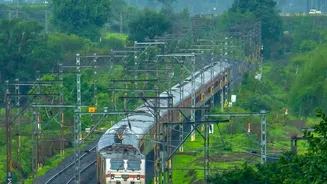
Heavy rain and poor visibility frequently lead to flight and train disruptions. Airports in major southern cities like Chennai, Bengaluru, and Hyderabad often experience delays, diversions, or cancellations during severe weather. Airlines are required to provide updates, so keep a close eye on your flight status via the airline’s app or website. Similarly, Indian Railways may cancel, divert, or reschedule trains due to waterlogging on tracks or as a precautionary measure. Before heading to the airport or railway station, double-check that your service is operating as scheduled. Use the National Train Enquiry System (NTES) for the most current information on train movements.
Plan for Safer Road Travel
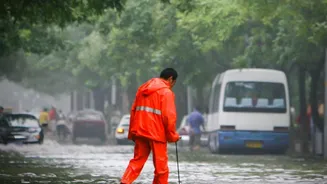
If you are travelling by car or bus, exercise extreme caution. Heavy rains increase the risk of waterlogged roads, flash floods, and landslides, particularly in hilly and coastal areas. Authorities often advise against non-essential travel in regions under a red or orange alert. Never attempt to drive through flooded roads, as the depth of the water and the condition of the road underneath are often unknown. Even a few inches of moving water can be enough to sweep a vehicle away. Plan your route in advance, check for road closures on local traffic police websites, and consider postponing your journey if conditions are severe. If you must travel, stick to major highways, inform someone of your route and estimated arrival time, and have a backup plan.
Pack a Monsoon Emergency Kit
Your packing list for monsoon travel should go beyond just a raincoat and umbrella. Prepare a compact, waterproof emergency kit with essentials. This should include a powerful torch with extra batteries, a fully charged power bank for your mobile phone, and a basic first-aid kit with antiseptic, bandages, and any personal medications. It's also wise to carry some non-perishable snacks and a bottle of clean drinking water, in case you are stranded for an extended period. Keep important documents like your ID, tickets, and hotel confirmations in a waterproof bag. Having these items readily accessible can make a significant difference in a challenging situation.
Stay Informed and Connected
Once your journey begins, staying informed is critical. Download weather and news apps that provide push notifications for your location. The National Disaster Management Authority's (NDMA) 'SACHET' app is designed to provide alerts for disasters. Listen to local radio stations for on-the-ground updates. If you are in a hotel, ask the staff about local conditions and any advisories. Ensure your phone is always charged when possible, and conserve battery by closing unnecessary apps. Keep a list of emergency contact numbers, including local police (100), fire (101), ambulance (102), and the National Emergency Response number (112), saved on your phone and also written down.